
Heat-Resistant and Hydraulic Hoses for Steel Plants: Selection Guide for Extreme Conditions
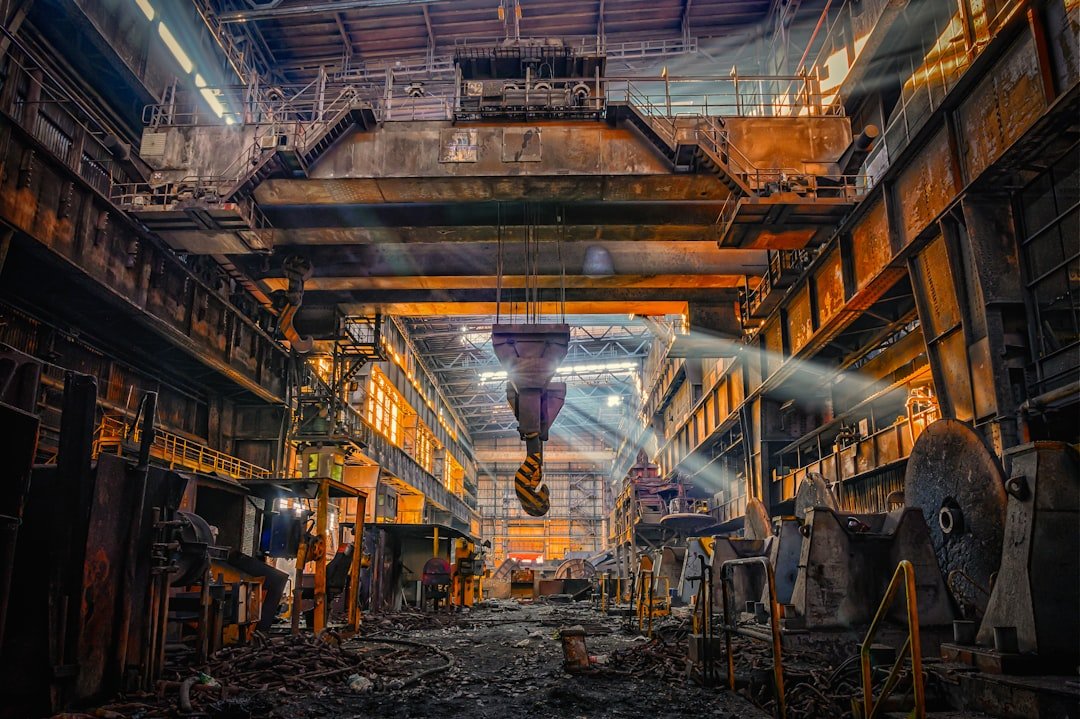
Photo by Peter Herrmann on Unsplash
No industrial environment punishes rubber hoses like a steel plant. Radiant heat from furnaces and ladles, sparks and molten metal splatter, hydraulic circuits cycling thousands of times a day on rolling mills, oxygen and fuel gas lines, water-cooled equipment and descaling systems at extreme pressure — every one of these duties can destroy an ordinary hose in weeks. Selecting steel plant hoses correctly is therefore a safety exercise as much as a maintenance one, because a burst hydraulic hose or a failed gas hose near hot metal can cause fires and serious injuries, not just downtime.
This guide explains how heat, impulse loading and harsh handling affect hose life in steel making, and how maintenance engineers in integrated plants, mini mills, rolling mills and re-rolling units across India should select steel plant hoses for each zone. It covers heat-resistant and carbon-free hoses for hot areas, hydraulic hose construction for mill circuits, and the inspection discipline that keeps flexible connections safe near molten metal.
What Are Steel Plant Hoses?
Steel plant hoses are the flexible hoses used across iron and steel making — from coke ovens, blast furnaces and electric arc furnaces to casters, reheating furnaces, rolling mills and finishing lines. They carry hydraulic oil, cooling water, compressed air, oxygen, fuel gases, lubricants and grease between fixed services and equipment that moves, tilts, vibrates or sits close to intense heat. Because duties vary so widely, no single hose type covers a steel plant; instead, a family of constructions is matched zone by zone.
The defining challenge is temperature. Rubber compounds age rapidly above their rated limits, and near furnaces the radiant heat alone can exceed what a standard cover tolerates, even when the fluid inside is cool. Steel plants therefore rely on several specialised constructions:
- Heat-resistant rubber hoses — EPDM-based covers and tubes for hot water, hot air and elevated ambient zones.
- Carbon-free hoses — non-conductive hoses used around electric arc furnaces and induction furnaces where electrical isolation is essential.
- High-pressure hydraulic hoses — braided and spiral wire hoses for mill stands, coilers, shears and tilting mechanisms.
- Steam hoses — for process steam, cleaning and heating duties.
- Water and air hoses — for cooling circuits, granulation, dust suppression and pneumatic tools.
Heat: The Main Enemy of Hoses in Steel Making
Heat attacks hoses in three ways. First, hot fluids inside the hose — hot water, thermic fluid, steam — age the tube from within, hardening it until it cracks. Second, radiant and ambient heat from furnaces, ladles and hot slabs ages the cover from outside; a hose rated for its internal fluid can still fail because its cover cooked. Third, direct contact with sparks, scale and molten splatter burns through covers locally, exposing reinforcement. Selection must therefore consider the complete thermal picture at each location, not just the fluid temperature.
Practical protections include specifying EPDM or other high-temperature compounds for hot zones, adding silicone-coated fibreglass sleeves over hoses near radiant sources, routing hoses behind heat shields and away from spark paths, and shortening inspection intervals in the hottest areas. Our detailed guide to heat resistant rubber hose pipes explains compound choices and temperature limits, and the comparison of EPDM vs nitrile vs silicone rubber hose helps match material to each duty.
Carbon-Free Hoses Around Electric Furnaces
Electric arc and induction furnaces create a specific hazard: water-cooled cables, panels and lances operate in areas of high electrical potential, and a conductive hose can create a dangerous path to earth. Carbon-free hoses are built with non-conducting compounds so that cooling water connections around the furnace remain electrically isolated. They are standard equipment on induction furnace coolant circuits in Indian mini mills and foundries. Beyond electrical isolation, these hoses must still tolerate hot water, radiant heat and mechanical abuse, so cover quality matters as much as the non-conductive property itself. Our article on what carbon free hose is and where it is used covers construction and application detail for these critical circuits.
Hydraulic Hoses for Rolling Mills and Heavy Machinery
Steel plants are among the largest consumers of hydraulic hose in Indian industry. Mill stands, automatic gauge control, coilers, downcoilers, shears, ladle tilters, furnace tilting cylinders, continuous caster mould oscillators and mobile equipment all run on hydraulics, often at high pressures with severe impulse loading.
Braided vs spiral construction
Single and double wire braid hoses cover pilot lines, return lines and medium-pressure services. But circuits with frequent, sharp pressure cycles — gauge control, shears, tilting cylinders — fatigue braided hose quickly. Four and six wire spiral hoses are built for exactly this impulse duty and last far longer in such circuits. The trade-offs are explained in our comparison of high impulse spiral hydraulic hose and braided hose, which is essential reading before standardising mill hydraulic specifications.
Failure prevention in mill service
Most hydraulic hose failures in steel plants follow familiar patterns: covers cooked by radiant heat, hoses rubbed through against structures, wrong bend radii at cylinder connections, and old hoses left in service because they had not yet leaked. Fire risk makes this more serious than in other industries — atomised hydraulic oil from a pinhole leak can ignite on hot surfaces. Reviewing the patterns in our article on common causes of hydraulic hose failure and building them into inspection checklists prevents the majority of incidents. Fire-resistant fluid circuits, where used, also require hose tube compatibility checks with water-glycol or ester fluids.
Steam, Water and Utility Hoses Across the Plant
Steam is used for cleaning, heating and process duties across steel works, and steam hose is unforgiving of wrong selection — superheated or wet steam beyond a hose’s rating degrades the tube rapidly and failures are violent. Dedicated steam hoses with EPDM tubes and correct fittings are mandatory; general-purpose hose must never be substituted. Cooling water circuits, slag granulation, dust suppression and descaling supply lines need robust water hoses with covers that shrug off abrasion from scale and rough floors, while compressed air serves tools and instrumentation throughout the plant.
For safety benchmarks, Indian plants can draw on national and international guidance. The UK Health and Safety Executive (HSE) publishes practical guidance on pressure systems and hose management that translates directly to steel plant maintenance practice, complementing requirements under the Indian Factories Act and IS standards for individual hose types.
Building a Hose Management Programme for a Steel Plant
Given the consequences of failure, leading plants manage hoses as engineered assets rather than consumables. A workable programme includes zone-wise hose registers recording specification, installation date and inspection history; fixed replacement ages for hoses in hot and safety-critical zones regardless of visual condition; heat sleeves and shields specified at installation, not added after failures; correct storage of spares away from heat, sunlight and ozone; and training for fitters on bend radius, torque and routing. Plants that adopt this discipline typically cut hose-related breakdowns dramatically within a year, and the stores savings from standardisation often pay for the programme by themselves.
Choose Steel Plant Hoses from Mangla Rubber Industries
Mangla Rubber Industries manufactures the hose range steel plants rely on — heat-resistant hoses for hot zones, carbon-free hoses for electric furnace cooling circuits, high-pressure hydraulic hoses for mill duties and steam hoses for process services. Every hose is built with compounds and reinforcement selected for severe Indian operating conditions.
We supply integrated steel plants, mini mills, re-rolling units and foundries across India, and we can help your maintenance team standardise specifications zone by zone. For technical guidance or bulk requirements, contact Mangla Rubber Industries.
Conclusion
Selecting steel plant hoses means engineering for heat first and pressure second. Use heat-resistant compounds and protective sleeves in hot zones, carbon-free hoses around electric furnaces, spiral hydraulic hose on impulse-heavy mill circuits and dedicated steam hose for steam — never substitutes. Combine correct selection with zone-wise registers, fixed replacement ages and trained installation, and flexible connections stop being a source of fires, burns and breakdowns in one of industry’s most demanding environments.
Frequently Asked Questions
Why do hose covers fail near furnaces even when the fluid inside is cool?
Radiant heat ages the outer cover independently of the fluid temperature. The rubber hardens, cracks and eventually exposes the reinforcement. Heat-resistant covers and silicone-fibreglass sleeves are the standard protection in radiant zones.
What is a carbon-free hose and why do induction furnaces need it?
A carbon-free hose is made with non-conductive rubber compounds so it does not carry electrical current. It is used on cooling water connections around induction and arc furnaces to maintain electrical isolation and prevent dangerous earth paths.
Should rolling mills use spiral or braided hydraulic hose?
Circuits with frequent sharp pressure impulses — gauge control, shears, tilters — should use four or six wire spiral hose, which resists impulse fatigue far better. Braided hose remains suitable for return, pilot and steady medium-pressure lines.
How often should hoses in hot zones be replaced?
Best practice is a fixed replacement age based on zone severity rather than waiting for visible damage, because heat-aged hoses can fail without warning. Many plants replace hot-zone hoses every one to two years alongside condition-based inspection.
Can hydraulic oil from a leaking hose really cause a fire?
Yes. Oil escaping a pinhole leak under pressure atomises into a fine mist that ignites readily on hot surfaces. This is why cover condition, routing away from hot metal and prompt replacement of damaged hoses are treated as fire-safety measures in steel plants.