How to Select Sewer Jetting and Drain Cleaning Hoses for Municipal and Contractor Use
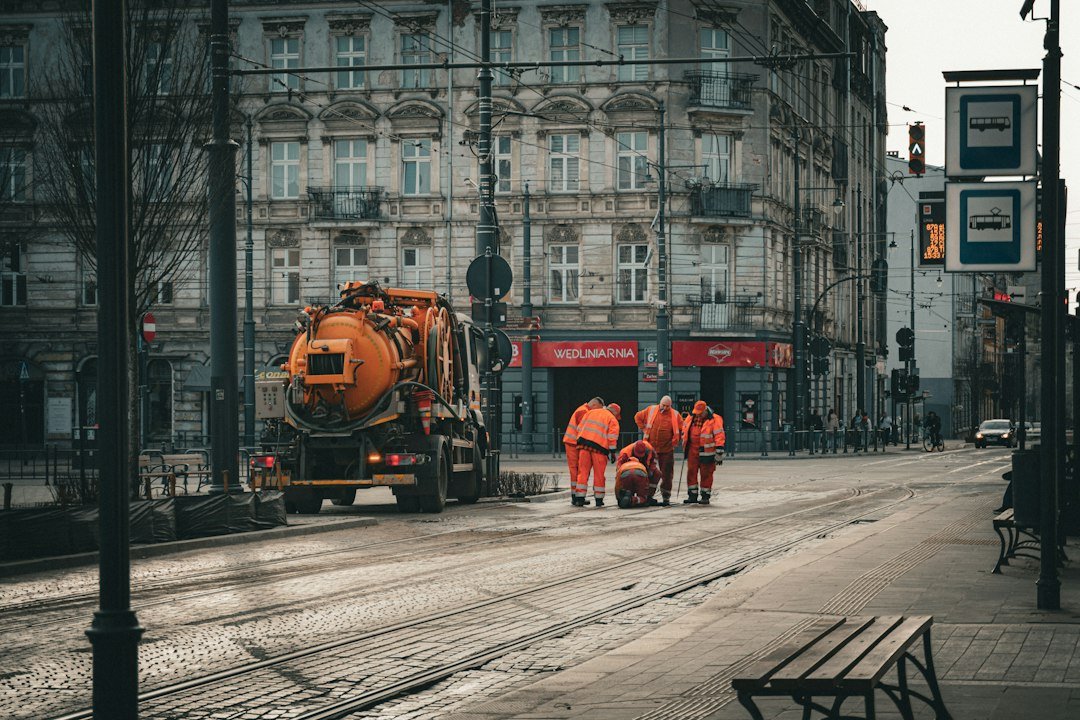
Photo by Filip Chmielecki on Unsplash
Blocked sewers and choked storm drains are a daily problem for municipal corporations, Jal Boards, housing societies and drain cleaning contractors across India. Mechanised cleaning with jetting machines and combination suction-jetting trucks has replaced manual entry in most cities, and the performance of these machines depends on one component more than any other: the hose that carries high pressure water to the nozzle. A sewer jetting hose must hold pressures of 150 to 250 bar, drag over concrete manhole edges, and survive being pulled through hundreds of metres of pipe filled with grit and debris.
Selecting the wrong hose leads to burst failures, frequent replacement and machine downtime during the monsoon, when drain cleaning demand is at its peak. This guide explains how a sewer jetting hose is built, which pressure and bore combinations suit different machines, and what municipal engineers and contractors should check before ordering.
What Is a Sewer Jetting Hose?
A sewer jetting hose is a high pressure water hose designed to be fed into a drain or sewer line with a jetting nozzle fitted at the end. The nozzle has rear-facing jets that propel the hose forward and scour the pipe wall, and often a forward jet to break up blockages. Water is supplied by a high pressure pump on a truck, trailer or portable unit at flow rates from around 30 to over 300 litres per minute.
Unlike a hydraulic hose, a jetting hose is a moving, consumable item. It is wound on and off a reel many times a day, dragged over manhole rims and pipe joints, and exposed to sewage, sand, oil and sunlight. Its construction reflects these conditions:
- Tube — a smooth synthetic rubber or thermoplastic (polyurethane or nylon) inner layer that resists water, mild chemicals and hydrolysis
- Reinforcement — one or two layers of high tensile synthetic textile braid for pressures up to about 200 bar, or steel wire braid for higher pressure and larger bores
- Cover — an abrasion resistant rubber or polyurethane outer layer, usually in a bright colour so the hose is visible in the drain and on site
- End fittings — crimped or swaged couplings with a male thread (commonly 1/2 inch, 3/4 inch or 1 inch BSP or NPT) matching the nozzle and reel
Because the duty is high pressure water transfer rather than hydraulic oil, the hose is closer to the air, water and petroleum family than to SAE hydraulic grades. Our overview of air, water and petroleum hose applications explains this broader product group.
Pressure and Flow: Matching the Hose to the Machine
Every jetting machine is specified by two numbers: maximum pump pressure and flow rate. Pressure breaks up the blockage and pulls the hose forward; flow carries the debris back to the manhole. The hose must be rated above the pump pressure with a safety margin, and its bore must be large enough that pressure loss along its length does not starve the nozzle.
Working Pressure
Typical Indian municipal jetting machines run at 100 to 200 bar, with some high pressure units reaching 250 bar or more. The hose working pressure should be at least equal to the pump’s maximum relief valve setting, and the burst pressure should be at least 2.5 to 3 times the working pressure. The working pressure printed on the cover is the figure that matters for daily use.
Bore Size and Pressure Drop
A long, small bore hose loses a large share of pump pressure to friction before the water reaches the nozzle. As a general guide:
- 1/4 inch and 3/8 inch — small drain and household lines, portable jetters, up to about 60 litres per minute
- 1/2 inch — the common size for 100 to 150 mm sewer laterals and mid-sized trailer jetters, typically 60 to 120 litres per minute
- 3/4 inch — municipal trunk lines and combination trucks, 120 to 250 litres per minute
- 1 inch — large diameter mains and high flow trucks, above 250 litres per minute
Hose lengths of 60 to 120 metres are standard on Indian jetting trucks. If you need a refresher on pressure ratings and construction for other high pressure water and hydraulic hoses, see our guide to why the choice of high pressure hose matters.
Rubber vs Thermoplastic Jetting Hose
Rubber Jetting Hose
A rubber hose with textile or wire braid reinforcement is heavier and less flexible than thermoplastic hose, but it has a thicker cover, better resistance to crushing under vehicle wheels and higher resistance to heat when hot water jetting is used for grease removal. It is the usual choice for 3/4 inch and 1 inch municipal trucks.
Thermoplastic Jetting Hose
Polyurethane or nylon covered thermoplastic hose is lighter, has a smaller outside diameter for the same bore and slides more easily around bends in small pipes. It is preferred for 1/4 inch to 1/2 inch drain cleaning where the hose has to navigate traps and tight bends, but it kinks if wound loosely on the reel.
Abrasion, Kinking and Other Failure Modes
Jetting hoses rarely fail from pressure alone. Most are retired early because of mechanical damage.
- Cover abrasion — the hose drags over the manhole edge on every pull; use a manhole roller guide or tiger tail sleeve, and specify a heavy duty abrasion resistant cover
- Kinking — occurs when the hose is wound loosely or pushed rather than pulled; a kink crushes the reinforcement and creates a weak point that bursts under pressure
- Fitting pull-out — undersized or poorly crimped couplings let go when the nozzle snags; fittings must be crimped to the hose manufacturer’s specification, not field-clamped
- Chemical attack — sewage contains oils, detergents and hydrogen sulphide; nitrile-based tubes and polyurethane covers resist these better than natural rubber
- Sunlight and ozone — hose stored on an open reel on a truck roof degrades faster; covered reels or a UV resistant cover extend life
The same inspection habits that apply to hydraulic lines apply here. Our article on the selection, safety and maintenance of high pressure hydraulic hose describes the visual checks that reveal cover cracking, exposed reinforcement and damage near fittings.
Safety and Regulatory Context in India
The move from manual to mechanised sewer cleaning is now a legal and policy requirement. Manual entry into sewers and septic tanks without protective equipment is prohibited. The Ministry of Housing and Urban Affairs sets out guidelines for mechanised cleaning under Swachh Bharat Mission Urban and related schemes.
For the operator, the hose is a safety item. A jetting hose whipping free at 200 bar can cause severe injury, so operators should keep clear of the manhole while the pump is engaged and replace any hose showing damage.
Checklist for Municipal and Contractor Buyers
Before placing an order or writing a tender specification, confirm the following points with the machine manufacturer and the hose supplier:
- Pump pressure and flow — maximum relief valve setting and rated flow at that pressure
- Hose working pressure — equal to or above the pump maximum, with burst pressure at least 2.5 times working pressure
- Bore and length — sized to the pipe diameters cleaned and the reel capacity, with pressure drop checked over the full length
- Construction — rubber or thermoplastic, textile or wire braid, based on pipe size and abrasion exposure
- Fittings — thread type and size matching the reel swivel and the nozzle, factory crimped
- Temperature — hot water jetting units need a hose rated for at least 80°C
Contractors who also run pressure washing equipment can standardise on a common supplier and fitting range. Our guide to choosing high pressure washer and car wash hoses covers the lighter duty end of the same product range.
Choose Sewer Jetting and Drain Cleaning Hoses from Mangla Rubber Industries
Mangla Rubber Industries manufactures high pressure water and high pressure wire braided hoses suitable for jetting, drain cleaning and pressure washing duty, supplied in cut lengths or as complete assemblies with crimped fittings. We supply jetting machine builders, municipal corporations, contractors and dealers across India.
Share your pump pressure, flow rate, hose length and fitting details, and our technical team will recommend a suitable construction and quote promptly. To discuss a tender specification or bulk supply, contact Mangla Rubber Industries.
Conclusion
A sewer jetting hose is a consumable that works harder than almost any other hose on a municipal fleet. Match its working pressure to the pump, size the bore for the flow and pipe diameter, choose rubber or thermoplastic construction according to the pipes you clean, and protect the cover from abrasion at the manhole. Bought and handled this way, a jetting hose delivers a full season of reliable service rather than failing in the middle of the monsoon.
Frequently Asked Questions
What pressure rating should a sewer jetting hose have?
The working pressure must be at least equal to the maximum pressure of the jetting pump, which on most Indian municipal machines is between 100 and 250 bar. Burst pressure should be at least 2.5 to 3 times the working pressure.
Which bore size is used on municipal jetting trucks in India?
Most combination suction-jetting trucks use 3/4 inch hose for trunk sewers and 1/2 inch for laterals and smaller drains. Portable and trailer jetters commonly use 3/8 inch or 1/2 inch hose.
Is rubber or thermoplastic hose better for drain cleaning?
Thermoplastic hose is lighter and navigates small, bent pipes more easily, so it suits 1/4 inch to 1/2 inch drain cleaning. Rubber hose has a thicker, more crush and abrasion resistant cover and suits larger municipal sewer work.
Why does a jetting hose burst near the fitting?
The area near the coupling suffers the most bending and abrasion as the hose passes over the manhole edge, and a poorly crimped fitting concentrates stress at the same point. Use factory crimped couplings and a manhole roller guide.
How long does a sewer jetting hose last?
Service life depends on pressure, pipe condition and handling more than on calendar time. With a manhole guide, tight winding on the reel and covered storage, a quality hose typically lasts a full season or more; without them it may fail within weeks.