
Choosing High Pressure Washer and Car Wash Hoses: Pressure, Temperature and Durability
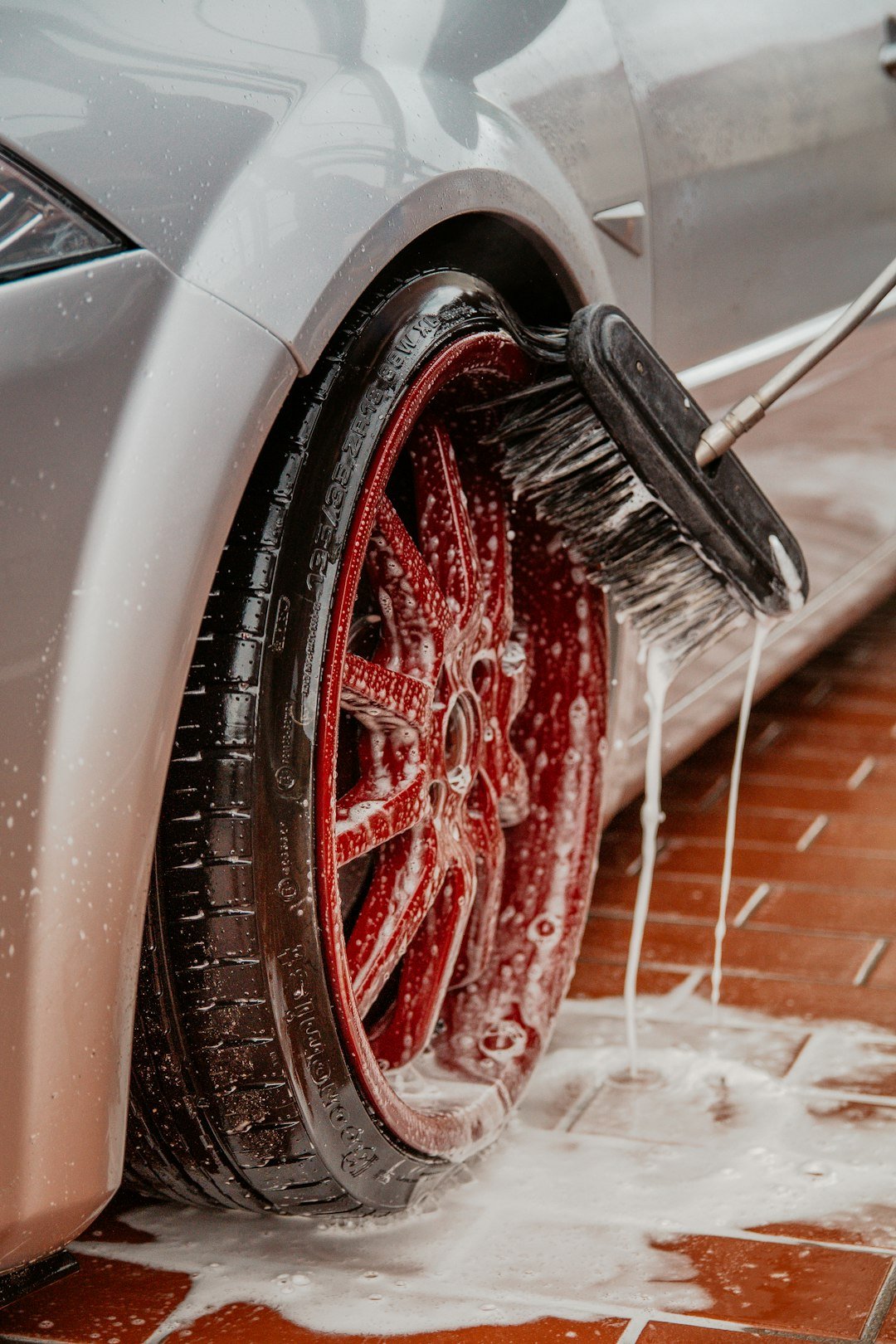
Photo by Adrian Dascal on Unsplash
Car wash centres, two-wheeler service points, fleet depots and industrial cleaning contractors in India run pressure washers for hours every day. The pump and motor usually get the attention, but the component that fails most often is the hose between the pump and the spray gun. A pressure washer hose that is under-rated for the pump, softens with hot water or cracks after a few months in the sun brings the whole operation to a stop.
This guide explains what a pressure washer hose is made of, how to match pressure, temperature and bore to the machine, and which construction features decide whether a hose lasts three months or three years in a busy Indian car wash.
What Is a Pressure Washer Hose?
A pressure washer hose is a flexible, reinforced hose that carries high pressure water from a pump outlet to a trigger gun or lance. Domestic and light commercial washers operate at around 100 to 150 bar; professional car wash and industrial cleaning machines run at 150 to 250 bar, and some hot water units and heavy industrial washers go higher. The hose must carry this pressure continuously while being dragged across wet concrete, driven over, coiled and uncoiled many times a shift.
Most professional hoses share a three-layer construction:
- Tube — a smooth synthetic rubber (usually nitrile based) or thermoplastic inner layer that carries the water and resists detergents, wax and mild degreasers
- Reinforcement — one or two layers of high tensile steel wire braid on rubber hoses, or textile braid on lighter thermoplastic hoses, which provide the pressure holding capacity
- Cover — an abrasion, ozone and weather resistant rubber or polyurethane outer layer, often with a non-marking compound for car wash use
The wire braided rubber construction is essentially the same as a mid or high pressure hydraulic hose, but with a tube compounded for water rather than oil. Our overview of why the choice of high pressure hose matters explains the general principles that apply across these products.
Pressure Rating: Matching the Hose to the Pump
The single most important specification is working pressure. It must be equal to or higher than the maximum pressure the pump can deliver when the trigger is released and the unloader valve operates, which is usually a little above the rated spray pressure.
Working Pressure and Burst Pressure
Hose manufacturers print the working pressure on the cover. A single wire braid hose typically carries 150 to 250 bar in the common 1/4 inch and 5/16 inch sizes, and a two wire braid hose 250 to 400 bar. Burst pressure should be at least 2.5 to 4 times working pressure, giving a margin for pressure spikes when the trigger snaps shut.
Common Indian Machine Categories
- Domestic and small workshop washers — 100 to 150 bar, 6 to 9 litres per minute, usually a 1/4 inch textile or single wire hose
- Car wash and bike wash centres — 150 to 200 bar, 10 to 15 litres per minute, single wire braided 1/4 inch or 5/16 inch hose in 10 to 20 metre lengths
- Fleet, bus depot and industrial cleaning — 200 to 350 bar, 15 to 25 litres per minute, two wire braided 3/8 inch hose
For an explanation of how single and two wire braid constructions differ, read our comparison of SAE 100 R1 and R2 hydraulic hose, since pressure washer hoses follow the same reinforcement logic.
Temperature: Cold Water, Hot Water and Steam
Many car wash operators start with a cold water machine and later add a hot water or steam unit for degreasing engines and chassis. The hose that worked on the cold machine is often not suitable for the hot one.
- Cold water — a standard rubber or thermoplastic hose rated to around 60°C to 70°C is sufficient
- Hot water washers — water at 80°C to 100°C softens ordinary tube compounds; specify a hose rated to at least 100°C, and preferably 120°C or 150°C for continuous hot duty
- Steam cleaners — wet steam at 150°C or more requires a dedicated steam hose with an EPDM tube and cover; a hot water hose will fail quickly
Ambient conditions matter too. A hose lying on a concrete forecourt in a North Indian summer can reach cover temperatures above 60°C before any hot water passes through it, which accelerates ageing. Our article on heat resistant rubber hose pipes covers compound selection for higher temperatures.
Bore Size, Length and Pressure Drop
A pressure washer hose is deliberately small in bore. A smaller bore keeps the hose light and flexible, and because flow rates are low, the pressure loss is manageable over normal lengths. Problems arise when operators extend hoses beyond 20 or 30 metres to reach the far end of a bus or a car park.
Pressure drop rises with hose length and falls with bore size. A 1/4 inch hose on a 15 litre per minute machine may lose a noticeable share of pump pressure over 30 metres, reducing cleaning effect at the nozzle. If long runs are unavoidable, step up to 5/16 inch or 3/8 inch bore rather than joining several short hoses with couplers, each of which is a potential leak point.
Durability Features That Matter in a Car Wash
Beyond pressure and temperature, a few construction details separate a hose that survives daily commercial use from one that does not.
Cover and Abrasion Resistance
The hose is dragged over concrete, gravel and kerb edges hundreds of times a day. A thick, abrasion resistant rubber cover outlasts a thin thermoplastic one. For car wash use, a non-marking cover avoids black scuff marks on paintwork and light floors.
Ozone, UV and Weather Resistance
Open air car wash bays expose the hose to sunlight and ozone. Rubber compounds with ozone resistant additives and carbon black loading resist surface cracking, which is the usual first sign of ageing on a cheap hose. See our guide on why quality rubber hoses resist degradation in direct sunlight for more on this.
Fittings and Swivels
Most Indian car wash machines use M22 threaded couplings or quick connect fittings at the pump and gun ends. Fittings should be factory crimped, not clamped, and a swivel at the gun end reduces the twisting that leads to kinks. Kinking is the most common cause of premature failure, because a kink crushes the wire braid and creates a weak spot that bursts later.
Chemical Compatibility
Foam shampoos, alkaline traffic film removers and solvent based degreasers all pass through the hose. Nitrile based tubes handle the common detergents and light oils; for strong alkaline or acid cleaners used in industrial washing, confirm compatibility with the hose supplier before use.
Safety and Handling Practices
A hose failure at 200 bar can cause injection injuries, and a burst near the gun can strike the operator. Inspect hoses at the start of each shift for cover cuts, bulges, exposed wire and leaks at the crimps, and replace rather than repair a damaged hose. Coil the hose loosely on a reel or hook when not in use, keep vehicles from driving over it, and never run the pump with the trigger closed for long periods, as the unloader cycling raises hose temperature and fatigue.
The UK Health and Safety Executive publishes practical guidance on high pressure water jetting safety that applies equally to Indian car wash and industrial cleaning operators.
Choose Pressure Washer and Car Wash Hoses from Mangla Rubber Industries
Mangla Rubber Industries manufactures single and two wire braided mid pressure hoses and high pressure hoses suitable for pressure washers, car wash centres, fleet depots and industrial cleaning equipment, supplied in cut lengths or as complete assemblies with crimped fittings. We serve washer manufacturers, dealers, service centres and contractors across India from our Delhi region facility.
Tell us your machine’s pressure, flow, water temperature and fitting type, and our technical team will recommend the right bore, reinforcement and cover. To request a quote or discuss bulk supply, contact Mangla Rubber Industries.
Conclusion
A pressure washer hose should be selected on three numbers first: the pump’s maximum pressure, the water temperature and the length of run. After that, cover quality, ozone resistance, crimped fittings and careful handling decide how long it lasts. A hose that is correctly rated and looked after costs more per metre than the cheapest option but far less per month of service, which is the figure that matters to a busy car wash or cleaning contractor.
Frequently Asked Questions
What pressure rating do I need for a car wash hose?
The hose working pressure must be at least equal to the maximum pressure of the pump, usually 150 to 200 bar for commercial car wash machines in India. A single wire braided hose rated at 200 to 250 bar suits most of them.
Can I use a cold water pressure washer hose on a hot water machine?
Not unless it is rated for the water temperature. Standard hoses are rated to around 60°C to 70°C, while hot water washers need a hose rated to 100°C or more. Using the wrong hose leads to tube softening and early burst.
Why does my pressure washer hose keep kinking?
Kinking is usually caused by twisting during use without a swivel fitting, or by coiling the hose tightly in the wrong direction. Fit a swivel at the gun end, store the hose on a reel and avoid pulling it around sharp corners.
Which bore size is best for a pressure washer hose?
1/4 inch suits most machines up to about 10 litres per minute and 20 metres of hose. Move to 5/16 inch or 3/8 inch for higher flow machines or longer runs to limit pressure loss at the nozzle.
How often should a car wash hose be replaced?
Replace it as soon as the cover shows cuts exposing the braid, bulges, or leaks at the fittings, regardless of age. In continuous commercial use, a good quality wire braided hose typically lasts one to three years depending on handling and sun exposure.