
Hoses for Cement Plants: Handling Abrasion, Dust, Pneumatic Conveying and Heavy Hydraulics
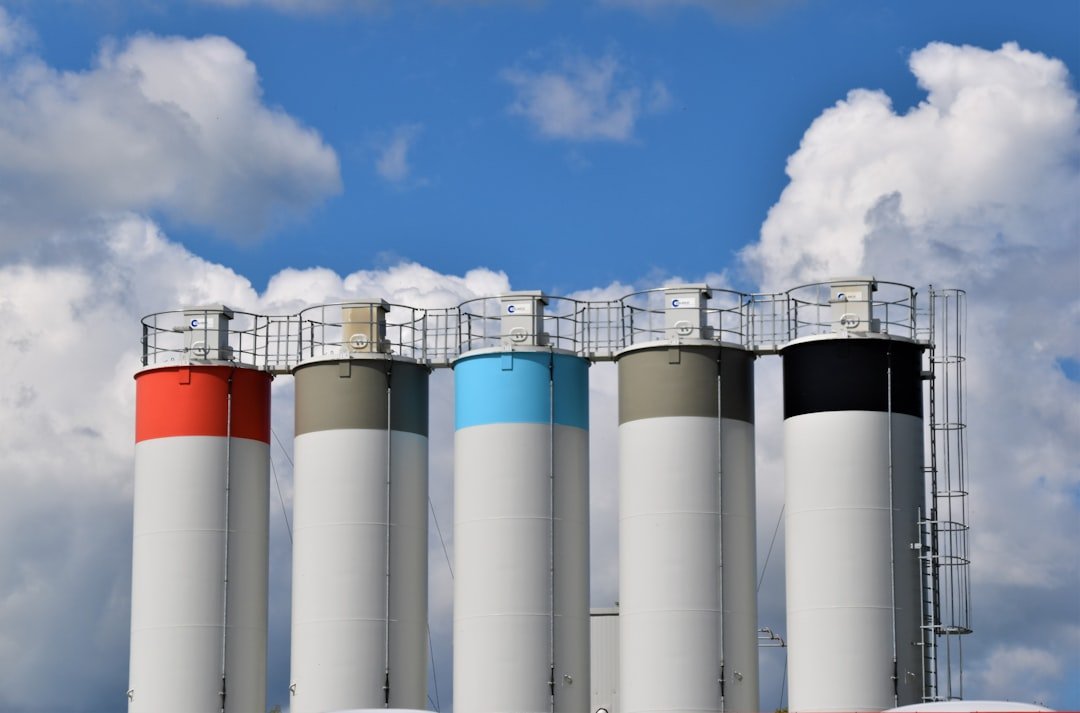
Photo by Waldemar Brandt on Unsplash
A cement plant is one of the hardest environments any rubber product will ever work in. Abrasive raw meal, clinker dust, limestone slurry, compressed air at every stage of the process and heavy hydraulics on kilns, crushers and packers all place constant stress on flexible connections. Choosing the right cement plant hoses is therefore not a small purchasing decision — the wrong hose in a pneumatic conveying line or a hydraulic circuit can shut down a section of the plant, and unplanned kiln or mill stoppages are among the most expensive failures in the industry.
This guide explains which hose types Indian cement plants actually need, how abrasion and dust attack rubber and where hydraulic and pneumatic hoses fit into the process from quarry to packing. It is written for maintenance engineers, stores teams and contractors who buy cement plant hoses across India.
What Are Cement Plant Hoses?
Cement plant hoses are the flexible rubber and thermoplastic hoses used throughout a cement works to move air, dust-laden material, water, fuel and hydraulic oil between fixed pipework and moving or vibrating equipment. They include abrasion-resistant material handling hoses on pneumatic conveying and dust extraction systems, compressed air hoses at bag filters and air cannons, water hoses for cooling and gas conditioning, and hydraulic hoses on crushers, stackers, reclaimers, roller presses and packing machines.
What separates a cement-duty hose from a general industrial hose is the service environment. Cement raw materials and clinker are highly abrasive, ambient dust settles on every outer cover, surface temperatures near the kiln and clinker cooler are high, and much of the equipment vibrates continuously. The main hose families used are:
- Material handling hoses — thick, abrasion-resistant rubber linings for conveying raw meal, cement and fly ash.
- Pneumatic hoses — for compressed air to bag filter pulse valves, air cannons, blasters and hand tools.
- Hydraulic hoses — wire braided and spiral hoses on crushers, roller presses, kiln drives and mobile equipment.
- Water and slurry hoses — for gas conditioning towers, cooling circuits and washdown.
- Fuel and oil hoses — for diesel, furnace oil and lubrication systems.
Why Abrasion and Dust Destroy Ordinary Hoses
Abrasion attacks a cement plant hose from both sides. Internally, conveyed material such as raw meal, clinker dust and fly ash scours the hose lining, thinning it until the reinforcement is exposed and the hose fails. Externally, hoses dragged across concrete, rubbed against structures or buried in settled dust lose their covers, letting moisture reach the wire reinforcement and start corrosion. For material handling duties, an abrasion-resistant natural rubber lining with generous wall thickness is the standard answer.
Dust also causes indirect failures. Fine cement dust mixed with moisture forms a hard crust on hose covers and fittings, hiding cracks and leaks from inspection. Good practice in cement plants is to route hoses off the floor wherever possible, use covers or sleeves in the dustiest zones and clean hose runs during scheduled filter maintenance. Mining and quarrying operations face the same problem, which is why the lessons in our guide on high pressure rubber hose for mining fluid transfer apply directly to cement quarries and crusher sections.
Pneumatic Conveying and Compressed Air Duties
Compressed air is everywhere in a cement plant — fluidising air slides, pulsing bag filters, firing air cannons on preheater buildup, powering packers and driving maintenance tools. Each duty needs a hose matched to its pressure, temperature and abrasion load. General workshop air points need flexible, kink-resistant pneumatic hose that survives being dragged through dust. Our article on how pneumatic hose pipe is used for compressed air and gas transfer covers the construction details that matter for these duties.
For dense and lean phase conveying of cement and fly ash, hose selection is dominated by the lining. Points to specify include:
- Lining material — abrasion-resistant natural rubber compound for powder conveying; check compatibility if hot clinker dust is involved.
- Wall construction — thick lining with textile or wire reinforcement; wire helix where suction or vacuum recovery is used.
- Static dissipation — antistatic lining or embedded copper wire, since fine powder flow generates static charge.
- Bend radius — generous routing radii, because tight bends concentrate wear on one side of the lining.
- End fittings — properly sized couplings with internal surfaces flush to the lining, avoiding steps where wear starts.
Hydraulic Hoses on Crushers, Roller Presses and Packers
Modern cement plants are heavily hydraulic. Crushers use hydraulic setting and tramp release circuits, vertical roller mills and roller presses use high-pressure grinding force cylinders, kilns use hydraulic thrust rollers, and packing plants use hydraulic drives and actuators. These circuits run at high pressures with frequent load cycles, which favours robust braided hose for general duties and spiral hose for high-impulse circuits such as roller press cylinders.
Matching hose type to the circuit
For medium-pressure return and pilot lines, single wire braid hose is usually adequate. Pressure lines on crushers and mill hydraulics generally call for double wire braid construction, while roller press and high-impulse duties justify four or six wire spiral hose. The comparison in our guide to high impulse spiral hydraulic hose versus braided hose explains when the extra cost of spiral construction pays for itself in cycle life.
Heat, vibration and routing
Hydraulic hoses near the kiln, clinker cooler and hot gas ducts see elevated ambient temperatures that age rubber covers quickly. Use heat-resistant sleeves or shields in these zones, keep hoses away from radiant surfaces and inspect covers for hardening and cracking. Vibrating equipment such as crushers loosens fittings and fatigues hose near the coupling, so leave adequate free length, use correct routing clamps and check torque during shutdowns. Many failures trace back to installation errors rather than the hose itself — the patterns described in our article on common causes of hydraulic hose failure appear constantly in cement plant audits.
Water, Slurry and Fuel Hoses Around the Plant
Gas conditioning towers, cooling circuits, dust suppression sprays and washdown stations all need water hose that tolerates outdoor exposure, abrasion and rough handling. For slurry duties in wet-process legacy units or quarry dewatering, abrasion-resistant linings again matter more than pressure rating. Fuel handling — diesel for mobile equipment, furnace oil or alternative fuels for the kiln — needs oil-resistant nitrile-lined hose with proper electrical continuity at transfer points. A general-purpose air, water and petroleum hose covers many of these utility duties economically, provided each service stays within its rating.
Cement plants operating captive power units should also review hose practice in those areas; the duties overlap strongly with what we describe for rubber hose applications in power plants. Across all these services, safety obligations under Indian factory law require pressure equipment and flexible connections to be maintained in safe condition, and guidance published by regulators such as the Occupational Safety and Health Administration (OSHA) on compressed air and hydraulic safety is a useful benchmark for internal inspection standards.
Inspection and Replacement Planning for Cement Plants
Because dust hides defects, cement plants need a deliberate hose inspection routine rather than relying on operators noticing leaks. A practical programme includes cleaning and inspecting hose runs during every bag filter and mill maintenance window, wear-gauging material handling hoses at fixed intervals, replacing hydraulic hoses on critical circuits by age or condition rather than waiting for failure, and keeping a stock of correct spares so that a burst hose is never replaced with whatever is lying in stores. Tagging each hose with its specification and installation date keeps the programme simple to manage.
Choose Cement Plant Hoses from Mangla Rubber Industries
Mangla Rubber Industries manufactures the hose types cement plants depend on — abrasion-resistant material handling and water hoses, hydraulic hoses for crushers and mill circuits, and durable pneumatic hoses for compressed air systems across the works. Our hoses are built for Indian operating conditions, with heavy-duty covers and linings selected for abrasive, dusty service.
We supply cement plants, grinding units and their contractors across India with consistent quality and dependable delivery, and our team can help you match hose construction to each duty point in your plant. To discuss requirements for a new project or to standardise replacement specifications for an operating unit, contact Mangla Rubber Industries.
Conclusion
Selecting cement plant hoses comes down to respecting three enemies: abrasion, dust and vibration. Match lining material and wall thickness to the conveyed material, choose braided or spiral hydraulic hose according to the pressure cycling of each circuit, protect covers from heat and mechanical damage, and inspect on a schedule instead of waiting for failures. Plants that standardise specifications and buy from a reliable manufacturer see fewer breakdowns, safer working areas and a measurably lower cost per tonne of cement.
Frequently Asked Questions
Which hose is best for conveying cement and fly ash?
A material handling hose with a thick, abrasion-resistant natural rubber lining and antistatic properties is the standard choice. Wall thickness and lining quality matter more than pressure rating, and the hose should be wear-checked at fixed intervals.
Why do hydraulic hoses fail quickly near kilns and clinker coolers?
High ambient and radiant temperatures harden the rubber cover and age the tube faster than normal. Using heat-protective sleeves, routing hoses away from hot surfaces and inspecting for cover cracking during shutdowns extends life significantly.
Do cement plants need spiral hydraulic hose or is braided enough?
Braided hose suits most medium-pressure circuits, but high-impulse duties such as roller press grinding cylinders and crusher tramp release circuits justify four or six wire spiral hose, which withstands repeated pressure spikes far better.
How often should hoses in a cement plant be inspected?
Tie hose inspection to existing maintenance windows — every bag filter service and mill stoppage is an opportunity. Material handling hoses should be wear-gauged on a fixed schedule, and hydraulic hoses on critical circuits replaced by condition or age.
Can one hose type cover water, air and diesel duties in the plant?
A good quality air, water and petroleum hose covers many utility duties, provided each application stays within its pressure and temperature rating. Dedicated abrasion-resistant or hydraulic hoses are still required for conveying and high-pressure circuits.