How Pneumatic Hose Pipe Controls Compressed Air Flow in Automation and Industrial Machinery
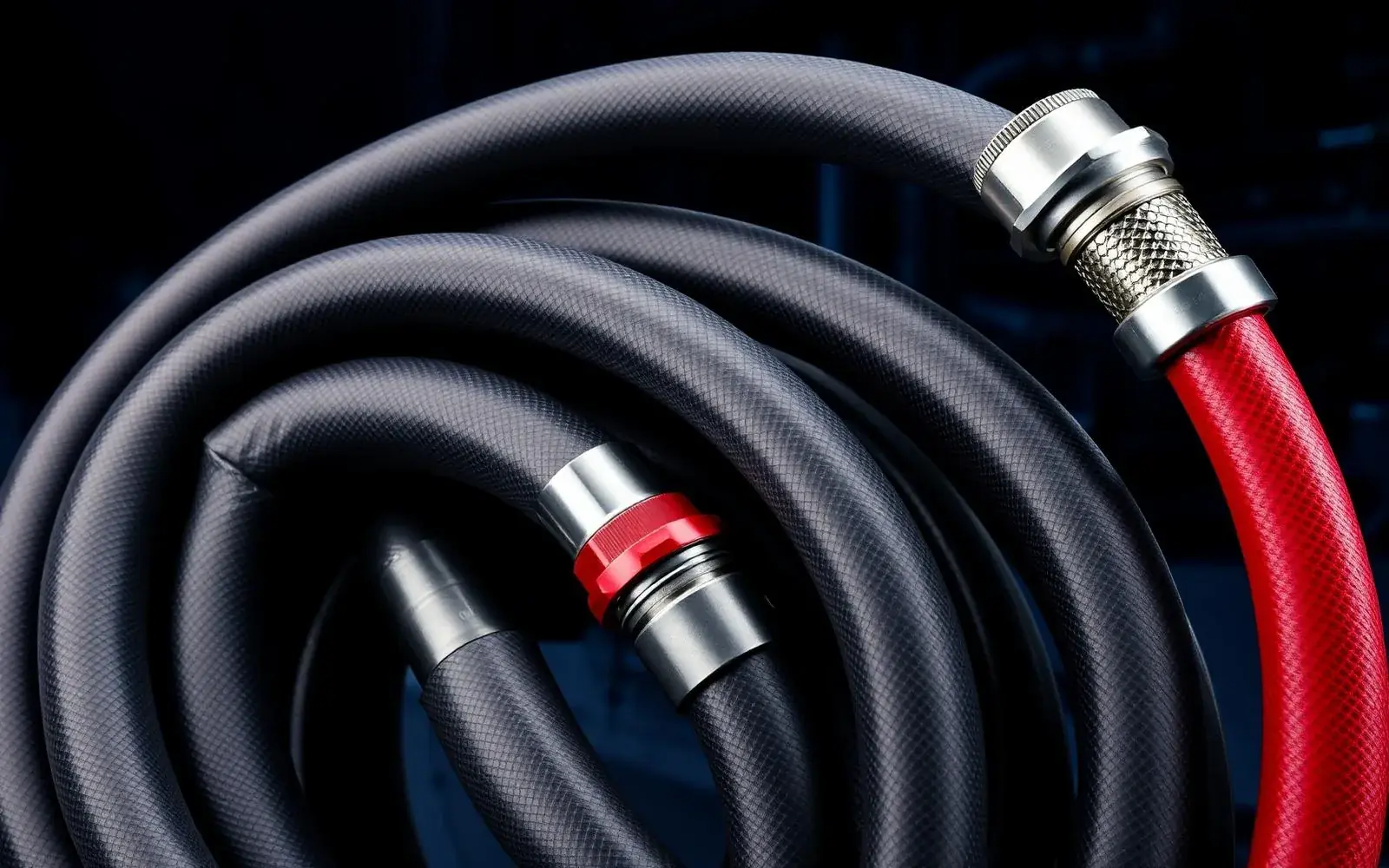
Compressed air is one of the most widely used power sources in modern manufacturing and industrial operations. From automated assembly lines and packaging equipment to CNC machines and pneumatic tools, countless systems depend on the efficient movement of compressed air to function correctly. At the center of this process is the pneumatic hose pipe.
A pneumatic hose serves as the connection between compressors, valves, actuators, cylinders, and other pneumatic components. Its role goes beyond simply transporting air. The quality, design, and specifications of a hose directly influence airflow efficiency, pressure stability, system responsiveness, and overall operational performance.
As industrial automation continues to expand across sectors, selecting the right pneumatic hose becomes increasingly important for maintaining reliable and productive operations.
For businesses looking to understand industrial hose technologies and product developments, staying connected with industry leaders through professional platforms such as Mangla Rubber Industries on LinkedIn can provide valuable insights into evolving industrial applications.
Understanding the Role of a Pneumatic Hose Pipe
A pneumatic hose pipe is designed to transfer compressed air from one point to another within a pneumatic system. Unlike hydraulic hoses that transport fluids under high pressure, pneumatic hoses are specifically engineered to handle compressed air and gases efficiently.
The primary objective of a pneumatic hose is to deliver consistent airflow while minimizing pressure losses. Any restriction, leakage, or inefficiency within the hose can impact machine performance and increase operating costs.
A properly selected hose helps ensure:
- Smooth airflow throughout the system
- Stable operating pressure
- Faster machine response times
- Reduced energy consumption
- Improved equipment reliability
These advantages make pneumatic hoses an essential component in automated and industrial environments.
How Compressed Air Flows Through Pneumatic Systems
Compressed air begins its journey at an air compressor, where atmospheric air is pressurized and stored. The compressed air is then routed through a network of hoses, fittings, valves, and control devices before reaching the intended machinery or equipment.
The pneumatic hose acts as the transportation channel that carries air between these components.
The efficiency of airflow depends on several factors:
- Internal hose diameter
- Hose length
- Material construction
- Operating pressure
- Air demand of connected equipment
When these factors are properly matched, compressed air reaches equipment with minimal pressure drop, allowing machinery to operate efficiently and consistently.
Why Airflow Control Matters in Industrial Machinery
Industrial machinery relies on precise airflow to perform specific functions. Pneumatic cylinders, actuators, grippers, and automation systems require controlled air delivery to achieve accurate movements and repeatable performance.
Poor airflow management can lead to:
- Slower machine cycles
- Inconsistent production quality
- Increased energy consumption
- Reduced equipment lifespan
- Unexpected maintenance issues
The pneumatic hose pipe plays a direct role in preventing these problems by maintaining a reliable flow path for compressed air.
Pneumatic Hose Applications in Industrial Automation
Automation systems use compressed air for a wide range of operations that require speed, precision, and reliability.
Robotic Systems
Many robotic applications use pneumatic actuators for gripping, positioning, and material handling functions. Flexible pneumatic hoses allow these systems to operate continuously while accommodating movement.
Packaging Equipment
Packaging machines rely on pneumatic systems for sealing, labeling, sorting, and product handling. Consistent airflow helps maintain production efficiency and accuracy.
Assembly Lines
Automated assembly operations use compressed air to power cylinders and positioning systems. Proper hose selection helps support uninterrupted production.
Material Handling Equipment
Conveyors, lifting devices, and automated transfer systems often depend on pneumatic controls that require stable compressed air distribution.
Manufacturing Machinery
Industrial machinery across automotive, engineering, electronics, and fabrication sectors uses pneumatic hoses to power tools and automated processes.
Factors That Influence Pneumatic Hose Performance
Not all hoses perform the same way. Several design and application factors determine how effectively a hose controls compressed air flow.
Internal Diameter
The hose’s internal diameter directly affects airflow volume. A hose that is too small may restrict air movement, causing pressure loss and reduced system performance.
Hose Length
Longer hoses create additional resistance within the system. Selecting the appropriate hose length helps maintain efficient airflow.
Material Selection
Different materials offer varying levels of flexibility, durability, and resistance to environmental conditions.
Common materials include:
- Polyurethane (PU)
- Nylon
- PVC
- Rubber compounds
Each material is suitable for specific industrial applications depending on operating requirements.
Pressure Rating
Every pneumatic hose should be selected according to the system’s maximum operating pressure. Choosing a hose with the appropriate pressure rating helps ensure safety and reliability.
The Impact of Hose Quality on Energy Efficiency
Compressed air is often considered one of the most expensive utility resources in industrial facilities. Even minor leaks or restrictions can lead to significant energy losses over time.
High-quality pneumatic hoses contribute to improved energy efficiency by:
- Minimizing air leakage
- Reducing pressure drops
- Maintaining stable airflow
- Supporting optimal equipment performance
For large manufacturing facilities, improving compressed air efficiency can result in measurable cost savings and reduced maintenance requirements.
Choosing a Reliable Pneumatic Hose Pipe Manufacturer
Industrial buyers should evaluate more than just product specifications when selecting hose solutions. The expertise and manufacturing standards of the supplier are equally important.
An experienced pneumatic hose pipe manufacturer can provide:
- Consistent product quality
- Technical guidance
- Industry-compliant manufacturing processes
- Reliable supply capabilities
- Application-specific recommendations
Working with a trusted supplier helps ensure that hose products meet operational demands while supporting long-term equipment performance.
Growing Demand for Pneumatic Hose Manufacturers in India
The expansion of manufacturing, automation, and industrial infrastructure has increased the demand for quality pneumatic hose solutions across the country.
Today, pneumatic hose manufacturers in India serve industries such as:
- Automotive manufacturing
- Industrial engineering
- Packaging
- Food processing
- Material handling
- Heavy machinery
As production environments become more automated, businesses increasingly seek durable hose products that can withstand demanding operating conditions while delivering consistent performance.
Industrial Hose Solutions for Modern Manufacturing
Selecting the right pneumatic hose is an important step toward achieving efficient compressed air management. Industrial facilities benefit from hose solutions that combine durability, flexibility, pressure resistance, and reliable airflow performance.
Businesses looking for industrial hose products and engineered rubber solutions can explore the range offered by Mangla Rubber Industries. With a focus on industrial applications, the company supports the requirements of manufacturers, OEMs, engineering firms, and maintenance professionals across multiple sectors.
Conclusion
Pneumatic hose systems play a critical role in controlling compressed air flow throughout industrial machinery and automation equipment. From maintaining pressure stability to improving machine responsiveness and energy efficiency, the right hose contributes directly to overall system performance.
Need application help?
Our technical team will help you pick the right hose.