
What Happens When a Hydraulic Hose Pipe Fails Under Pressure and How to Fix It?
In industries where heavy machinery, hydraulic equipment, and fluid power systems operate continuously, the Hydraulic Hose Pipe plays a vital role in maintaining smooth performance. From construction sites and mining operations to manufacturing plants and agricultural equipment, hydraulic systems depend on reliable hoses to transfer pressurized fluids efficiently.
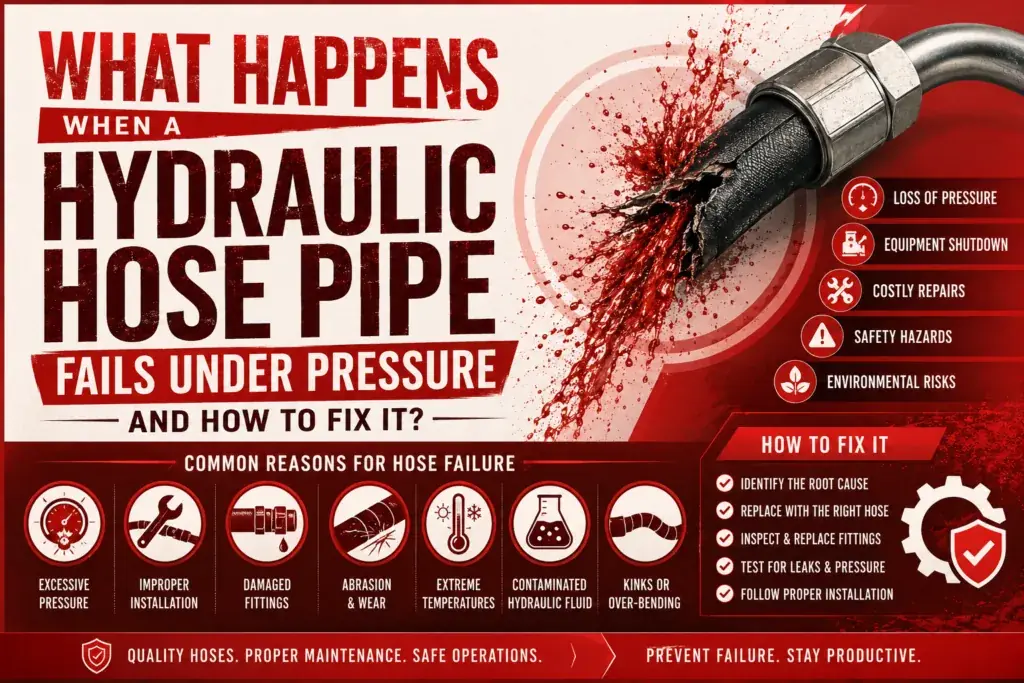
However, when a Hydraulic Hose Pipe fails under pressure, the consequences can be serious. Equipment downtime, production delays, costly repairs, safety hazards, and environmental risks are just a few of the problems that can arise. Understanding why hose failures occur and how to address them can help businesses reduce maintenance costs and improve operational efficiency.
This article explores what happens when a Hydraulic Hose Pipe fails, the common causes behind these failures, and the best methods to prevent and fix them.
Understanding the Role of a Hydraulic Hose Pipe
A Hydraulic Hose Pipe is designed to transport hydraulic fluid between different components of a hydraulic system. It must withstand extreme pressure, temperature variations, vibration, and continuous movement while maintaining leak-free performance.
Modern hydraulic systems rely on high-quality hoses and properly installed hydraulic hose pipe fittings to ensure safe and efficient fluid transfer. Even a minor issue within the hose assembly can compromise the entire system.
What Happens When a Hydraulic Hose Pipe Fails?
When a Hydraulic Hose Pipe fails under pressure, the hydraulic fluid can escape rapidly. Since hydraulic systems often operate at very high pressures, a rupture can release fluid with significant force.
This sudden loss of pressure affects the equipment’s performance almost instantly. Machinery may stop functioning, lifting systems may lose power, and critical operations can come to a halt.
In severe cases, hose failures can create workplace safety risks. Escaping hydraulic fluid can cause burns, injuries, slippery surfaces, and damage to nearby components.
A failed Hydraulic Hose Pipe often leads to:
Loss of hydraulic pressure
Unexpected equipment shutdown
Reduced productivity
Increased maintenance expenses
Safety hazards for workers
Damage to pumps, cylinders, and valves
Environmental contamination from fluid leakage
Could a Small Leak Lead to Complete Hydraulic System Failure?
Yes. Many hose failures begin as small leaks that are often ignored during routine inspections. Over time, pressure fluctuations enlarge the damaged area until the hose can no longer withstand operating conditions. What starts as a minor leak can eventually result in complete system failure.
Need a durable High Pressure Rubber Hose that can handle extreme pressure, abrasion, and continuous industrial use?
Mangla Rubber Industries manufactures high-performance hose solutions designed for fluid transfer applications across mining, construction, manufacturing, and heavy equipment operations.
Common Reasons Why a Hydraulic Hose Pipe Fails
Understanding the root causes of hose failure is the first step toward prevention.
Excessive Pressure
Every Hydraulic Hose Pipe has a specified pressure rating. When operating pressure exceeds the hose’s capacity, the reinforcement layers inside the hose can weaken.
Repeated pressure spikes accelerate wear and eventually cause bursting or cracking. Using hoses designed for the correct pressure range is essential for long-term reliability.
Improper Installation
Incorrect installation remains one of the most common causes of hose failure.
If a hydraulic hose pipe is twisted, bent beyond its minimum bend radius, or stretched during installation, internal stress develops within the hose structure. Over time, this stress weakens the hose and shortens its service life.
Proper routing and installation techniques help prevent unnecessary strain.
Damaged Hydraulic Hose Pipe Fittings
The quality of hydraulic hose pipe fittings directly impacts system performance.
Loose, incompatible, or poorly crimped fittings can cause leaks and pressure loss. Over time, vibration and pressure fluctuations can worsen these issues, leading to complete hose failure.
Regular inspection of fittings is just as important as inspecting the hose itself.
Abrasion and External Wear
Industrial environments are harsh. Hoses frequently come into contact with metal surfaces, machinery components, and abrasive materials.
Continuous rubbing gradually removes the outer cover of the Hydraulic Hose Pipe, exposing the reinforcement layers beneath. Once the reinforcement becomes damaged, the hose’s pressure resistance decreases significantly.
Protective sleeves and proper routing can minimize abrasion-related failures.
Extreme Temperatures
Hydraulic systems often operate in demanding environments.
Excessive heat can harden the rubber material, while extremely low temperatures may cause brittleness. Over time, temperature stress weakens the hose structure and increases the risk of cracks and leaks.
Selecting the right hose for the operating temperature range is critical.
Contaminated Hydraulic Fluid
Contaminants inside hydraulic fluid can accelerate wear throughout the system.
Particles, moisture, and chemical contaminants can damage the inner tube of the Hydraulic Hose Pipe, reducing its lifespan and performance.
Routine fluid maintenance helps protect hoses and hydraulic components.
How Can You Identify a Hydraulic Hose Pipe Before It Fails Completely?
Several warning signs indicate potential failure:
Visible cracks on the hose surface
Fluid leaks near connections
Bulging sections along the hose
Exposed reinforcement wires
Excessive vibration
Kinks or flattened areas
Unusual hydraulic pressure fluctuations
Addressing these warning signs early can prevent major system breakdowns.
Immediate Steps to Take After Hose Failure
When a Hydraulic Hose Pipe fails, quick action is necessary to protect equipment and personnel.
The first step is shutting down the hydraulic system immediately. Continuing operation can cause additional damage to pumps, valves, and cylinders.
Next, identify the damaged section and inspect nearby components for secondary damage. Escaping hydraulic fluid often affects surrounding parts and connections.
After isolating the failed hose, clean any spilled hydraulic fluid to prevent workplace hazards and environmental contamination.
The damaged hose should then be replaced with a compatible hose that meets the system’s pressure and temperature requirements.
How to Fix a Failed Hydraulic Hose Pipe Properly
Simply replacing a damaged hose without addressing the root cause often leads to repeated failures.
A complete repair process involves several important steps.
Start by determining why the failure occurred. Was the hose exposed to excessive pressure? Was abrasion present? Were the hydraulic hose pipe fittings installed correctly?
Once the cause has been identified, install a replacement hose with appropriate specifications.
Inspect all fittings and connectors carefully. Damaged or worn fittings should be replaced at the same time as the hose.
Before restarting the system, test the assembly for leaks and verify that pressure levels remain within recommended limits.
A thorough repair approach improves reliability and reduces future maintenance costs.
Preventing Future Hydraulic Hose Pipe Failures
Prevention is always more cost-effective than emergency repairs.
Regular inspection programs allow maintenance teams to identify early signs of wear before failures occur.
Monitoring operating pressure helps prevent overloading the Hydraulic Hose Pipe.
Protective coverings can reduce abrasion and extend service life.
Maintaining clean hydraulic fluid minimizes internal damage and improves system efficiency.
Most importantly, purchasing hoses from trusted hose pipe manufacturers ensures consistent quality and performance.
Why Quality Matters When Selecting Hydraulic Hoses
Prevention is always more cost-effective than emergency repairs.
Regular inspection programs allow maintenance teams to identify early signs of wear before failures occur.
Monitoring operating pressure helps prevent overloading the Hydraulic Hose Pipe.
Protective coverings can reduce abrasion and extend service life.
Maintaining clean hydraulic fluid minimizes internal damage and improves system efficiency.
Most importantly, purchasing hoses from trusted hose pipe manufacturers ensures consistent quality and performance.
Follow Mangla Rubber Industries on LinkedIn for industry insights, product updates, and practical solutions that keep your operations running efficiently.
Conclusion
A Hydraulic Hose Pipe failure under pressure can disrupt operations, damage equipment, and create serious safety risks. While hose failures are common in demanding industrial environments, most incidents can be prevented through proper installation, routine inspections, quality components, and timely maintenance.
Understanding the causes of failure allows businesses to take proactive measures that extend hose life and improve system performance. Paying close attention to hydraulic hose pipe fittings, operating conditions, and maintenance practices can significantly reduce unexpected breakdowns.
Working with a trusted industrial hose manufacturer India and sourcing products from reputable hose pipe manufacturers ensures access to durable, high-performance hose solutions that withstand the toughest industrial applications.
By prioritizing quality and preventive maintenance, organizations can keep their hydraulic systems running efficiently while minimizing costly downtime and safety risks.
FAQs
1. What is the most common cause of Hydraulic Hose Pipe failure?
Excessive pressure, abrasion, improper installation, and damaged hydraulic hose pipe fittings are among the most common causes of hose failure.
2. How often should a Hydraulic Hose Pipe be inspected?
Industrial hydraulic hoses should be inspected regularly as part of preventive maintenance programs. High-use systems may require more frequent inspections.
3. Can a leaking Hydraulic Hose Pipe be repaired?
In most cases, replacing the damaged hose is safer and more reliable than attempting temporary repairs.
4. Why are hydraulic hose pipe fittings important?
Properly installed hydraulic hose pipe fittings ensure leak-free connections, maintain pressure integrity, and improve overall system performance.
5. How do I choose the right Hydraulic Hose Pipe?
Consider operating pressure, temperature range, fluid compatibility, environmental conditions, and quality standards when selecting a Hydraulic Hose Pipe from reputable hose pipe manufacturers.
Need application help?
Our technical team will help you pick the right hose.