Why Does a Tractor Trolley Hydraulic Hose Leak or Burst? Causes and Prevention Tips
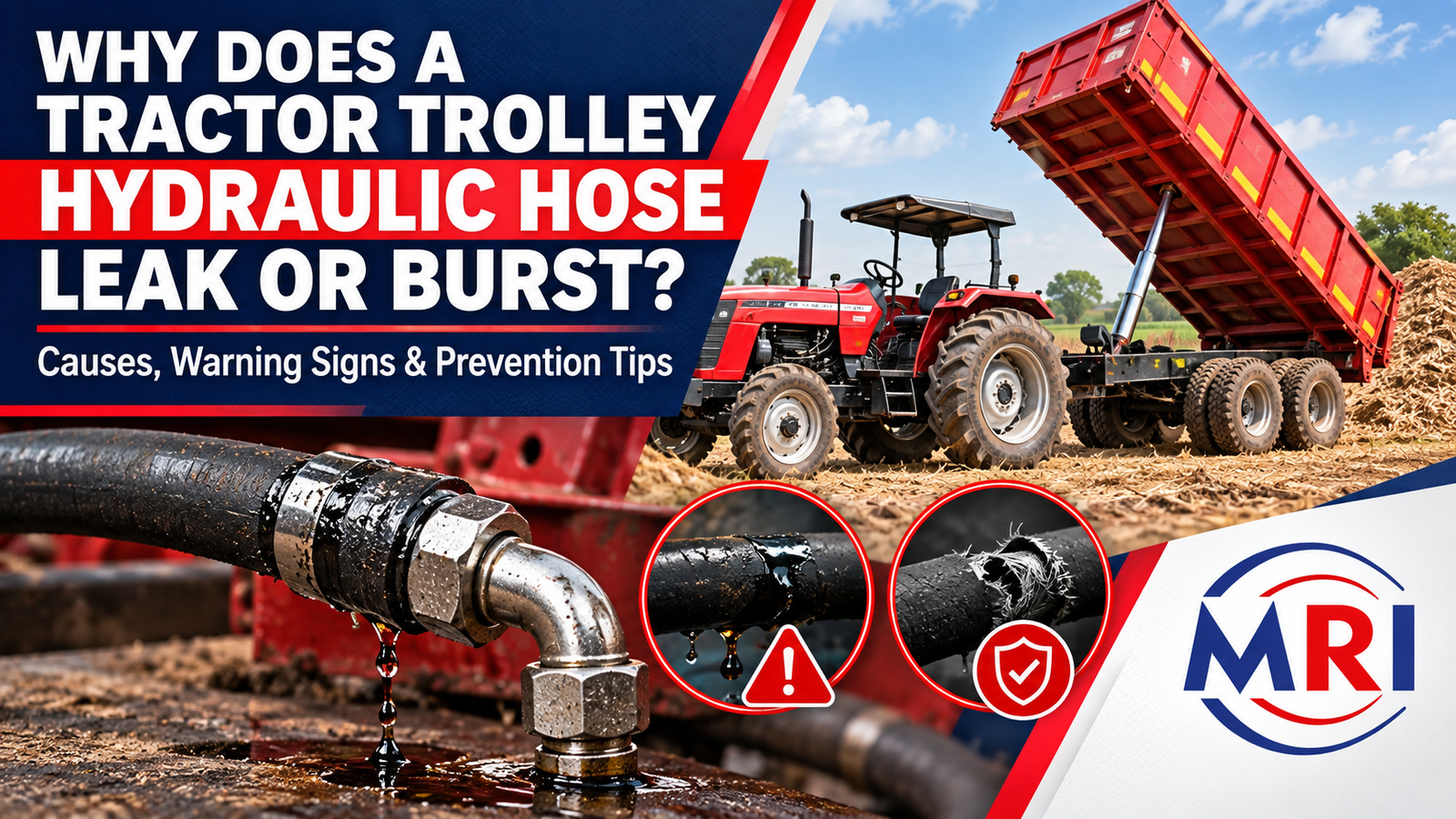
A tractor trolley may look like a simple agricultural attachment, but its lifting system depends on hydraulic pressure. The component carrying that pressure between the tractor and the lifting cylinder is the Tractor Trolley Hydraulic Hose. It works every time the trolley raises, holds a load or returns to its resting position.
When the trolley hose is correctly selected, assembled and routed, the lift remains smooth and controlled. When something is wrong, the operator may notice oil around a fitting, slow lifting, jerky movement, cover damage or a sudden hydraulic hose burst. Most failures are connected to pressure, abrasion, bending, heat, contamination or an unsuitable assembly. Recognising these causes early can reduce downtime and avoid repeated hose replacement.
What Is a Tractor Trolley Hydraulic Hose?
A Tractor Trolley Hydraulic Hose is a flexible, pressure-rated hose that transfers hydraulic oil from the tractor system to the trolley lifting cylinder. Pressurised oil enters the cylinder and moves the piston, allowing the trolley body to rise for unloading. When the control valve changes position, the oil returns and the body lowers.
The hose usually contains an oil-resistant inner tube, one or more reinforcement layers and a durable outer cover. The reinforcement helps the trolley lift hose withstand internal pressure, while the cover protects it from weather, soil, sunlight, abrasion and contact with surrounding equipment.
For a detailed explanation of this lifting circuit, read how a tractor trolley hydraulic hose works. You can also review our guide to selecting a tractor trolley jack hose pipe for tipping and lifting.
Why Does a Tractor Trolley Hydraulic Hose Leak?
A visible leak does not always begin with a large split. It may start as light moisture around a connection, a damaged seal or a small area of cover wear. Finding the source matters because replacing the hose without correcting the underlying problem can lead to another failure.
Incorrect Hose Pressure Rating
The hose must be rated for the working pressure of the hydraulic system and the temporary pressure spikes created during lifting. A hose selected only by its diameter may not have the required pressure capacity. Repeated pressure cycles can weaken the reinforcement and eventually cause leakage or a burst.
Wrong or Poorly Crimped Fittings
Leakage around a ferrule or connection may be caused by an incompatible fitting, incorrect crimp dimension, damaged thread, worn seal or poor assembly. The hose and fitting should be treated as one matched system. Components should not be mixed unless their compatibility has been confirmed by the manufacturer or qualified hose assembler.
Twisting During Installation
A hydraulic hose is designed to flex, but it should not operate under torsion. Twisting places uneven stress on the reinforcement and can loosen the natural alignment of the assembly. The printed lay line on the cover can help identify whether a tractor trolley pipe has been twisted during fitting.
Abrasion Against the Trolley Frame
A hose that rubs against a chassis member, bracket, bolt or sharp metal edge can gradually lose its outer cover. Once the reinforcement becomes exposed, moisture and dirt can accelerate deterioration. Correct routing, suitable clamps and an abrasion sleeve can protect the hose in unavoidable contact zones.
Excessive Bending Near the Fitting
A tight bend close to the fitting concentrates stress where the hose is less able to flex. The route should respect the minimum bend radius stated for the hose and should allow movement as the trolley rises and lowers. Excessive hose length can also create loops that rub, snag or become crushed.
Heat and Weather Exposure
Hot hydraulic oil, exhaust components, strong sunlight and outdoor weather can change the condition of the rubber cover over time. The cover may harden, fade or crack. Routing the hydraulic trolley hose away from heat and using suitable protection can help preserve its flexibility.
Contaminated or Degraded Hydraulic Oil
Dirt, water and degraded oil can affect pumps, valves, seals and cylinders. Restrictions or irregular system pressure may then place additional stress on the hose. Clean fluid and suitable filtration support the performance of the complete hydraulic circuit.
Why Does a Tractor Trolley Hydraulic Hose Burst?
A hydraulic hose burst often occurs after the assembly has already been weakened. The hose may have been operating above its rated pressure, bent too tightly, crushed, abraded or exposed to heat. Internal reinforcement damage may not always be visible from the outside.
Pressure spikes can occur when a heavy load is raised, the trolley reaches the end of its travel or the hydraulic flow is suddenly restricted. If the hose specification, fittings or assembly quality are unsuitable, these spikes can accelerate failure. The correct hose must therefore be chosen according to the actual application, not only by matching the outside appearance of the old hose.
Why Is the Tractor Trolley Lifting Slowly?
Slow lifting is sometimes blamed on the hose, but the complete hydraulic system should be checked. Possible causes include low hydraulic oil, a restricted filter, worn pump, internal cylinder leakage, control valve problems, a crushed hose or a fitting with a small internal passage.
If the problem starts after fitting a new hose, confirm that the internal diameter, fitting bore, overall length and routing match the system. A hose with an unnecessarily small bore may restrict oil flow, generate additional heat and slow the trolley lift.
What Are the Warning Signs of Trolley Hose Failure?
- Hydraulic oil around the fitting, ferrule or hose cover
- Cracks, cuts, bubbles or unusually soft areas on the cover
- Exposed, broken or corroded reinforcement wire
- A flattened, crushed or sharply kinked section
- Jerky, slow or inconsistent trolley lifting
- A hose rubbing against the frame during movement
- Unusual heat, noise or vibration in the hydraulic system
- A fitting that moves or appears misaligned
A small defect should not be ignored simply because the trolley still operates. Hydraulic pressure can force oil through a very small opening. Never search for a pressurised leak with a bare hand. Lower and secure the equipment, follow the machinery manufacturer’s isolation procedure and have the system inspected by a trained technician. The UK Health and Safety Executive also provides useful agricultural machinery safety guidance.
How Can Tractor Trolley Hose Failure Be Prevented?
Select the Correct Hose Specification
Confirm the working pressure, internal diameter, hydraulic fluid, temperature range, reinforcement, fitting type and required length. A suitable safety margin should be considered according to the equipment manufacturer’s requirements.
Plan a Natural Hose Route
The hose should follow a smooth path without torsion, tight bends or unnecessary loops. It should remain clear of sharp edges, tyres, linkages, hot exhaust parts and moving components throughout the complete lifting cycle.
Protect High-Wear Areas
Use appropriate sleeves, clamps or guards where abrasion cannot be avoided. Protection should not restrict normal movement or create another tight bend near the fitting.
Inspect the Assembly Regularly
Check the cover, fittings and routing before busy agricultural operations and during routine servicing. Look for leaks, cracks, abrasion, corrosion, flattening and changes in trolley performance.
Maintain the Hydraulic System
Use the correct hydraulic oil, keep the system clean and follow the tractor or equipment manufacturer’s filter and service recommendations. System heat, contamination and restrictions can reduce the service life of the hose and other hydraulic components.
Replace a Damaged Pressure Hose
Tape, clamps and temporary patches do not restore the pressure rating of a damaged hydraulic hose. A leaking or structurally damaged assembly should be removed from service and replaced with a correctly specified hose and fitting combination.
What Details Are Needed When Ordering a Tractor Trolley Hose?
Accurate information helps the supplier prepare the correct assembly. Share the hose internal diameter, overall length, working pressure, fitting thread, fitting angle, hydraulic fluid, operating temperature and tractor or trolley model. Clear photographs of both hose ends and the installed route can also help identify the required configuration.
Do not choose a replacement only because it looks similar to the existing hose. Two assemblies with the same outside diameter may have different reinforcement, pressure capacity or internal bore.
Choose Reliable Tractor Trolley Hose Solutions
Mangla Rubber Industries manufactures rubber hose solutions for agricultural and industrial applications. Our team can help evaluate pressure, bore, fittings, length and routing requirements for a Tractor Trolley Hydraulic Hose.
If you need help selecting a trolley lift hose or a custom hose assembly, contact Mangla Rubber Industries and share your application details.
Conclusion
A leaking or bursting Tractor Trolley Hydraulic Hose is usually connected to an identifiable cause. Incorrect pressure rating, unsuitable fittings, twisting, abrasion, heat, contamination and poor routing can all reduce hose life. Regular inspection and correct assembly selection help keep trolley lifting smooth, reliable and easier to maintain.
The best replacement is not always the hose that looks identical to the old one. It is the assembly that matches the system pressure, oil, temperature, movement, bore and connection requirements.
Frequently Asked Questions
How often should a tractor trolley hydraulic hose be replaced?
There is no single replacement interval for every tractor trolley. Service life depends on pressure cycles, loading, routing, abrasion, heat, weather and maintenance. Inspect the assembly regularly and replace it when leakage, reinforcement exposure, cracking or deformation appears.
Can a leaking tractor trolley hose be repaired with tape?
No. Tape does not restore the structural strength or pressure rating of a damaged hydraulic hose. A leaking pressure hose should be removed from service and replaced with a correctly specified assembly.
Why does a new hydraulic hose leak near the fitting?
Possible causes include the wrong thread, a damaged sealing surface, loose connection, incompatible fitting, incorrect crimp or misalignment. A qualified technician should inspect the assembly and connection point.
Which hydraulic hose is best for a tractor trolley?
The correct hose depends on working pressure, internal diameter, hydraulic fluid, temperature, routing and fitting type. The equipment specifications and actual operating conditions should guide selection.
Can an undersized trolley lift hose cause slow lifting?
Yes. A hose or fitting with an internal passage that is too small can restrict oil flow and increase heat. However, slow lifting can also result from the pump, filter, valve, cylinder or oil level, so the complete system should be checked.
Looking to buy? See our tractor trolley hydraulic hose range — single and double wire braided, 3/8" to 1", supplied with fittings in bulk or custom lengths.