
How Extreme Summer Heat and UV Damage Rubber Hoses in India and How to Prevent It
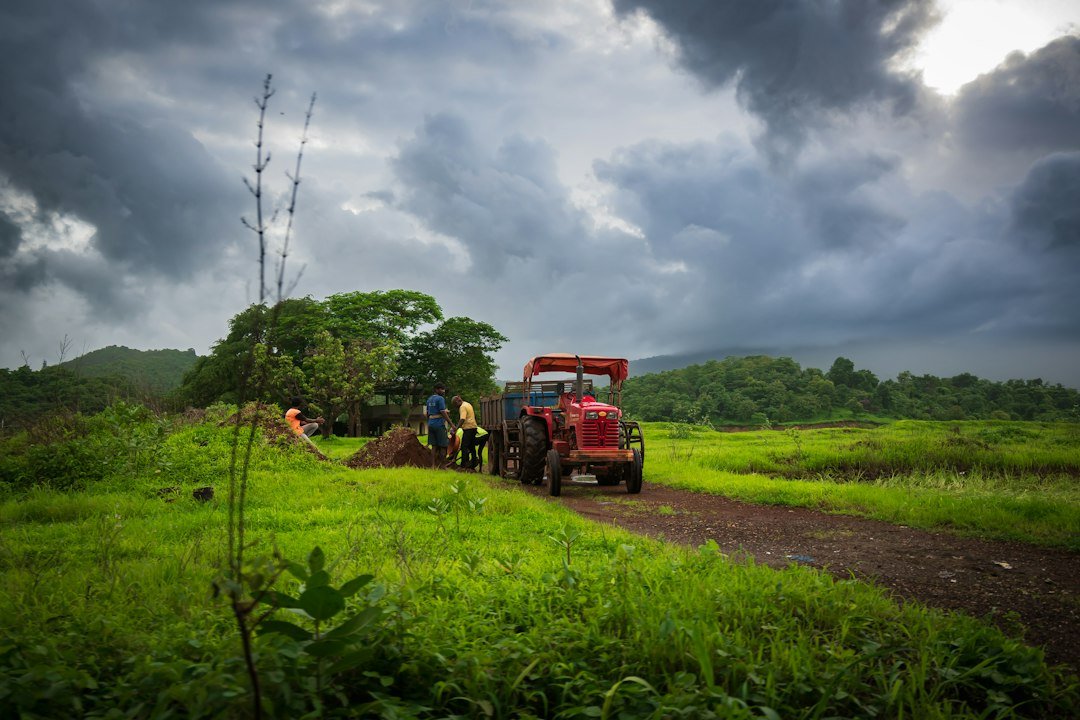
Photo by Marshall Minzz on Unsplash
Every summer, maintenance teams across northern and central India see the same pattern: hoses that worked perfectly through winter begin to crack, harden, fade and leak between April and June. Ambient temperatures of 45 °C and above, surface temperatures on parked machinery well beyond that, and months of intense sunlight combine to age rubber faster than any other season. Understanding heat and UV hose damage is the first step to preventing it, because most of the damage is avoidable with sensible selection, routing and storage.
This guide explains how high temperature and ultraviolet radiation attack rubber hoses, which hose types and applications are most at risk in Indian conditions, how to recognise the early warning signs, and the practical measures farmers, workshops and plant engineers can take to limit heat and UV hose damage before it causes a burst or an unplanned shutdown.
What Is Heat and UV Degradation in Rubber Hoses?
Heat and UV degradation is the gradual chemical breakdown of a hose’s rubber compounds caused by elevated temperature and sunlight. Heat accelerates oxidation: oxygen attacks the polymer chains in the tube and cover, causing the rubber to lose plasticisers, harden and eventually crack. Ultraviolet radiation attacks the cover surface directly, breaking chemical bonds and producing the familiar chalky, faded, crazed appearance of a hose left in the sun for a season or two. Ozone, which is more abundant in hot, sunny weather, adds a third mechanism, opening fine cracks wherever the cover is under tension, such as at bends.
These mechanisms work together. A cover weakened by UV cracks sooner under ozone attack; heat then drives moisture and oxygen through the opened cover to the reinforcement, where textile yarns rot and steel wires rust. Once the reinforcement is compromised the hose can no longer hold its rated pressure, and failure follows even though the hose may be well within its expected service life on paper.
Why Indian Summers Are Especially Hard on Hoses
India’s climate combines several stress factors that are individually manageable but severe in combination:
- High ambient temperature — many districts record 44–48 °C in May and June, and dark hose covers in direct sun run considerably hotter than the surrounding air
- Intense solar radiation — long, cloudless days at low latitude deliver far higher UV doses than the moderate climates many hose compounds were originally developed for
- Radiant heat from machinery — engine bays, exhaust manifolds and hydraulic systems add their own heat load on top of the weather
- Dust and abrasion — wind-blown dust scours the cover surface, removing the protective waxes that rubber compounds bleed to the surface to resist ozone
- Sudden thermal cycling — a pre-monsoon shower on a hose baked to 70 °C imposes rapid contraction that widens existing surface cracks
The India Meteorological Department publishes heat wave bulletins each summer through mausam.imd.gov.in, and periods flagged as severe heat wave conditions are exactly when parked equipment and stored hose suffer the most.
Which Hoses and Applications Are Most at Risk?
Not every hose ages at the same rate. Risk depends on compound, construction and how the hose is used and parked.
Tractor and Farm Equipment Hoses
Tractor trolley hydraulic hoses, loader hoses and sprayer hoses spend their working life outdoors. Trolley tipping hoses are particularly exposed because they run outside the chassis and often face the sky. A tractor parked in an open yard from March to June subjects every external hose to the full seasonal UV dose.
Construction and Earthmoving Equipment
Backhoe loaders and excavators combine external hydraulic hose runs with high fluid temperatures. Hydraulic oil that runs at 80–90 °C in summer traffic ages the tube from the inside while the sun ages the cover from the outside. Boom and dipper hoses that flex in service open micro-cracks that ozone then extends.
Static Plant and Yard Hoses
Air and water hoses left connected and pressurised in open yards, rooftop washdown lines and fuel dispensing hoses at open pumps all degrade quietly because nobody flexes or inspects them daily. A hose that holds pressure while stiff with age can burst without warning when finally moved.
Stored Inventory
Dealers and workshops that store coiled hose near windows, under translucent roof sheets or in hot tin sheds shorten shelf life before the hose is ever sold. Heat-aged stock looks new but has already spent part of its service life.
Early Warning Signs of Heat and UV Damage
Catch degradation early and a hose can be replaced on schedule rather than after a burst. Look for:
- Colour fading and chalking — a black cover turning grey-brown with a powdery surface indicates advanced UV attack
- Crazing and ozone cracks — networks of fine surface cracks, especially on the outside of bends, which deepen over time
- Hardening and loss of flexibility — a hose that resists bending or creaks when flexed has lost plasticisers to heat
- Cover cracking at fittings — the transition at the ferrule concentrates stress and often cracks first
- Exposed or discoloured reinforcement — visible braid means the cover has failed; the hose should come out of service immediately
These indicators overlap with the general symptoms covered in our guide to the warning signs of hydraulic hose failure, but in summer they progress much faster, so inspection intervals should shorten accordingly.
How to Prevent Heat and UV Damage
Prevention costs far less than a failure, and most measures are simple.
First, specify compounds suited to the exposure. EPDM covers offer excellent weather and ozone resistance for water and air service, while properly formulated synthetic rubber covers on hydraulic hose include antioxidants, antiozonants and carbon black that absorb UV before it reaches the polymer. Our guide to heat resistant rubber hose pipes explains which constructions handle sustained high temperature, and it is worth reading alongside our discussion of why well-compounded rubber hoses resist direct summer sunlight.
Second, manage exposure:
- Park in shade — a simple shed roof or even a tarpaulin over parked equipment removes most of the UV dose
- Use protective sleeves — spiral guards and textile sleeves shield exposed runs from sun, dust abrasion and radiant engine heat
- Route away from heat sources — keep hoses clear of exhausts and manifolds, and add heat shields where clearance is tight
- Depressurise idle hoses — pressure holds ozone cracks open; releasing it when equipment is parked slows crack growth
- Control fluid temperature — clean coolers and correct oil levels keep hydraulic oil below the range that bakes the tube from inside
- Store stock properly — keep hose coiled loosely in a cool, dark, ventilated store away from electric motors, which generate ozone
Third, inspect on a summer schedule. A monthly walk-around from March to June, checking bends, fittings and sun-facing runs, will catch most problems while they are still cosmetic.
Choose Heat and UV Resistant Hoses from Mangla Rubber Industries
Mangla Rubber Industries manufactures hoses compounded for Indian operating conditions, including air, water and petroleum hoses with weather-resistant covers and hydraulic hoses whose covers carry the antiozonant and carbon black loadings needed to survive years of open-field service. Every batch is tested for the properties that matter in the heat: cover ageing, adhesion and burst pressure.
If your equipment works through Indian summers, tell us the application, the exposure and the fluid, and we will recommend the construction and protective measures that will see the hose through many seasons. To discuss your requirement or place an order, contact Mangla Rubber Industries.
Conclusion
Heat and UV hose damage is the biggest single reason hoses in India fail earlier than their rated life, yet it is largely preventable. Choose compounds formulated for sun and heat, shade and sleeve exposed runs, keep fluid temperatures under control, store stock in the dark, and inspect more often in summer. The reward is fewer bursts in the hottest months, when downtime hurts most and replacement stock is hardest to arrange.
Frequently Asked Questions
How hot does a hose actually get in the sun?
A black hose cover in direct sunlight can reach 65–75 °C even when the air temperature is 45 °C, because dark rubber absorbs solar radiation efficiently. Surfaces near engines or exhausts run hotter still.
Do UV rays weaken the inside of the hose?
No. UV only penetrates the outer fraction of a millimetre of the cover. The danger is indirect: once the cover cracks, moisture and oxygen reach the reinforcement, which then loses strength and lets the hose burst.
Can I paint a hose to protect it from sunlight?
Painting is not recommended, because paint stiffens the cover, cracks as the hose flexes and can contain solvents that attack rubber. Use purpose-made textile sleeves or spiral guards instead.
How much shorter is hose life in hot climates?
It depends on exposure, but unprotected hose in continuous outdoor service in hot regions can age two to three times faster than shaded hose in moderate climates. Shade, sleeves and good compounds recover most of that difference.
Should I replace a faded hose that still works?
Fading alone is cosmetic, but check for cracking and hardening. If the cover shows crazing, the hose creaks when bent, or cracks appear at the fittings, replace it on schedule rather than waiting for a failure.