
Sustainable Hose Manufacturing: Recycled Rubber, Lower-Emission Compounds and Longer Service Life
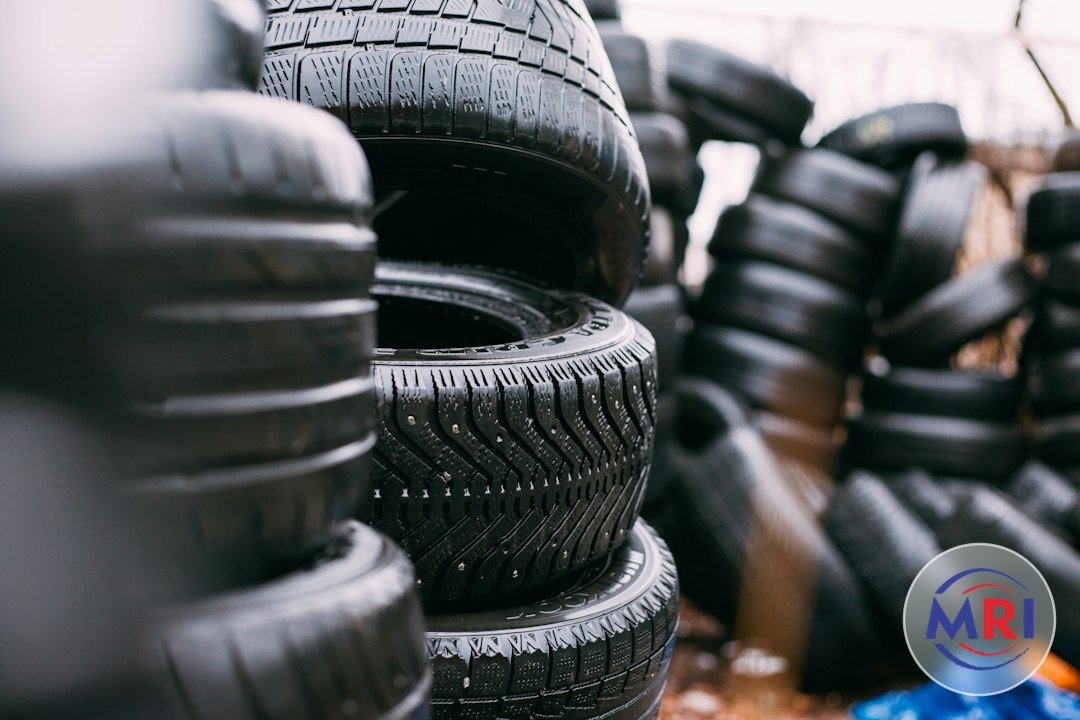
Photo by Robert Laursoo on Unsplash
Rubber hose manufacturing consumes natural and synthetic rubber, carbon black, steel wire, textile yarn and a great deal of energy for mixing, extrusion and vulcanisation. Every hose that fails early is another one to be made, shipped and eventually thrown away. As Indian buyers face tighter environmental rules, customer sustainability audits and rising energy costs, sustainable rubber hose manufacturing has moved from a marketing phrase to a practical question for factories and the plants they supply.
This article explains what sustainable rubber hose manufacturing means in practice, how recycled and reclaimed rubber can be used without compromising safety, how lower-emission compounds and process changes reduce the footprint of each metre produced, and why the biggest gain of all is a hose that simply lasts longer in service.
What Is Sustainable Rubber Hose Manufacturing?
Sustainable rubber hose manufacturing is the set of material, process and design choices that reduce the environmental impact of a hose over its whole life, from raw material sourcing through production, use and end-of-life disposal, while keeping the performance and safety that the application demands. It is not a single technology but a combination of measures, some of which are already standard practice in well-run Indian factories.
The main levers fall into four groups:
- Materials — reclaimed and recycled rubber, renewable feedstocks, lower-impact fillers and process oils
- Process — energy-efficient mixing and curing, waste reduction, water recycling and cleaner boilers
- Design for life — compounds and constructions that extend service life and reduce replacement frequency
- End of life — take-back, reclaiming and recycling of used hose and production scrap
Where Recycled and Reclaimed Rubber Fits
India has a large rubber reclaiming industry, built originally around tyre recycling, and reclaimed rubber and crumb rubber are widely available. Using them in hose is possible, but it has to be done with an understanding of where they help and where they do not.
Cover Compounds
The outer cover of a general-purpose hose is the most suitable place for a proportion of reclaimed rubber. The cover’s job is abrasion, weather and ozone resistance rather than pressure containment, and a well-formulated compound can accept a measured share of reclaim while still meeting cover requirements. Manufacturers typically limit the proportion and test abrasion and ageing performance before approving the formulation.
Tube Compounds
The inner tube must resist the fluid and remain leak-free under pressure and temperature. Reclaimed rubber is generally avoided in hydraulic, chemical, steam and food-grade tubes because its variability can affect fluid resistance and long-term integrity. Virgin nitrile, EPDM, chloroprene or PTFE remain the correct choice here.
Non-Pressure and Low-Pressure Products
Suction hose, delivery hose for water, sleeves, hose guards and moulded rubber components can carry higher reclaim content. These products account for large volumes and are where recycled material makes the greatest difference to raw material consumption.
Production Scrap
Uncured compound trimmings, extrusion start-up waste and off-cuts can be reworked into the same or a lower-grade compound. Vulcanised scrap from cut ends and rejected lengths can be ground and sent to reclaimers. Segregating these streams at the machine is the first step to reducing what goes to landfill.
Lower-Emission Compounds and Cleaner Ingredients
Beyond recycling, the ingredients in a hose compound and the way they are processed determine much of its footprint. A number of changes are practical for Indian manufacturers today.
- Process oils — replacing high-aromatic oils with treated distillate or naphthenic oils reduces polycyclic aromatic content, a step already required in several export markets
- Fillers — recovered carbon black from tyre pyrolysis and silica from renewable sources can partially replace furnace black
- Natural rubber — India is a major producer, and sourcing certified or traceable natural rubber supports both sustainability audits and consistent quality
- Curing systems — lower-temperature and faster cure packages cut energy per metre, and some manufacturers are moving away from curatives that generate restricted by-products
- Solvent reduction — water-based adhesives and release agents replace solvent-based ones in bonding and moulding steps
Our earlier article on eco-friendly hose materials transforming industry looks in more detail at bio-based and alternative polymers and how far they have progressed.
Energy, Water and Waste in the Factory
Rubber mixing and vulcanisation are energy-intensive. Steam autoclaves, salt baths and continuous vulcanisation lines run for long hours, and older boilers may burn coal, furnace oil or biomass with poor efficiency. The largest emission reductions in most Indian hose factories come from the process rather than from the recipe.
- Boiler efficiency — insulation, condensate recovery, economisers and a switch to cleaner fuel or electric heating where the grid allows
- Motor and drive upgrades — energy-efficient motors and variable-frequency drives on mixers, extruders and braiders
- Compressed air — leak audits and right-sized compressors, since air is often the most wasted utility on a hose line
- Water — closed-loop cooling and recycling of cooling-trough water
- Solar — rooftop photovoltaic installations are increasingly viable for factories in Delhi NCR, Rajasthan and Gujarat
The Bureau of Energy Efficiency under the Ministry of Power publishes guidance and schemes for industrial energy conservation in India; details are available on the official Bureau of Energy Efficiency website. Our guide to energy efficient industrial hose systems addresses the user side, where correct bore sizing and low-friction linings reduce pumping energy in service.
The Biggest Gain: Hoses That Last Longer
A hose that lasts twice as long halves the material, energy and transport used to serve that application, and halves the waste generated. No recycling programme comes close to this effect. For the buyer, longer service life also means fewer breakdowns and lower total cost, so the sustainable choice and the economic choice usually coincide.
Better Compounds
Improved ozone and UV resistance in covers, higher-quality nitrile in tubes and consistent mixing all extend life, particularly in India’s climate.
Correct Specification
Many hoses fail early because they were the wrong grade for the job: an R1 where an R2 was needed, a general-purpose hose carrying a chemical, or a hose run above its temperature limit. Manufacturers who help buyers specify correctly reduce waste at the source.
Repairability and Modular Assemblies
Assemblies with reusable or re-crimpable fittings, and standardised lengths that can be replaced individually, reduce the amount of hose discarded when one section fails.
Manufacturing Precision
Modern extrusion, braiding and curing equipment holds tighter tolerances, producing hose with fewer defects and more consistent burst and impulse performance. Our overview of the latest innovations in hose manufacturing machine technology covers the equipment behind this.
What Buyers Can Ask Their Hose Supplier
Plant purchasing teams increasingly need to report on supply chain sustainability. Reasonable questions to put to a hose manufacturer include:
- Material content — the share of reclaimed or recycled rubber, and in which products it is used
- Restricted substances — confirmation that compounds meet the buyer’s restricted substance list
- Energy sources — the fuel used for curing and any renewable share
- Waste handling — how production scrap and rejected hose are dealt with
- Service life data — expected life in the application and evidence from testing or field experience
Choose Responsibly Manufactured Hose from Mangla Rubber Industries
Mangla Rubber Industries manufactures hydraulic and industrial hoses in Delhi with a focus on consistent compounds and long service life, including air, water and petroleum hose for general industrial and agricultural use. Production scrap is segregated and reclaimed, compounds are selected for durability in Indian conditions, and buyers receive help specifying the correct grade so that hoses are replaced less often.
If your plant has sustainability reporting requirements or simply wants hoses that last longer, share your applications and our team will recommend suitable grades and provide the material and process information you need. To discuss your requirement, contact Mangla Rubber Industries.
Conclusion
Sustainable rubber hose manufacturing combines sensible use of reclaimed rubber in covers and low-pressure products, cleaner ingredients, energy-efficient curing and, above all, hoses designed and specified to last. For Indian manufacturers and buyers the approach is practical rather than idealistic: it cuts raw material, energy and waste while lowering the cost of ownership of every hose in service.
Frequently Asked Questions
Can recycled rubber be used in hydraulic hose?
Not in the tube or reinforcement, where virgin compounds and steel wire are required for pressure integrity. A limited proportion may be used in some cover compounds after testing, and in low-pressure and non-pressure products.
Does a sustainable hose cost more?
Not necessarily. Reclaimed material can lower raw material cost, and energy savings reduce production cost. A longer-lasting hose costs less over its life even if its purchase price is slightly higher.
What is reclaimed rubber?
Reclaimed rubber is vulcanised scrap, usually from tyres, that has been ground and chemically or thermally treated so it can be re-mixed and re-cured. It is different from crumb rubber, which is ground scrap used as a filler without reprocessing.
How can a plant reduce hose waste?
Specify the correct grade, protect hoses from abrasion and heat, inspect regularly, replace assemblies before catastrophic failure and return production scrap or used hose to a reclaimer where possible.
Are there Indian regulations on rubber waste?
India regulates hazardous and plastic waste and has extended producer responsibility rules for tyres. Hose manufacturers should follow the applicable state pollution control board consents for effluent, emissions and solid waste from their plants.