Pneumatic and Hydraulic Hoses for Indian Railways Rolling Stock and Maintenance Depots
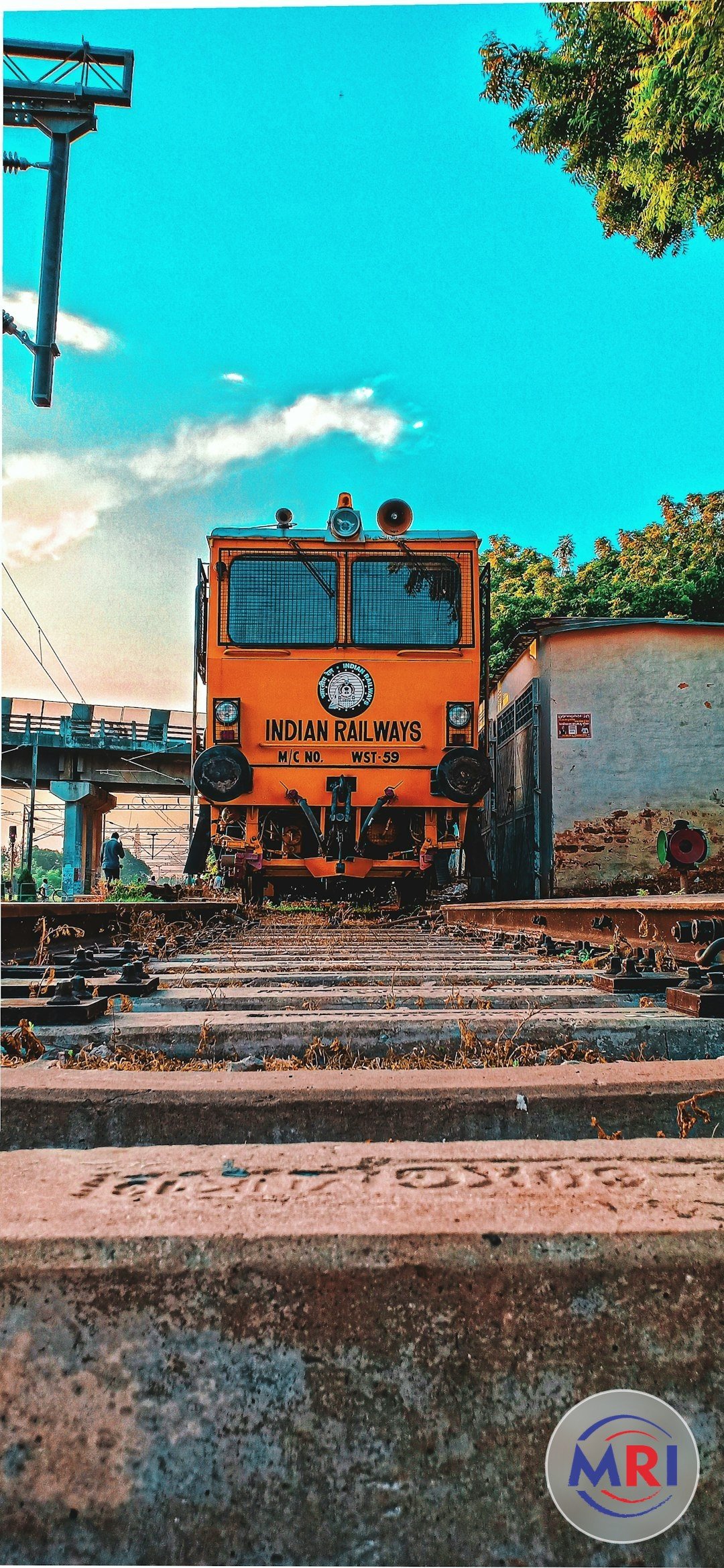
Indian Railways runs one of the largest rolling stock fleets in the world: tens of thousands of coaches, wagons and locomotives, all of which depend on compressed air for braking, doors and auxiliary systems, and on hydraulics in maintenance depots, cranes and track machines. Railway hoses are the flexible links in these circuits — between coaches, between the compressor and the brake pipe, between the depot air main and the tools that service a rake overnight. When a hose fails, a train does not move, so specification and maintenance are treated with the same seriousness as any other safety-critical component.
This article looks at where pneumatic and hydraulic hoses are used on rolling stock and in maintenance depots, what makes railway hoses different from general workshop hose, and how depot engineers and approved vendors should select and inspect them.
What Are Railway Hoses?
Railway hoses are flexible rubber hose assemblies used across rolling stock and railway infrastructure. The most visible are the brake hose couplings that hang between coaches and wagons, connecting the continuous brake pipe and feed pipe through the length of the train. Less visible, but just as important, are the air hoses feeding doors, horns, pantograph controls and suspension, and the hydraulic hoses on track maintenance machines, re-railing equipment and depot lifting jacks.
Broadly, the hoses fall into three groups:
- Brake and feed pipe hoses — carry compressed air at around 5 to 6 kg/cm² in the brake pipe and up to 10 kg/cm² in the feed pipe of air-braked stock; they must stay flexible through curves, buffer movement and coupling shocks
- Auxiliary pneumatic hoses — supply air to door operators, wipers, horns, sanders and control gear, usually at similar pressures but with smaller bores
- Depot and track machine hydraulic hoses — power tamping machines, rail cutters, re-railing jacks and depot equipment at pressures from 150 to 700 bar depending on the tool
Brake Hoses: The Most Safety-Critical Rubber on the Train
The air brake system on Indian Railways stock is continuous: a drop in brake pipe pressure anywhere along the train applies the brakes everywhere. The flexible hose coupling between vehicles is the one part of that pipe that flexes millions of times over its life, hanging in the open, exposed to sun, rain, dust, ballast strikes and the constant push-pull of coupler movement.
A brake hose that cracks or leaks does not usually cause a runaway — the fail-safe design applies the brakes — but it does cause pressure-maintenance problems, longer brake release times and, in the worst case, a train stopped on a busy section. That is why brake hoses are made to controlled specifications, batch tested, and replaced on a fixed schedule during periodic overhaul rather than run to failure.
What the Specification Demands
- Weather and ozone resistance — the cover compound must survive years of direct sun and monsoon exposure without surface cracking
- Flexibility at temperature extremes — the hose must couple easily on a winter night in North India and not soften in 50 degree summer heat on the platform end
- Kink and collapse resistance — a kinked brake hose can restrict air flow and slow brake propagation along the rake
- Burst margin — working pressure is modest, but the burst pressure is specified several times higher to cover pressure spikes and ageing
- End fitting integrity — the coupling head and clamped or crimped shank must not pull off under the snatch loads of coupling and uncoupling
General-purpose air hose from a hardware shop meets none of these requirements reliably, which is why railway procurement insists on approved sources and traceable batches. Our guide to the requirements an industrial hose pipe must meet explains how specifications translate into construction details.
Auxiliary Pneumatic Hoses on Coaches and Locomotives
Beyond the brake pipe, compressed air on modern coaches and locomotives operates automatic doors, pantograph raising gear, windscreen wipers, horns, sanding gear and air suspension levelling valves. Each of these circuits uses smaller-bore pneumatic hose, often routed through underframe and roof spaces where temperatures are high and access is difficult.
The selection logic is the same as for industrial compressed air systems: match the bore to the flow, the pressure rating to the compressor output with margin, and the cover to the environment — oil mist, heat and vibration in the underframe, UV and ozone on the roof. Our article on how a pneumatic hose pipe is used for compressed air and gas transfer covers the fundamentals that apply directly to these circuits.
Hydraulic Hoses in Depots and Track Machines
Maintenance depots and permanent way machinery are heavy users of hydraulic hose. Tamping machines, ballast regulators and rail-grinding machines carry dozens of hydraulic hose assemblies working at 200 to 350 bar. Depot equipment — whiting jacks and lifting systems that raise a full coach body, wheel-lathe clamps, bogie turntables — runs on hydraulics as well. Re-railing kits used after derailments use hand pumps and hoses at up to 700 bar.
These applications call for standard SAE-grade wire braid and spiral hoses, but the railway environment adds its own demands: hoses drag across ballast, get stepped on, and sit unused for months in emergency kits before being pressurised to full rating in the field. Correct storage, dated replacement and pre-use inspection matter as much as the original specification. Matching the fitting standard on imported track machines — often metric or BSP rather than the JIC common on Indian construction equipment — is a frequent source of error; our overview of hydraulic hose fittings explains how to identify thread forms before ordering replacements.
Inspection and Replacement Practice
Railway maintenance is schedule driven. Brake hoses are examined at every primary maintenance and replaced during periodic overhaul at fixed intervals regardless of visible condition, because rubber ages even when the hose looks sound. Depot engineers inspecting pneumatic and hydraulic hoses should look for:
- Cover cracking — fine crazing on the outer cover of brake hoses indicates ozone ageing; deep cracks reaching the reinforcement mean immediate replacement
- Abrasion flats — hoses rubbing on underframe brackets or ballast wear through the cover and expose reinforcement to corrosion
- Soft or swollen sections — oil contamination of an air hose softens the tube and cover and weakens the wall
- Fitting corrosion and slippage — rust staining at the shank or any sign of the hose creeping out of the fitting
- Leak sound and pressure drop — a rake that will not hold feed pipe pressure overnight usually has a leaking hose coupling or gasket
The Ministry of Railways publishes maintenance manuals and specifications for coaching and wagon stock through its research and standards organisation; vendors and depot engineers can refer to Indian Railways official resources for the governing documents.
How Vendors Qualify to Supply Railway Hoses
Supplying hoses to Indian Railways, its production units or its component vendors is a documented process. Buyers expect type test reports covering burst, adhesion, ozone and low-temperature flexibility, batch traceability from rubber compound to finished assembly, and marking with specification number, batch and date. Vendors approved by railway quality organisations are periodically audited. For workshops and contractors maintaining private sidings, port railways and metro depots, the same discipline is worth copying even where formal approval is not mandatory: buy to a specification, insist on test certificates, and record installation dates so age-based replacement is possible.
Choose Railway and Depot Hoses from Mangla Rubber Industries
Mangla Rubber Industries manufactures compressed air and pneumatic hoses in Delhi for industrial, depot and rolling stock support applications, along with hydraulic hoses for track machines and lifting equipment. Our pneumatic hose range is built with weather-resistant covers and tested burst margins suited to outdoor railway service, and we supply against buyer specifications with batch test documentation.
If you maintain depot equipment, track machinery or industrial sidings and need hoses made to specification with proper documentation, contact Mangla Rubber Industries to discuss your requirement.
Conclusion
From the brake hose swinging between two coaches to the 700 bar re-railing kit in an emergency van, railway hoses do critical work in a punishing environment. The principles are consistent: specify for weather, flexing and pressure margin, buy from traceable sources, and replace on age rather than waiting for visible failure. Depots and vendors that follow this discipline keep trains moving and keep flexible connections off the failure statistics.
Frequently Asked Questions
What pressure do railway brake hoses carry?
The brake pipe on air-braked Indian Railways stock works at around 5 kg/cm² and the feed pipe at around 6 kg/cm², with locomotive main reservoir systems running higher. Hoses are specified with burst pressures several times these figures to cover ageing and pressure spikes.
Why are brake hoses replaced on a schedule instead of on condition?
Rubber degrades with ozone, UV and flexing even when the surface looks acceptable, and a brake hose failure on a running train is costly. Scheduled replacement during periodic overhaul removes age as a risk factor at a predictable cost.
Can ordinary workshop air hose be used on rolling stock?
No. Rolling stock hoses need proven ozone resistance, low-temperature flexibility and secure end fittings that general workshop hose is not tested for. Use hoses made and certified to the applicable railway specification.
What hydraulic hoses do track machines use?
Tamping and ballast machines typically use SAE 100 R2 wire braid hose for circuits up to about 350 bar working pressure, with spiral hose on high-impulse circuits. Fittings on imported machines are often metric or BSP, so thread identification matters when ordering spares.
How should emergency re-railing hoses be maintained?
Store them coiled, away from sunlight and ozone sources, inspect them at fixed intervals, and pressure test or replace them on a dated schedule. A hose that sits for years and is then taken straight to 700 bar must be in certified condition.