
Hydraulic Hose Routing and Bend Radius: Installation Rules That Prevent Early Failure
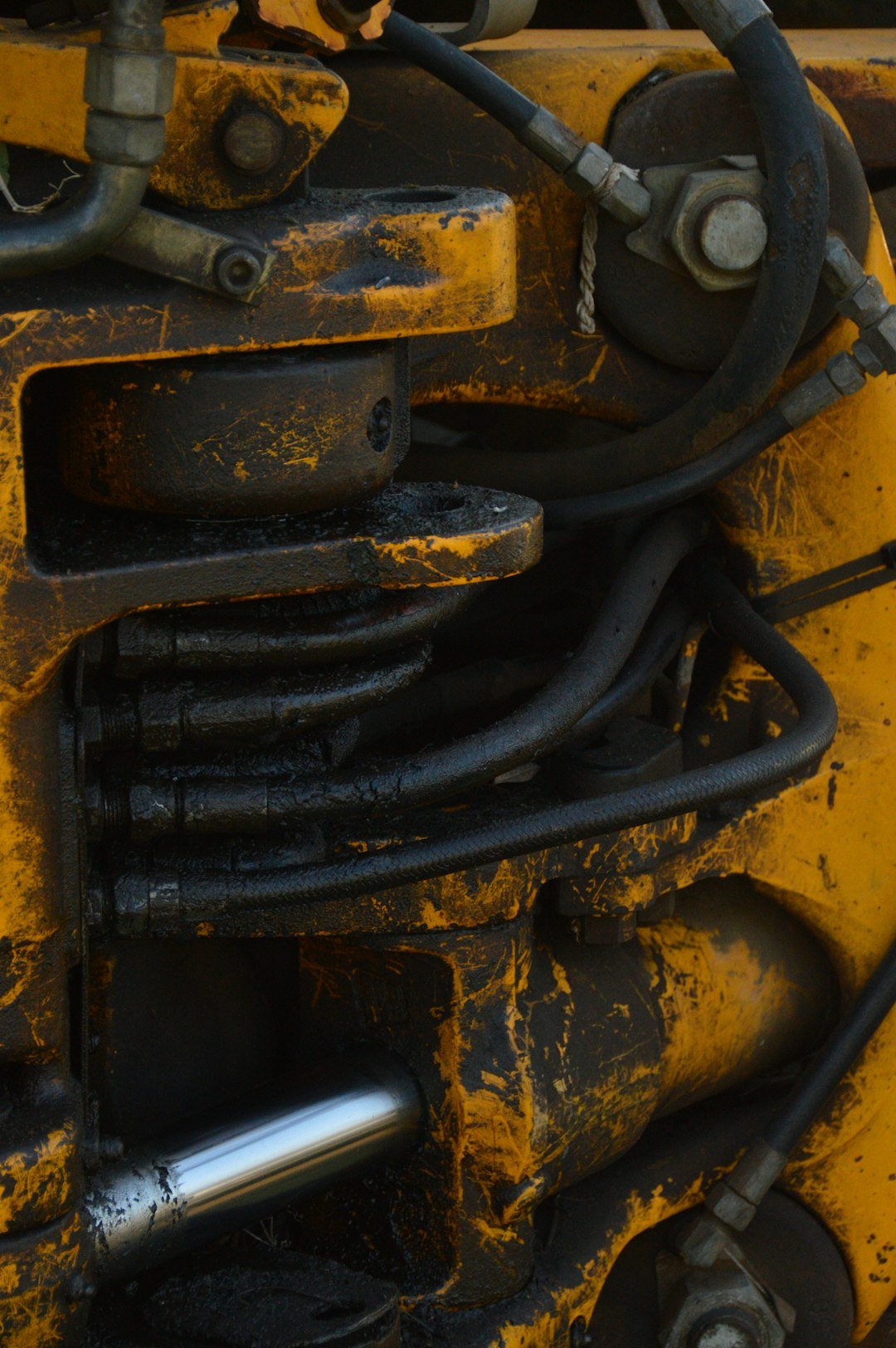
A large share of hydraulic hose failures have nothing to do with the hose itself. The compound is correct, the pressure rating is adequate, the fittings are properly crimped — and the hose still fails in months because it was installed badly. Kinked at the pump port, rubbing against a chassis member, twisted during tightening or bent tighter than the reinforcement allows, a well-made hose is condemned on the day it is fitted. Getting hydraulic hose bend radius and routing right is therefore one of the cheapest reliability improvements available to any workshop or plant.
This guide sets out the installation rules that protect hose assemblies: what minimum hydraulic hose bend radius means and why it matters, how to measure and respect it, the routing patterns that accommodate machine movement and pressure changes, and the common installation mistakes that shorten hose life on tractors, JCBs, presses and industrial machinery across India.
What Is Minimum Bend Radius?
Minimum bend radius is the tightest curve a hose may be bent to, measured to the inside of the bend, without damaging its structure or reducing its pressure capability. Every hose specification lists it, and it varies with construction and bore: a one-wire braid hose bends tighter than a four-spiral hose of the same bore, and a 12 mm hose bends far tighter than a 51 mm one. Bending tighter than the minimum kinks the tube, opens gaps in the braid on the outside of the bend and bunches wires on the inside, so the reinforcement no longer shares load evenly.
The consequences appear in two ways. Immediately, a hose bent below its minimum radius loses burst strength at the bend — the published burst pressure assumes the hose is straight or gently curved. Over time, every pressure cycle flexes the disturbed reinforcement, fatiguing wires until the hose fails at the bend, typically as a pinhole leak or a burst on the outside of the curve. Standards such as SAE J517 define the constructions and their rated bend radii, and the practice guidance in SAE J1273 covers selection, routing and installation of hydraulic hose assemblies in detail.
The Core Routing Rules
Six rules cover most situations. Applied consistently, they prevent the majority of installation-induced failures described in our review of the common causes of hydraulic hose failure.
Allow for Length Change Under Pressure
A hydraulic hose changes length when pressurised — it can shorten by up to around 4 per cent or lengthen slightly, depending on construction. A hose cut to the exact straight-line distance between two ports will pull on its fittings with every cycle. Always provide slack: route with a gentle curve rather than a straight, taut run, so the length change is absorbed by the bend rather than by the crimped joints.
Never Bend Immediately at the Fitting
The crimped ferrule is rigid; the hose next to it is not. A bend that starts at the ferrule concentrates all flexing in the first few centimetres of hose, which is exactly where the reinforcement is already stressed by the crimp. Keep a straight length of roughly 1.5 times the outside diameter after the fitting before the bend begins, or use an elbow fitting to make the direction change in steel rather than in rubber.
Respect the Minimum Bend Radius Everywhere
Check the spec sheet, then check the installation. If the geometry forces a tighter bend than the hose allows, do not force the hose — change the fitting angle (45° or 90° elbows), reroute, or select a construction with a tighter rated radius, such as a compact one- or two-wire hose. Bends should also stay in one plane where possible; a bend that also twists loads the reinforcement unevenly.
Avoid Twist During Installation
Torsion is a hose killer: a twist of even a few degrees rotates the braid off its designed angle and can cut fatigue life dramatically. Use the lay line printed on the cover as a guide — it should run straight, not spiral. When tightening fittings, use two spanners so the hose does not rotate with the nut, and let the hose settle naturally before final tightening.
Plan for Machine Movement
Hoses serving cylinders on booms, dippers, steering and tipping trolleys must flex through the full range of movement without going taut, kinking or rubbing. Route so the hose bends in one plane with the moving part, clamp on the fixed side of the pivot, and check clearance at both extremes of travel — full lift and full lower — not just in the parked position.
Separate, Clamp and Protect
Hoses that rub against each other, the chassis or sharp edges wear through their covers long before the rubber ages. Use clamps to hold long runs, spiral guards or sleeves where contact is unavoidable, and keep hoses clear of exhausts and other heat sources. Clamps should support without crushing, and should never anchor a hose so rigidly that it cannot accommodate pressure-induced length change.
How to Measure and Check Bend Radius on the Machine
In the workshop, bend radius is easy to check with a simple template. Cut cardboard or plywood arcs at the minimum radii of the hose sizes you use most — for example, a one-wire 12.7 mm hose might have a 90 mm minimum radius while a four-spiral 25 mm hose may need 300 mm — and offer the template to the installed bend. If the hose curves tighter than the template, the installation needs an elbow or a reroute. Record the radii for your common assemblies on the workshop wall so fitters do not have to look them up each time.
When replacing a failed hose, look at how the old one failed before copying its routing. A failure on the outside of a bend, cover cracking at the ferrule, or a spiral wear mark are all messages about routing, not about hose quality, and the guidance in our article on extending the life of hydraulic hose assemblies shows how much service life good installation recovers.
Common Installation Mistakes in Indian Workshops
- Cutting hoses too short — to save material, leaving no slack for length change and forcing tight bends at both ends
- Using straight fittings everywhere — a straight fitting into a tight corner guarantees a below-minimum bend; elbows cost little and remove the problem
- Twisting during tightening — visible as a spiralling lay line; common when one spanner is used instead of two
- Bundling hot and cold lines — tying return and pressure lines to each other transfers heat and causes mutual abrasion
- Ignoring the second machine position — a hose routed with the boom down may be dangerously taut with the boom up
- Reusing old routing after an upgrade — a pump upgrade that raises pressure may need a heavier construction with a larger minimum radius than the old route allows
Fitting choice matters as much as routing. The right elbow, adapter and thread form remove bends that rubber should not make, and our overview of hydraulic hose fittings and their role in industrial systems covers the options.
Choose Correctly Specified Hydraulic Hoses from Mangla Rubber Industries
Mangla Rubber Industries manufactures hydraulic hoses to consistent bend radius and impulse performance, including high pressure SAE 100 R2 hose for the demanding circuits on construction and agricultural equipment. Our team helps workshops select the construction whose minimum bend radius actually fits the machine, and advises on assembly lengths that leave the right slack for the application.
If your machines are eating hoses at bends and fittings, send us photographs of the routing along with the pressures and bore sizes, and we will recommend constructions and fitting combinations that fix the problem at the source. To discuss your requirement, contact Mangla Rubber Industries.
Conclusion
Respecting the hydraulic hose bend radius and following a handful of routing rules — slack for length change, straight exits from fittings, no twist, planned movement, clamping and protection — costs nothing but attention at installation time, and pays back in hoses that reach their full fatigue life. For fleets of tractors, backhoe loaders and industrial machines, disciplined routing is the difference between hoses replaced on schedule and hoses replaced at every breakdown.
Frequently Asked Questions
What happens if I bend a hose tighter than its minimum radius?
The tube can kink and the reinforcement is disturbed, reducing burst strength at the bend and accelerating fatigue. The hose may work initially but will fail early, usually on the outside of the bend.
Is a larger bend radius always safer?
Yes, within reason. Gentler bends stress the reinforcement less and extend fatigue life. The only cost is slightly more hose length and space, which is almost always a good trade.
How do I know if a hose was installed with a twist?
Look at the lay line — the printed stripe along the cover. It should run straight along the hose. If it spirals around the hose, the assembly was twisted during installation and should be refitted.
Do spiral hoses and braided hoses have different bend radii?
Yes. Multi-spiral hoses are stiffer and have larger minimum bend radii than one- or two-wire braided hoses of the same bore. Compact constructions are available where tight routing is unavoidable.
Should hoses be clamped tightly along their run?
Clamps should locate and support the hose without crushing it, and must leave freedom for the small length changes that occur under pressure. Rigid over-clamping simply moves the flexing to an unsupported point.