Hydraulic Hose Testing Explained: Proof, Burst and Impulse Tests and Why They Matter
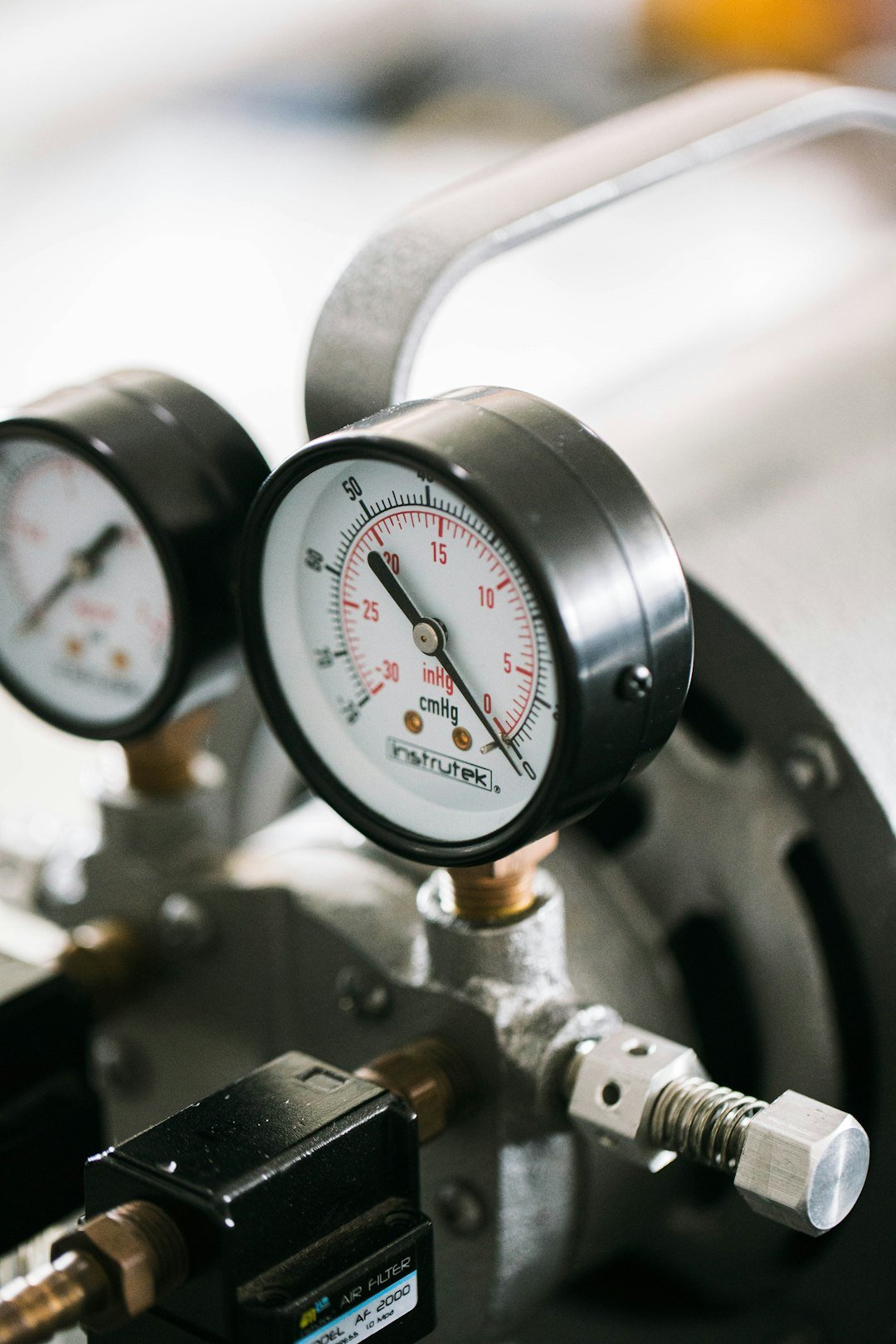
Photo by Jonathan Castañeda on Unsplash
Two hydraulic hoses can look identical on the shelf — same bore, same lay line format, similar price — and behave completely differently in service. The difference is rarely visible from outside; it lives in the rubber compounding, the wire braiding tension and the crimp quality, and the only way to know it is there is hydraulic hose testing. Proof, burst and impulse tests are how a manufacturer proves that a hose actually delivers the pressure rating printed on its cover, rather than merely claiming it.
This article explains what each type of hydraulic hose testing involves, what the numbers mean, which tests are type tests done on samples and which are routine tests done on production, and how a buyer in India can use test evidence to separate a genuine hose from a lookalike. It is written for purchase engineers, dealers and maintenance teams who specify or buy hydraulic hose.
What Is Hydraulic Hose Testing?
Hydraulic hose testing is the set of standardised laboratory and factory tests that verify a hose or hose assembly meets its rated performance. The tests are defined in international standards — SAE J343 describes the test methods for SAE 100R series hoses, and the ISO 6605 and ISO 6803 methods published by the International Organization for Standardization cover proof, burst and impulse testing — so that a rating from one laboratory means the same as from another.
The tests fall into two groups:
- Type tests — destructive tests such as burst and impulse, performed on samples to qualify a hose design and repeated periodically or when the design changes
- Routine tests — non-destructive checks such as proof pressure and dimensional inspection, performed on production batches or individual assemblies before despatch
Proof Pressure Testing
A proof test pressurises the hose or finished assembly to twice its rated working pressure, holds it there — typically for 30 seconds to a minute — and inspects for leakage, ferrule movement or visible distortion. The hose must survive undamaged; proof pressure is below the level that harms a sound hose but above anything a defective crimp or damaged reinforcement will tolerate quietly.
Proof testing is the everyday workhorse of hose quality. A manufacturer can proof-test every assembly it despatches, and a good one does exactly that for critical lines. When an assembly weeps at the crimp during a proof test, that is one failure that never reaches a customer’s machine. Buyers can reasonably ask a supplier whether assemblies are proof-tested and whether test records are kept against batch numbers — our article on why certification matters when selecting a rubber hose supplier explains what a credible answer looks like.
Burst Pressure Testing
A burst test takes a hose sample and raises the pressure steadily until it fails. The standard requirement for most hydraulic hose constructions is a minimum burst pressure of four times the rated working pressure — the familiar 4:1 design factor. A hose rated at 80 bar working pressure must therefore not burst below 320 bar, and a two-wire hose rated at 275 bar must reach 1,100 bar.
Three points matter when reading burst figures:
- Burst is a minimum, not a bonus — the margin exists to absorb pressure spikes, ageing and minor damage over the hose’s life; it is not spare capacity to run the hose above its working pressure
- Where the failure happens matters — a sample should fail in the free length of the hose; failure at the fitting indicates a crimp or fitting problem rather than a hose limit
- It is a destructive type test — burst figures on a datasheet come from sampled tests on that hose design, which is why consistent manufacturing matters as much as the test itself
Impulse Testing: The Test That Predicts Real Life
Machines do not hold steady pressure. Every time a loader bucket hits material, a press cycles or a tractor trolley tips, the hydraulic circuit sees a sharp pressure spike followed by relaxation. Impulse testing reproduces this: the hose assembly is connected to a rig that fires pressure pulses — typically at 125 or 133 per cent of working pressure depending on the hose class — at a rate of around one cycle per second, often with the hose bent to its minimum bend radius and with oil at high temperature, commonly around 100 degree Celsius.
The hose must survive a specified number of cycles without leakage or failure. Braided hoses are generally required to reach 150,000 to 200,000 cycles, while spiral constructions are qualified to 400,000 cycles or more at higher test pressures. This is precisely why spiral hose is specified for rock breakers, presses and other high-impulse duties — the qualification itself is harder. If your application hammers its hoses, our high impulse spiral hose range is built and qualified for that duty.
Why Impulse Failures Matter More Than Burst Failures
In the field, very few hoses fail by simple overpressure. They fail by fatigue: thousands of hours of pressure cycling, flexing and heat gradually work-harden the wire and age the rubber until a pinhole or crimp leak appears. Impulse testing is the laboratory’s compressed version of that life, which makes it the best single predictor of how a hose will behave on a machine. A hose that meets burst but has never been impulse-qualified is an unknown quantity. The early symptoms of fatigue in service are covered in our guide to the warning signs of hydraulic hose failure.
Other Tests Worth Knowing About
- Length change under pressure — a hose may elongate or contract only within a small percentage band at working pressure, or it will strain its fittings and routing
- Cold bend — the hose is bent around a mandrel at low temperature (typically minus 40 degree Celsius) and must not crack; relevant for cold stores and high-altitude sites
- Ozone and ageing resistance — accelerated ageing of the cover checks that it will not crack prematurely in sunlight and heat, a real concern for equipment working through Indian summers
- Oil resistance — tube and cover samples are immersed in hot test oil and must stay within swelling limits
- Adhesion — the bond between tube, reinforcement and cover is pull-tested, because layer separation is a common failure mode in poor-quality hose
Together these are what a standard actually certifies. A hose marked to a standard without the testing behind it is just a printed cover — our article on the safety standards every industrial hose pipe must meet sets out the wider compliance picture.
How Buyers Should Use Test Information
A buyer does not need a laboratory to benefit from testing; they need to ask the right questions. Ask which standard the hose is manufactured and tested to, whether burst and impulse type-test reports exist for the specific hose construction, and whether production is proof-tested. Ask how the lay line marking links to a batch, because traceability is what connects the certificate on paper to the hose in your hand. And treat a price that is far below the market with suspicion: reinforcement wire and compounding are where cost is cut, and testing is exactly what exposes it. For a fuller framework on matching hose specifications to duty, see our complete industrial guide to hydraulic hose pipe selection.
Choose Tested Hydraulic Hose from Mangla Rubber Industries
Mangla Rubber Industries manufactures hydraulic hose against the relevant SAE and IS specifications, with burst and impulse qualification of hose designs and proof testing of assemblies, and supplies high impulse spiral hose for the hardest cycling duties. Test documentation is available with supply for customers who need it for their own quality systems.
If you are specifying hose for a demanding application or want test evidence behind what you buy, contact Mangla Rubber Industries with your duty conditions.
Conclusion
Hydraulic hose testing is what turns a pressure rating from a claim into a fact. Proof tests catch defective assemblies before despatch, burst tests confirm the 4:1 design margin, and impulse tests — the closest thing to a compressed service life — predict how the hose will survive years of real cycling. Buy hose from manufacturers who test, ask for the evidence, and the ratings on the lay line will mean what they say.
Frequently Asked Questions
What is the difference between working, proof and burst pressure?
Working pressure is the maximum continuous rating. Proof pressure, typically twice working, is a non-destructive check the hose must survive undamaged. Burst pressure, at least four times working for most constructions, is the minimum failure pressure in a destructive test.
Is every hose burst-tested before sale?
No. Burst and impulse are destructive type tests done on samples to qualify the design and monitor production. Routine verification of despatched product is done by proof testing and dimensional checks.
Can I pressure test an old hose to see if it is still safe?
A proof test on a used hose only proves it survived that test; it says little about remaining fatigue life and can itself damage an aged hose. Condition-based inspection and age-based replacement are the safer approach.
Why do spiral hoses have higher impulse ratings than braided?
Spiral construction lays the wire at an angle that carries pressure loads with less flexing of individual wires, so the reinforcement accumulates fatigue damage more slowly. Spiral hoses are qualified to substantially more impulse cycles at higher test pressures.
What does a 4:1 design factor actually protect against?
The margin absorbs pressure spikes above working pressure, gradual strength loss from ageing and heat, and minor mechanical damage. It is a safety allowance for real conditions, not headroom for running the hose above its rating.