
Which Hoses Work Best with Solar Water Pumps Under PM-KUSUM for Farm Irrigation?
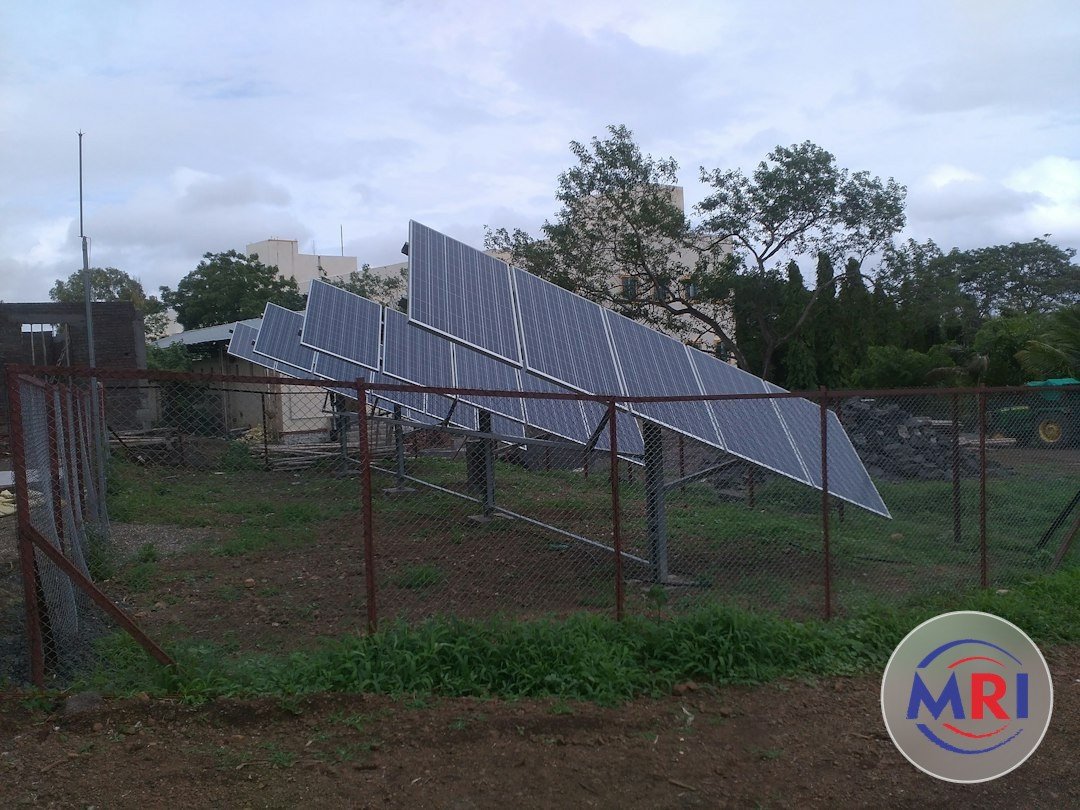
Photo by shivaprakash yaragal on Unsplash
The PM-KUSUM scheme has put solar water pumps within reach of lakhs of Indian farmers. Standalone solar pumps are replacing diesel pumpsets in areas without reliable grid supply, and grid-connected pumps are being solarised across Rajasthan, Maharashtra, Haryana, Gujarat and other states. A solar pump is only as useful as the pipework that carries its water, and on most farms that pipework ends in a flexible hose. Choosing the right solar pump hoses decides how much of the pump’s output actually reaches the field, and how many seasons the installation lasts before something splits or collapses.
Farmers often connect a new solar pump to whatever delivery pipe is lying in the shed — old PVC suction hose, thin garden pipe or a leftover length of tractor hose. The result is lost head, kinked lines and mid-season failures. This guide explains which solar pump hoses suit surface and submersible solar pumps under PM-KUSUM, what sizes and pressure ratings make sense for common pump capacities, and how to make a hose last through Indian summers and monsoons.
What Are Solar Pump Hoses?
Solar pump hoses are the flexible suction and delivery lines used with solar photovoltaic water pumping systems. On a surface pump they include the suction hose that draws water from a well, pond or canal, and the delivery hose that carries water to the field channel, sprinkler line or drip header. On a submersible pump there is no suction hose — the pump sits below water — but the riser or delivery line from the borewell to the surface, and the distribution hose beyond it, still have to be selected correctly.
The duties are modest compared with hydraulic service, but they are not trivial. A typical PM-KUSUM pump of 3 HP to 7.5 HP develops total heads from around 10 metres for shallow surface pumping up to 100 metres or more for deep borewells. The hose must handle that pressure with a margin, resist ultraviolet exposure in open fields, tolerate silty water, and survive being dragged over bunds and stubble:
- Suction hose — reinforced with a rigid helix so it does not collapse under vacuum when the pump draws water
- Delivery hose — rubber or layflat construction rated comfortably above the pump’s shut-off head
- Distribution hose — the lighter line that moves water across the field to the point of use
Why Hose Choice Matters More with Solar Pumps
A diesel pumpset can be throttled up to push through a restrictive pipe, at the cost of extra fuel. A solar pump cannot. Its output is fixed by the array size and the sunlight available, so every metre of head wasted in a narrow, kinked or leaking hose is water the farmer never sees. An undersized delivery hose on a 5 HP pump can silently absorb a large share of the pumping head as friction loss, which shows up as a weak stream at the outlet during the very afternoon hours when the array is producing its best power.
Solar pumping is also a daytime, all-season activity. The hose lies in direct sun through the hottest months, which ages cheap PVC quickly. Ozone and UV cracking, softening in summer heat and stiffening in winter are the usual failure paths. A properly compounded rubber hose with synthetic reinforcement handles this exposure far better, which is why the same construction used in an air, water and petroleum hose is a sound basis for solar pump delivery duty.
Matching Hose to Pump Type Under PM-KUSUM
Surface pumps on open water
Surface centrifugal pumps under Component B of PM-KUSUM draw from ponds, canals and open wells up to a practical suction lift of about 6 to 7 metres. The suction side needs a helix-reinforced suction hose one size larger than the pump inlet where possible, laid with a continuous rise and an airtight connection. Any air leak on the suction side makes a solar pump lose prime repeatedly through the day as irradiance changes.
Submersible pumps in borewells
Submersible solar pumps dominate deep water table areas. The column pipe inside the borewell is usually rigid HDPE or GI, but the surface run from the wellhead to the field is commonly a flexible delivery hose. Here the working pressure equals the pressure remaining at the surface, typically 2 to 6 bar, so a water delivery hose rated 10 bar gives a comfortable margin.
Pumps feeding drip and sprinkler systems
Where the solar pump feeds a drip or mini-sprinkler system, the hose between pump and filter station must hold the system operating pressure steadily, without pulsation damage from daily start-stop cycles. A reinforced rubber hose absorbs these cycles better than rigid pipe joined with push-fit fittings, and it tolerates the slight movement of a pump skid on a kutcha surface.
Specifications to Check Before Buying
A short specification prevents most field problems. Before buying, check the following against the pump nameplate and the layout of the farm:
- Bore size — match or exceed the pump outlet; common sizes are 40 mm, 50 mm, 65 mm and 75 mm for 3 to 10 HP pumps
- Working pressure — at least 1.5 times the pressure at the pump outlet at shut-off, with 10 bar a sensible general rating
- Suction rating — for suction hose, a full vacuum rating with a rigid PVC or steel helix
- Cover compound — UV and ozone resistant rubber cover, not a plain unprotected tube
- Reinforcement — synthetic textile braid or ply; avoid unreinforced tubing on the delivery side
- Temperature range — roughly minus 10 to plus 70 degrees Celsius covers Indian field exposure including hose lying in summer sun
- Fittings — proper hose tails with worm-drive or bolt clamps; leaking joints waste solar output all day
The same discipline used for selecting farm hydraulic lines applies here. Farmers already familiar with specifying a tractor trolley hydraulic hose will recognise the pattern: bore, pressure, temperature, compatibility and end connections, in that order.
Installation and Maintenance for a Long Service Life
Most solar pump hose failures are avoidable. Lay the delivery hose in gentle curves rather than sharp bends, and never let it kink at the pump outlet — a short rigid bend or elbow at the pump protects the hose from its tightest radius. Keep the hose off freshly burnt stubble and away from implement traffic. Where a line crosses a path, bury it shallow or protect it with a split pipe sleeve.
At the end of each irrigation season, drain the hose, coil it loosely in shade and store it off the ground. Inspect before reuse for cover cracking, soft bulges and crushed sections, and cut back and re-fit any damaged end. Silty water gradually abrades the tube, so a hose used on a sandy borewell deserves a look inside the bore at least once a year. Farmers who follow the same seasonal routine recommended for hydraulic lines lose far fewer hoses; the reasoning in our guide to the service life of tractor trolley hydraulic hoses applies just as well to water lines.
Details of subsidy levels, approved pump capacities and state implementation agencies for solarised irrigation are published by the Ministry of New and Renewable Energy on the official PM-KUSUM portal. Buying the pump through the scheme but the hose from the cheapest roadside stall undoes part of the benefit, so the hose deserves the same attention as the panels.
Choose Solar Pump Hoses from Mangla Rubber Industries
Mangla Rubber Industries manufactures rubber water delivery and suction hoses suited to solar pump installations, including the multipurpose air, water and petroleum hose range used widely on Indian farms. The hoses are built with UV and ozone resistant covers and synthetic reinforcement, in the bore sizes and pressure ratings that match PM-KUSUM pump capacities from 3 HP to 10 HP.
Dealers and farmer producer organisations can order standard lengths or cut-to-length supply with fitted ends. For help matching a hose to a specific pump model, water source and field layout, contact Mangla Rubber Industries with the pump capacity and total head, and our team will recommend the right construction.
Conclusion
Solar pumps reward careful pipework because their output cannot be forced. Well-chosen solar pump hoses — a helix-reinforced suction line, a UV-resistant reinforced delivery hose of the right bore, and sound clamped fittings — deliver more water per day of sunshine and last through several seasons of Indian field conditions. Specify the hose with the same care as the pump, and the PM-KUSUM investment pays back faster.
Frequently Asked Questions
Which hose size should I use with a 5 HP solar pump?
Match the pump outlet as a minimum, which is typically 50 mm or 65 mm for a 5 HP pump. Going one size larger on long delivery runs reduces friction loss and delivers noticeably more water at the outlet.
Can I use ordinary PVC garden pipe with a solar pump?
Thin unreinforced PVC pipe kinks easily, ages quickly in sunlight and often fails within a season or two. A reinforced rubber delivery hose with a UV resistant cover costs more initially but wastes less head and lasts several times longer.
Do I need a special suction hose for a surface solar pump?
Yes. The suction side operates under vacuum, so the hose needs a rigid helix to stop it collapsing. A collapsed or air-leaking suction hose causes repeated loss of prime as solar output varies through the day.
What pressure rating should a solar pump delivery hose have?
Choose a working pressure at least 1.5 times the pump’s shut-off pressure at the surface. For most PM-KUSUM installations a 10 bar rated water delivery hose provides a comfortable safety margin.
How long do solar pump hoses last in Indian conditions?
A quality rubber hose that is drained, coiled and stored in shade during the off-season typically serves five years or more. Hoses left pressurised in direct sun year-round, or dragged over sharp stubble, can fail in one to two seasons.