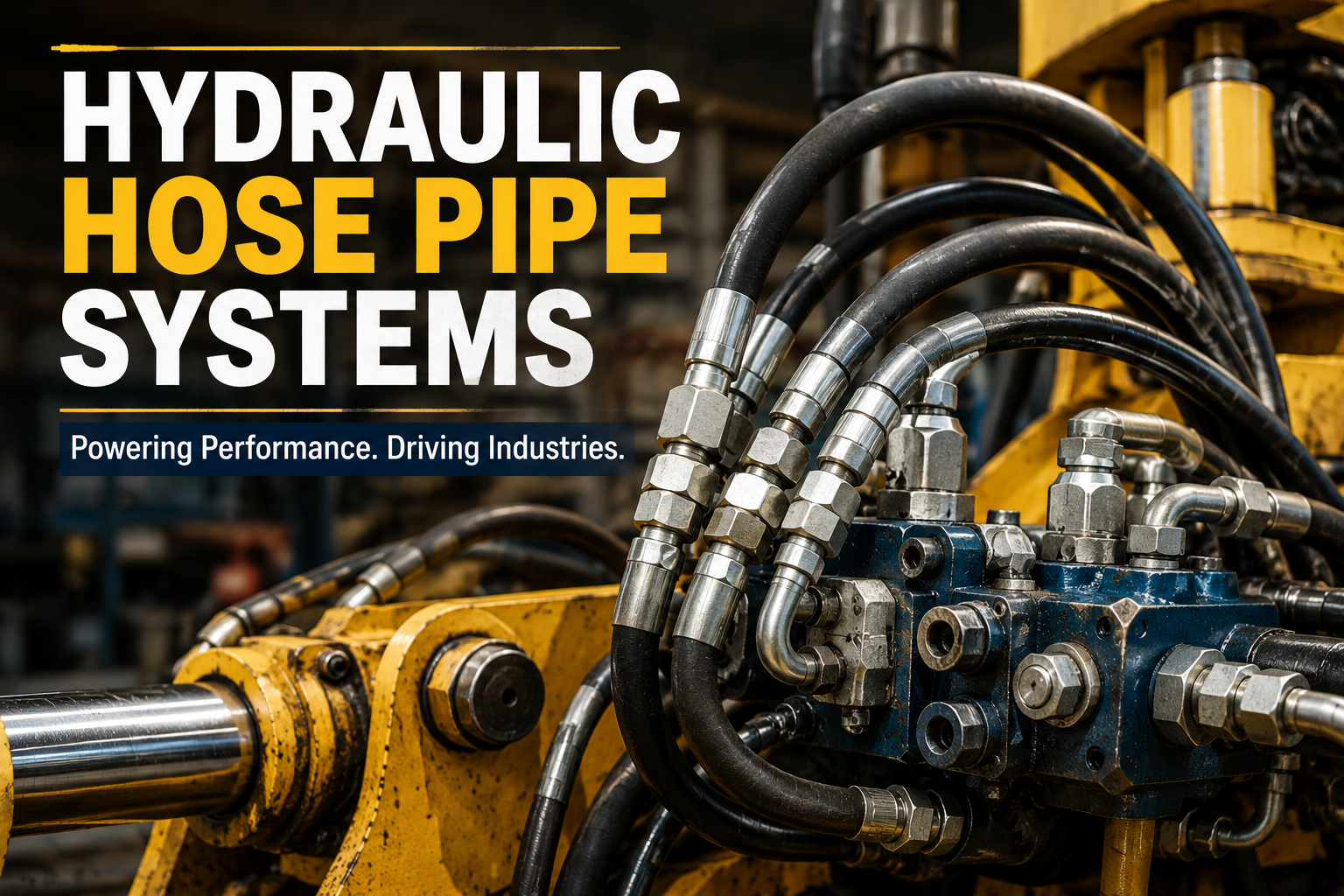
Modern industries rely heavily on machines and equipment that operate under pressure. From manufacturing plants to construction sites, hydraulic systems help power equipment that handles lifting, movement, automation, and fluid transfer. At the center of many of these operations are hydraulic hose pipe systems.
These systems are designed to transfer hydraulic fluid between different machine components while handling pressure, heat, and continuous movement. A properly designed hydraulic hose system helps improve machine performance and reduces the chances of leakage or operational failure.
Today, hydraulic hose pipe systems are used across several industries because of their flexibility, durability, and ability to work in demanding environments.
What Are Hydraulic Hose Pipe Systems?
Hydraulic hose pipe systems are assemblies made to carry hydraulic fluid within machinery and industrial equipment. These systems usually include hoses, fittings, connectors, and other components that work together to maintain pressure and fluid flow.
Unlike rigid piping systems, hydraulic hose assemblies offer flexibility, making them suitable for equipment with moving parts or limited installation space.
The performance of these systems depends on factors such as:
- Pressure handling capacity
- Hose material
- Fluid compatibility
- Temperature resistance
- Proper installation
Choosing the right hydraulic hose solutions is important for maintaining safe and reliable operation.
Use of Hydraulic Hose Systems in Manufacturing
Manufacturing industries use hydraulic systems in machines that require controlled movement and force. Press machines, injection molding equipment, lifting systems, and automated production lines often depend on hydraulic pressure systems.
Industrial hydraulic hose setups help maintain smooth fluid transfer between machine components while handling continuous operation. Since production machinery often runs for long hours, durable hose systems become important for reducing downtime and maintenance issues.
Hydraulic Hose Pipe Systems in Construction Equipment
Construction equipment operates in demanding environments where machines are exposed to dust, heavy loads, and rough conditions. Hydraulic hose pipe systems are commonly used in excavators, cranes, loaders, and drilling equipment.
These systems help transfer hydraulic fluid required for lifting, steering, digging, and machine movement. Flexible hydraulic hose assemblies also allow machines to operate efficiently even under constant movement and vibration.
High pressure hydraulic hose products are often preferred in construction equipment because they can handle heavy-duty operations more effectively.
Agricultural Applications of Hydraulic Hose Systems
Agricultural machinery also depends on hydraulic systems for daily operations. Tractors, harvesters, sprayers, and loaders use hydraulic pressure for lifting and controlling equipment functions.
Hydraulic rubber hose systems used in agriculture are designed to work in outdoor conditions where exposure to dirt, moisture, and temperature variation is common.
Reliable hydraulic piping systems help farmers and agricultural operators maintain equipment efficiency during long working hours.
Mining and Industrial Processing Applications
Mining operations and industrial plants often use large hydraulic systems for material handling and machine control. In such environments, hydraulic hose pipe systems must be capable of handling high pressure and continuous operation.
Industrial hydraulic applications in mining usually require reinforced hydraulic hose products that can withstand abrasion and demanding working conditions.
Proper hose selection becomes important in these industries because system failure can affect both productivity and safety.
Importance of Hydraulic Hose Maintenance
Regular inspection and maintenance play an important role in the performance of hydraulic hose systems. Over time, hoses and fittings may wear out because of pressure, heat, or environmental conditions.
Some common signs that indicate maintenance may be required include:
- Fluid leakage
- Cracks or surface wear
- Reduced pressure performance
- Loose fittings
- Hose swelling
Routine inspection helps reduce unexpected breakdowns and improves the lifespan of hydraulic equipment.
Choosing the Right Hydraulic Hose Solutions
Different industries require different hydraulic hose systems depending on operating conditions and machine requirements. Factors such as pressure rating, hose flexibility, fluid type, and environmental exposure should always be considered before installation.
Using quality industrial hydraulic hose products can help improve operational efficiency and reduce maintenance costs over time.
Businesses working with hydraulic machinery often prefer hose systems that provide reliable fluid transfer and long-term durability in industrial environments.
For product inquiries andindustrial requirements, visit
Mangla Rubber Industries Contact Page
Conclusion
Hydraulic hose pipe systems have become an important part of modern industrial operations. From manufacturing and construction to agriculture and mining, these systems support equipment that depends on pressure-based fluid movement.
Proper installation, maintenance, and hose selection help improve machine performance and reduce operational issues in the long run.
Businesses looking for hydraulic hose products, fittings, or industrial rubber solutions can explore the range offered by Mangla Rubber Industries.
To stay updated with industrial product insights and related content, connect with Mangla Rubber Industries on
LinkedIn