Selecting the right industrial hose might seem like a small decision, but it plays a crucial role in ensuring efficiency, safety, and durability in any operation. Whether you’re working in construction, manufacturing, agriculture, or chemical processing, the right hose can make all the difference. With so many options available from various rubber hose pipe manufacturers, it’s important to understand what truly matters before making a choice.
Understand Your Application Needs
The first step in choosing the right hose is understanding exactly how it will be used. Ask yourself a few key questions: What type of material will flow through the hose? Will it carry water, chemicals, oil, or air? What temperature and pressure conditions will it face?
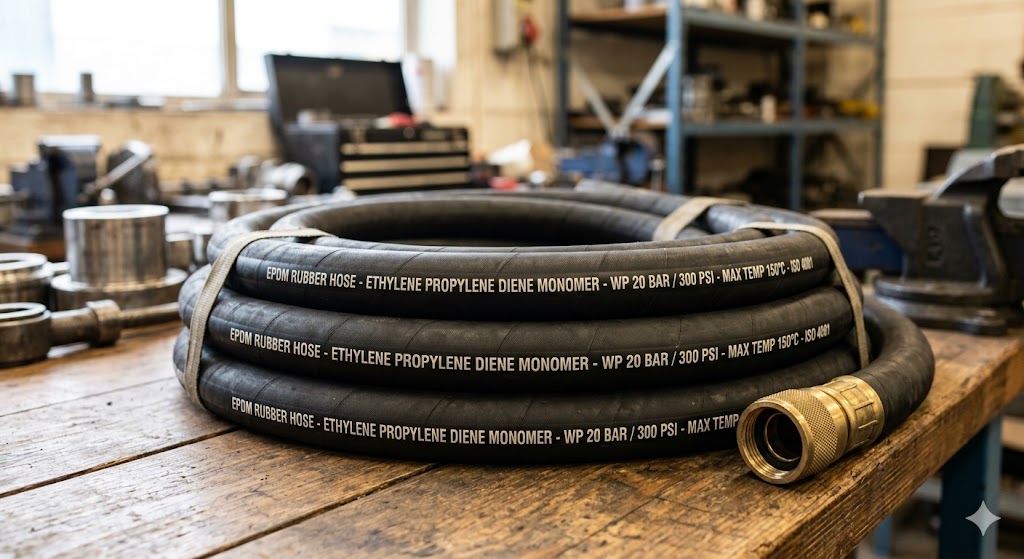
Different applications demand different hose properties. For example, a hose used for transporting chemicals must be resistant to corrosion, while one used for air compression should handle high pressure. Leading rubber hose pipe manufacturers design hoses for very specific purposes, so knowing your requirements will help you narrow down the options quickly.
Check Material Compatibility
One of the most common mistakes people make is ignoring material compatibility. Not all rubber hoses are created equal. Some are designed to withstand harsh chemicals, while others are better suited for water or mild fluids.
If the hose material is not compatible with the substance it carries, it can degrade quickly, leading to leaks or even dangerous failures. That’s why reputable rubber hose pipe manufacturers always provide detailed specifications about material compatibility. Always cross-check these details before making a purchase.
Consider Pressure Ratings
Pressure rating is another critical factor. Every hose has a maximum pressure limit, and exceeding it can result in serious accidents. Make sure the hose you choose can comfortably handle both the working pressure and any potential pressure surges.
Experienced rubber hose pipe manufacturers often recommend choosing a hose with a higher pressure rating than your actual requirement. This extra margin of safety ensures long-term performance and reduces the risk of unexpected failures.
Evaluate Temperature Resistance
Temperature plays a huge role in hose performance. Extreme heat or cold can weaken the rubber, causing cracks or loss of flexibility. If your application involves high temperatures, such as steam transfer, you’ll need a hose specifically designed to handle heat.
Top rubber hose pipe manufacturers produce hoses with specialized compounds that can withstand extreme conditions. Always check the temperature range mentioned in the product specifications to avoid premature wear and tear.
Look at Flexibility and Bend Radius
Flexibility is often overlooked but is essential for ease of use. A hose that is too rigid can be difficult to install and may kink during operation. On the other hand, a highly flexible hose can adapt better to tight spaces and frequent movement.
The bend radius indicates how much a hose can be bent without damage. Reliable rubber hose pipe manufacturers provide this information clearly, helping you choose a hose that fits your workspace without compromising performance.
Pay Attention to Reinforcement
Industrial hoses are often reinforced with layers of fabric, wire, or synthetic materials to improve strength and durability. The type of reinforcement affects how well the hose handles pressure, abrasion, and external damage.
When comparing options from different rubber hose pipe manufacturers, take a close look at the reinforcement details. A well-reinforced hose will last longer and perform better in demanding environments.
Check for Abrasion and Weather Resistance
If your hose will be used outdoors or in rough conditions, abrasion and weather resistance become important factors. Exposure to sunlight, rain, and rough surfaces can significantly reduce the lifespan of a hose.
Many rubber hose pipe manufacturers offer hoses with protective outer layers designed to resist wear and environmental damage. Investing in such features can save you money in the long run by reducing replacement frequency.
Verify Industry Standards and Certifications
Quality and safety should never be compromised. Always choose hoses that meet recognized industry standards and certifications. This ensures that the product has been tested for performance and reliability.
Trusted rubber hose pipe manufacturers adhere to strict quality guidelines, giving you peace of mind that the hose will perform as expected under real-world conditions.
Consider Supplier Reputation
Not all suppliers are equal. The reputation of the manufacturer plays a significant role in the quality of the product you receive. Established rubber hose pipe manufacturers are more likely to offer consistent quality, better customer support, and reliable warranties.
Take time to read reviews, check client testimonials, and evaluate the company’s track record. A dependable manufacturer can become a long-term partner for your business needs.
Balance Cost and Quality
While it might be tempting to choose the cheapest option, this can lead to higher costs in the long run due to frequent replacements or failures. Instead, focus on value for money.
Experienced rubber hose pipe manufacturers often provide a range of products at different price points, allowing you to find a balance between cost and quality. Remember, a slightly higher upfront investment can result in significant savings over time.
Final Thoughts
Choosing the right industrial hose is not just about picking something that fits. It requires careful consideration of application, material, pressure, temperature, and durability. By paying attention to these factors and working with reliable rubber hose pipe manufacturers, you can ensure optimal performance and safety in your operations.
Taking the time to make an informed decision today will save you from costly repairs and downtime tomorrow. A well-chosen hose is more than just a component—it’s a critical part of your system’s success.