
When it comes to fluid transfer systems, selecting the right hose is not just a routine purchase—it’s a decision that can impact safety, performance, and long-term operational costs. Businesses across industries often find themselves choosing between standard hoses and custom rubber hoses, while also exploring advanced options like the stainless steel flexible pipe for more demanding and critical applications.
Understanding how these options differ will help you make a practical, informed choice, especially when evaluating whether a stainless steel flexible pipe is the right fit for your system.
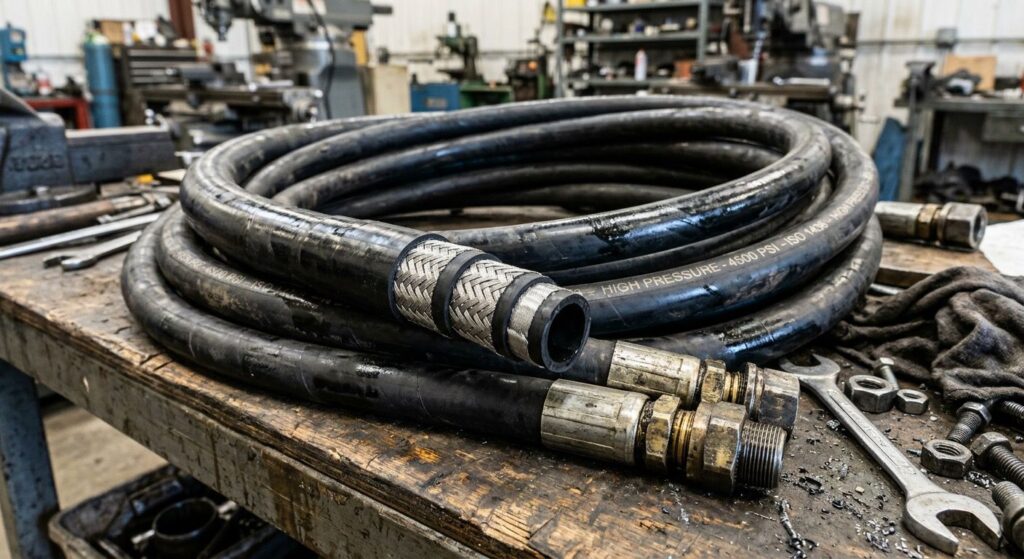
What Are Standard Hoses?
Standard hoses are mass-produced products designed for general-purpose use. They come in fixed sizes, materials, and pressure ratings, making them easy to source and quick to install.
Benefits of Standard Hoses
One of the biggest advantages of standard hoses is affordability. Because they are manufactured in bulk, they are typically more budget-friendly. They are also readily available, which is helpful when you need a quick replacement to avoid downtime. For low-pressure systems or basic water and air transfer tasks, standard hoses perform adequately.
Drawbacks to Consider
However, standard hoses often require compromise. Since they are not designed for specific applications, they may not perform well under extreme temperatures, high pressure, or exposure to chemicals. In such situations, businesses often turn to alternatives like a stainless steel flexible pipe for better durability and reliability.
Understanding Custom Rubber Hoses
Custom rubber hoses are engineered to meet specific requirements. Whether it’s size, pressure tolerance, or chemical compatibility, every detail is tailored to your system.
Advantages of Custom Solutions
Custom rubber hoses offer precision. They are designed to fit seamlessly into your operations, reducing the risk of leaks or failures. These hoses can also be built to withstand challenging conditions, making them suitable for industries like oil and gas, pharmaceuticals, and heavy manufacturing.
Another advantage is longevity. Because they are made with specific use cases in mind, custom hoses tend to last longer than standard ones. In some cases, pairing them with a stainless steel flexible pipe can further enhance system efficiency and durability.
Potential Downsides
The main drawback is cost. Customization requires additional design and manufacturing processes, which increases the upfront investment. Lead times can also be longer, meaning they are not ideal for urgent needs.
Why Stainless Steel Flexible Pipe Is Gaining Popularity
In recent years, the stainless steel flexible pipe has become a preferred option for industries that demand high performance and reliability. It bridges the gap between flexibility and strength, offering features that neither standard nor rubber hoses can fully match.
Key Benefits
A stainless steel flexible pipe is known for its exceptional durability. It can handle high-pressure environments and extreme temperatures without degrading. This makes it ideal for applications where failure is not an option.
Another major advantage is corrosion resistance. In industries dealing with chemicals or harsh environmental conditions, a stainless steel flexible pipe ensures long-term performance without frequent replacements.
Flexibility is another important feature. Despite its strength, a stainless steel flexible pipe can bend and adapt to complex layouts, making installation easier in tight or dynamic spaces.
Additionally, a stainless steel flexible pipe requires minimal maintenance compared to traditional hose systems, making it a preferred long-term investment.
Comparing the Three Options
Choosing between standard hoses, custom rubber hoses, and a stainless steel flexible pipe depends on your specific operational needs.
Performance
Standard hoses are suitable for basic applications, but they may struggle under demanding conditions. Custom rubber hoses perform better due to their tailored design, but a stainless steel flexible pipe offers the highest level of performance, especially in extreme environments.
Cost Efficiency
While standard hoses have the lowest initial cost, they may require frequent replacement. Custom hoses and a stainless steel flexible pipe involve higher upfront investment, but their durability often results in lower long-term costs.
Durability
Durability is where the stainless steel flexible pipe stands out. It resists wear, corrosion, and environmental damage far better than rubber-based solutions. Custom rubber hoses come next, while standard hoses typically have the shortest lifespan.
Maintenance
Frequent maintenance can disrupt operations and increase expenses. A stainless steel flexible pipe minimizes these issues due to its long service life and resistance to damage.
When Should You Choose Each Option?
- Choose standard hoses if your application is simple, low-pressure, and cost-sensitive.
- Opt for custom rubber hoses when you need a tailored solution with moderate durability.
- Go for a stainless steel flexible pipe when safety, performance, and longevity are critical.
In many modern systems, businesses are increasingly replacing traditional hoses with a stainless steel flexible pipe to ensure reliability and reduce downtime.
Final Thoughts
The choice between custom rubber hoses and standard hoses ultimately depends on your operational requirements. While standard hoses may work for basic needs, they often fall short in demanding environments. Custom rubber hoses provide a more precise solution, but for applications that require unmatched strength and durability, the stainless steel flexible pipe proves to be a superior option.
By evaluating factors such as pressure, temperature, budget, and maintenance needs, you can determine the most suitable solution for your system. Investing in the right option—whether it’s a custom hose or a stainless steel flexible pipe—will not only improve efficiency but also ensure long-term reliability and peace of mind. A well-chosen stainless steel flexible pipe can ultimately transform system performance and reduce operational risks.