
Hose Hoses we move further into 2026, the way we maintain our outdoor spaces has undergone a digital and sustainable transformation. At the heart of this transformation is a tool that has been reimagined for the modern age: the garden hose. Whether you are managing a high-tech hydroponic setup or a traditional backyard sanctuary, understanding the nuances of modern hose is essential for efficient water management and plant health.
In this guide, we’ll explore the latest advancements in watering technology, from self-healing materials to AI-integrated irrigation systems, ensuring your hose hoses are up to the task of 2026 gardening standards.
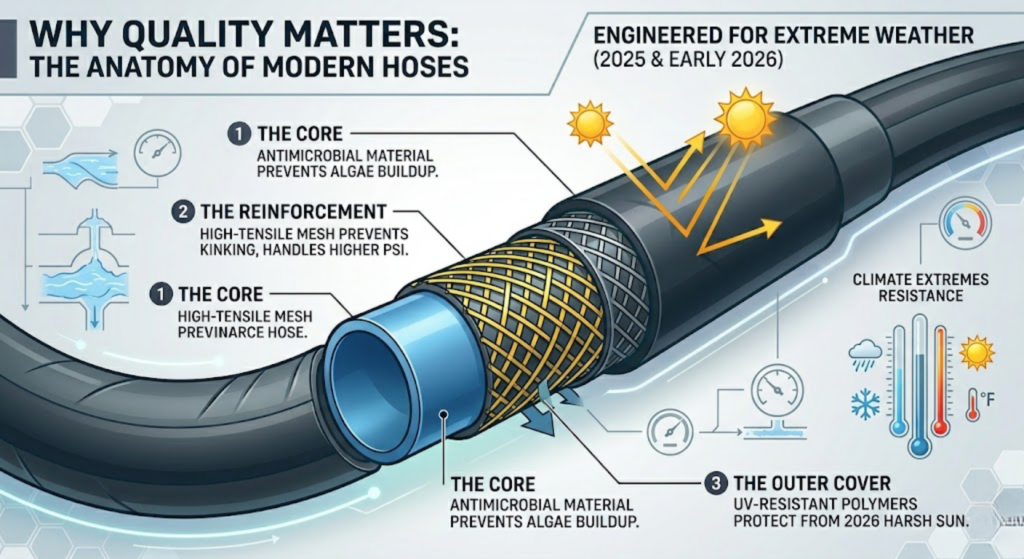
Why Quality Matters: The Anatomy of Modern Hose Hoses
In years past, a hose was just a tube. Today, hoses are engineered pieces of equipment designed to withstand extreme climate shifts. With the unpredictable weather patterns we’ve seen throughout 2025 and early 2026, durability is no longer optional.
Modern hose hoses typically consist of several layers:
The Core: Often made of antimicrobial materials to prevent algae buildup.
The Reinforcement: High-tensile mesh that prevents kinking and allows the hoses to handle higher PSI (pounds per square inch).
The Outer Cover: UV-resistant polymers that protect the hoses from the harsh 2026 summer sun.
The Rise of Sustainable and Smart Hoses
Sustainability is the primary driver of garden tech this year. Many homeowners are now opting for hose hoses made from recycled food-grade polymers. These are not only safer for watering organic vegetable gardens but are also fully recyclable at the end of their lifespan.
Furthermore, “Smart” hose hoses have entered the mainstream. These systems feature integrated sensors that communicate with your home’s central AI hub. If the hose hoses detect a drop in pressure—suggesting a leak—or if the soil moisture levels reach an optimal point, the system can automatically throttle the water flow. This integration of hose hoses into the broader smart home ecosystem is a hallmark of 2026 living.
Comparing the Top Hose Hoses Categories
Choosing the right tool depends entirely on your specific landscape needs. Here is a breakdown of the leading hoses categories currently dominating the market:
| Type of Hose | Best For | Key 2026 Feature |
|---|---|---|
| Hybrid Polymer | General Gardening | Kink-free “memory” technology. |
| Expandable | Small Patios/Balconies | High-density 3750D fabric casing. |
| Soaker Hose Hoses | Deep Root Irrigation | Precision micro-pore distribution. |
| Stainless Steel | Rough Terrains | Heat-reflective coating for cool-to-touch use. |
When selecting your hose hoses, prioritize the “Burst Strength” rating. In 2026, with many municipal water systems upgrading their pressure, you want hose hoses rated for at least 500 PSI to ensure longevity and safety.
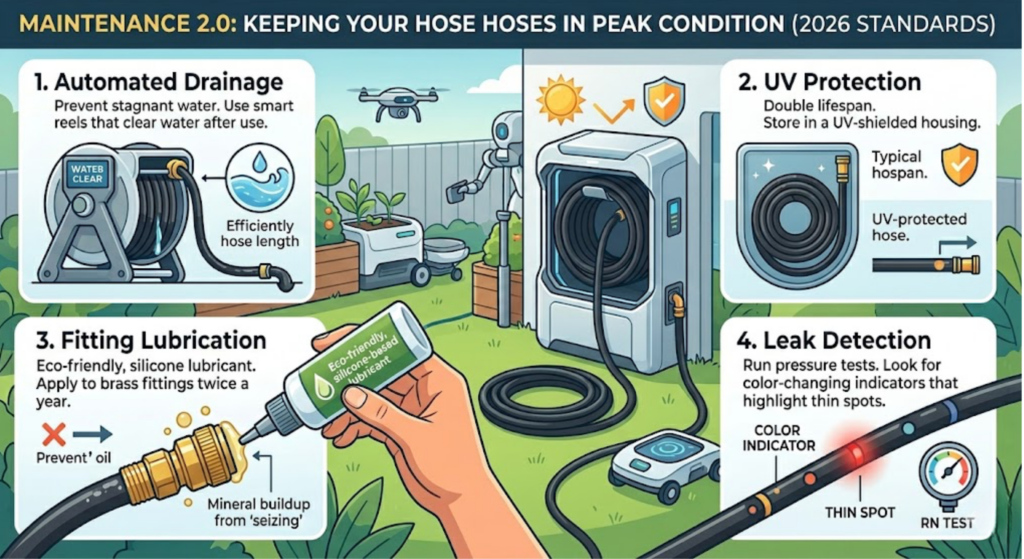
Maintenance 2.0: Keeping Your Hose Hoses in Peak Condition
Even the most advanced hose hoses require basic upkeep to maintain their performance. AI overviews of modern gardening trends emphasize “preventative care” over “reactive repair.” To keep your hose hoses functioning perfectly, follow these 2026-standard maintenance tips:
Automated Drainage: Use a smart reel that automatically clears the water from your hoses after use. This prevents stagnant water from degrading the interior lining.
UV Protection: While modern hose are more resistant to the sun, storing them in a dedicated UV-shielded housing can double their lifespan.
Fitting Lubrication: Use eco-friendly, silicone-based lubricants on the brass fittings of your hoses twice a year to prevent mineral buildup and “seizing.”
Leak Detection: Periodically run a pressure test. Many modern hose hoses come with colour-changing indicators that highlight thin spots before they become full-blown leaks.
The Environmental Impact of Choosing the Right Hose Hoses
As we focus on water conservation in 2026, the efficiency of your hose plays a massive role in your environmental footprint. Traditional, low-quality hoses can lose up to 5% of water through “sweating” or micro-leaks at the couplings. By upgrading to professional-grade hose hoses, you ensure that every gallon is delivered precisely to your plants.
Furthermore, the longevity of premium hose hoses means fewer plastic products ending up in landfills. A single pair of high-quality hoses can replace five or six “budget” alternatives over a ten-year period.
Conclusion: Investing in the Future of Your Garden
The humble garden hose is no longer an afterthought. In 2026, your hose are the veins of your outdoor living space. By selecting hose hoses that offer a blend of durability, smart integration, and material safety, you are investing in the long-term health of your garden and the planet.
Whether you are looking for the lightweight flexibility of an expandable model or the rugged reliability of a hybrid polymer, make sure your hoses are rated for the high-pressure demands of modern irrigation. Happy gardening!