In industries where reliability and safety are essential, even the smallest component can have a major impact. One such component is the flexible hose. From construction sites to manufacturing plants, these hoses play a critical role in ensuring smooth and efficient operations, especially in high-pressure environments.
Heavy duty rubber hoses are specifically designed to handle demanding conditions. Unlike standard hoses, they are built to withstand intense pressure, harsh weather, and constant wear. Choosing the right flexible hose is not just about functionality—it’s about long-term performance and safety.
What Defines a High-Pressure Flexible Hose?
A flexible hose used in high-pressure applications must meet strict performance standards. It needs to maintain its shape and strength even when exposed to extreme internal pressure. This is typically achieved through reinforced layers made of synthetic fibers or steel wire, which provide durability without sacrificing flexibility.
The quality of the rubber material is equally important. Premium rubber compounds are resistant to abrasion, chemicals, and temperature variations. This ensures that the hose performs consistently across different environments. A well-designed flexible hose also includes strong outer coverings that protect against external damage.
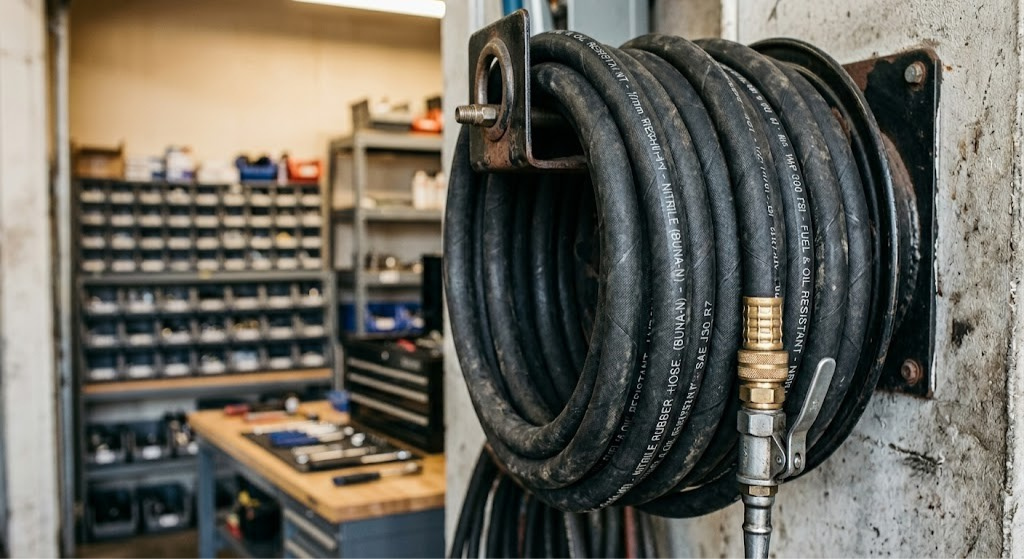
Another key feature is its ability to handle sudden pressure surges. High-pressure systems often experience fluctuations, and a reliable hose must be able to absorb these changes without failing. This is where heavy duty rubber hoses truly stand out.
Common Applications Across Industries
Heavy duty rubber hoses are widely used due to their adaptability. In construction, they are essential for tasks like concrete pumping, compressed air delivery, and water transfer. These applications demand equipment that can endure rough handling and high stress.
In the oil and gas sector, a flexible hose is used to transport fuels and other fluids safely. These environments often involve extreme temperatures and exposure to chemicals, making durability a top priority.
Agriculture also depends heavily on these hoses. From irrigation systems to spraying equipment, farmers rely on durable solutions that can handle continuous use. A dependable flexible hose helps maintain productivity during critical farming operations.
Manufacturing industries use these hoses in hydraulic systems and machinery where consistent pressure handling is crucial. Their flexibility allows them to fit into complex systems without compromising performance.
Benefits of Heavy Duty Rubber Hoses
One of the biggest advantages of using a flexible hose made from heavy duty rubber is its long lifespan. These hoses are designed to endure tough conditions, reducing the need for frequent replacements and lowering overall costs.
Flexibility is another major benefit. Despite their strength, these hoses can bend easily, making them suitable for tight or complex installations. This adaptability simplifies setup and improves efficiency in various applications.
Safety is also significantly improved. A high-quality flexible hose minimizes the risk of leaks, bursts, and sudden failures. This is especially important in high-pressure environments where equipment failure can lead to serious hazards.
Additionally, these hoses offer excellent resistance to environmental factors such as UV exposure, moisture, and chemicals. This ensures consistent performance over time, even in challenging conditions.
Choosing the Right Hose for Your Needs
Selecting the correct flexible hose requires careful consideration of several factors. Pressure rating should always be the top priority. It’s important to choose a hose that can comfortably handle the maximum pressure of your system.
Temperature resistance is another critical aspect. The hose must be able to withstand both the internal temperature of the fluid and the external environment without degrading.
The type of material being transported also matters. Different fluids can react with certain materials, so compatibility is essential to prevent damage and ensure safety.
Size is equally important. The correct length and diameter will improve efficiency and reduce strain on the system. An improperly sized flexible hose can lead to performance issues and increased wear.
Maintenance and Care Tips
Proper maintenance is key to extending the life of any hose. Regular inspections can help identify early signs of damage, such as cracks, bulges, or leaks. Addressing these issues promptly can prevent costly breakdowns.
Storage also plays a significant role. Keeping hoses in a cool, dry place away from direct sunlight and sharp objects can help preserve their quality. A well-maintained flexible hose will perform more reliably over time.
Cleaning after use is another good practice, especially when the hose is exposed to chemicals or abrasive materials. This helps prevent buildup and material degradation.
Finally, always use the hose within its recommended limits. Overloading or exceeding pressure ratings can significantly reduce its lifespan and increase safety risks.
Conclusion
Heavy duty rubber hoses are essential for high-pressure applications across a wide range of industries. Their strength, flexibility, and durability make them a reliable choice for demanding tasks.
Investing in the right flexible hose ensures better performance, improved safety, and long-term cost savings. By understanding what to look for and how to maintain it properly, businesses can maximize efficiency and keep operations running smoothly.