Couplings
In the world of fluid transfer, the humble hose coupling has long been a “silent” component—critical, yet overlooked until the moment it fails. Historically, a blown coupling meant more than just a mess; it meant high-pressure chemical sprays, costly production halts, and environmental disasters that invited crippling regulatory fines.
However, as we move through 2026, the industrial landscape has reached a tipping point. The “dumb” mechanical connector has been replaced by the Smart Coupling, an IoT-enabled powerhouse that uses embedded sensor technology to predict failures before they happen. Here is how 2026’s sensor-integrated couplings are rewriting the rules of industrial safety and environmental stewardship.
1. From Reactive to Predictive: The End of "Run-to-Failure"
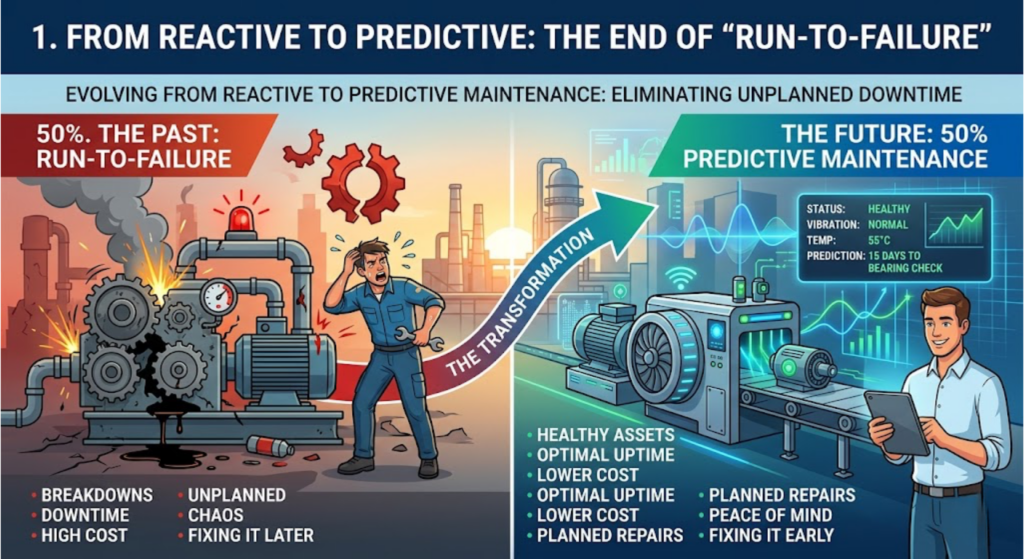
Traditional maintenance relied on manual inspections or fixed replacement schedules. In 2026, sensors embedded directly into the coupling housing—such as acoustic emission sensors and micro-electromechanical systems (MEMS) pressure transducers—provide a real-time “EKG” of the connection.
These sensors detect microscopic “pinging” sounds and ultrasonic vibrations that occur long before a physical crack is visible to the human eye. By analyzing these high-frequency signatures, AI-driven edge controllers can identify fatigue patterns in the metal or degradation in the internal gaskets. Instead of waiting for a catastrophic burst, operators receive a “Service Required” alert weeks in advance, effectively ending the era of reactive, emergency-based maintenance.
2. The Multi-Sensor Shield: Beyond Simple Leaks
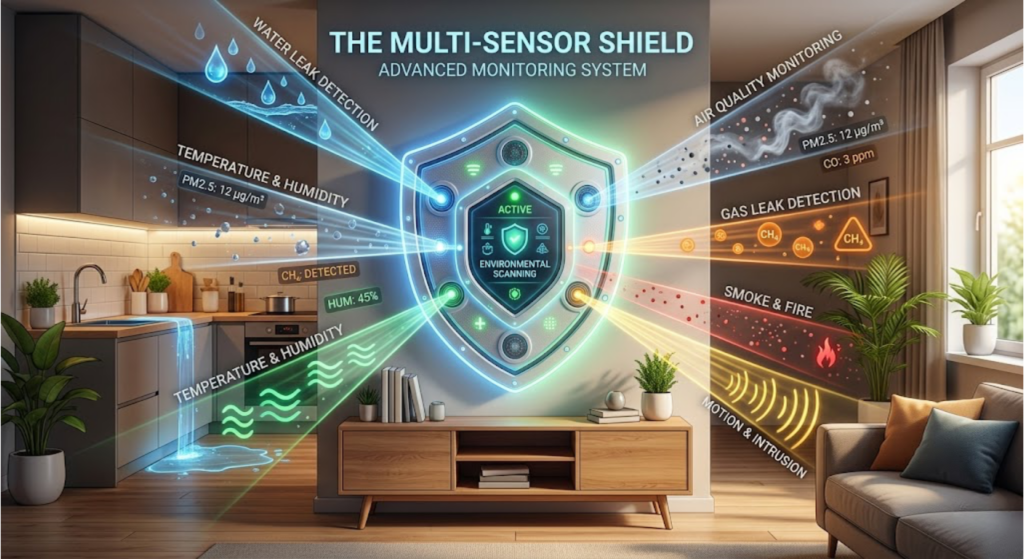
Modern smart couplings do more than just check for drips. The 2026 generation utilizes sensor fusion, combining multiple data points to create a comprehensive safety profile:
Strain Gauges: Measure the physical stress on a connection, alerting teams if a hose is being pulled or twisted beyond its safety rating.
Temperature Thermistors: Monitor for friction-induced heat or chemical reactions that could compromise the seal.
Conductivity Sensors: Detect even a single drop of fluid escaping into the interstitial space of a double-walled coupling, triggering an immediate shut-off.
This layered approach ensures that if a coupling is improperly seated or begins to loosen due to vibration, the system identifies the anomaly in milliseconds.
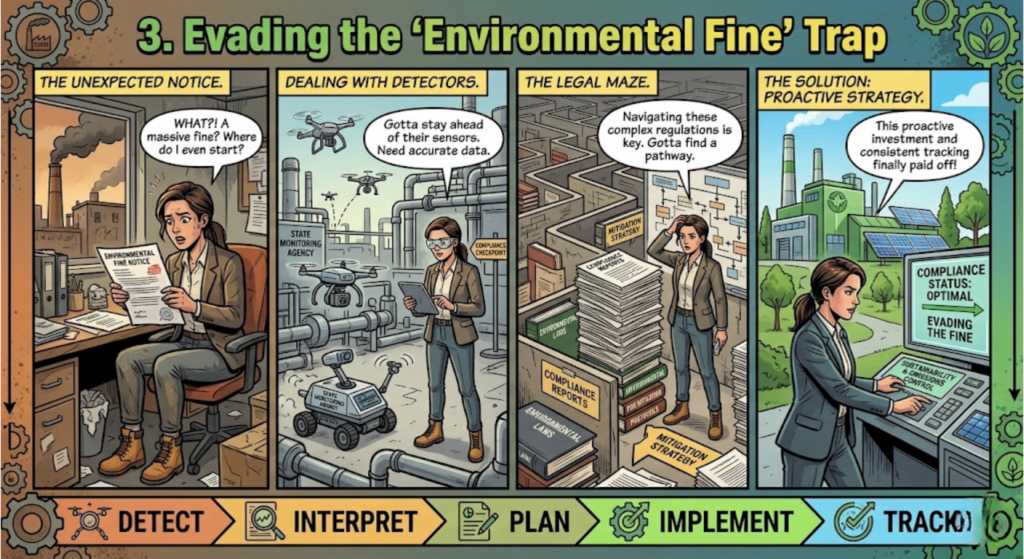
3. Evading the "Environmental Fine" Trap
Environmental regulations in 2026 have never been stricter. Under updated ESG (Environmental, Social, and Governance) frameworks, even a “minor” spill can result in fines reaching hundreds of thousands of dollars, not to mention the reputational damage.
Smart couplings act as a digital audit trail. They provide continuous telemetry that proves a facility is operating within safe parameters. In the event of a localized failure, the coupling’s automated shut-off logic (Edge Autonomy) can close valves at the source without waiting for a cloud signal or human intervention. This limits a potential multi-ton spill to a few milliliters, keeping companies well below the threshold for environmental penalties and showing regulators a “best-in-class” commitment to prevention.
4. Integration with the Digital Twin
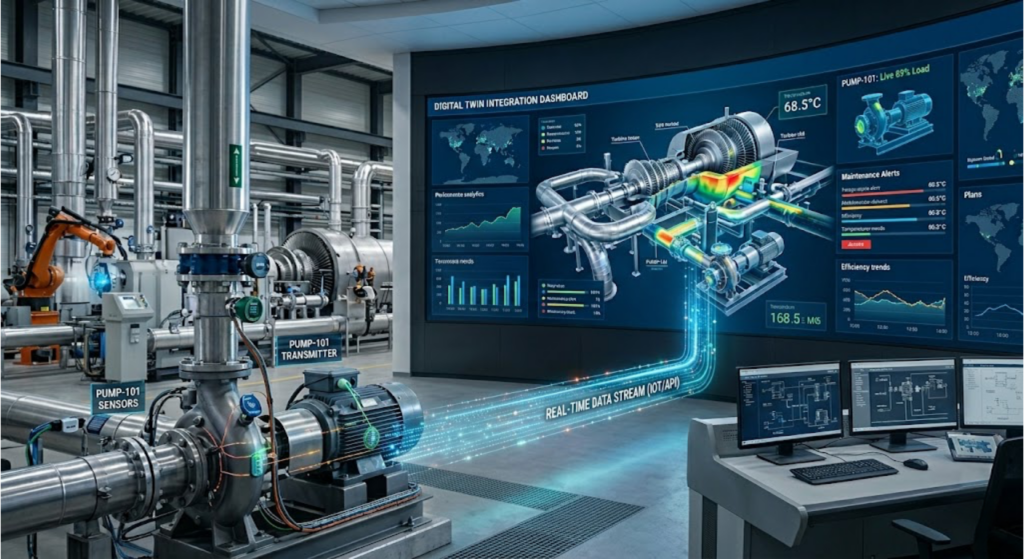
The true power of 2026 sensor technology lies in its connectivity. These couplings are no longer isolated islands; they are nodes in a facility’s Digital Twin. By feeding live flow and stress data into a virtual model of the plant, engineers can simulate “what-if” scenarios.
If a pump’s pressure is increased, the Digital Twin can immediately flag which specific couplings in the line will be under the most stress. This allows for precision engineering and ensures that the hardware on the floor is always matched to the demands of the process.
The Bottom Line
In 2026, a hose coupling is no longer just a piece of hardware; it is a sophisticated data point. By embedding intelligence into the very point of connection, industries are moving away from the “catastrophe and cleanup” cycle. The result is a safer workplace, a protected environment, and a significantly healthier bottom line—proving that sometimes, the best way to prevent a massive disaster is to listen to the smallest sensors.