
When it comes to plumbing, construction, or industrial applications, choosing the right type of pipe can make a huge difference in performance, durability, and cost. Among the many options available, the Breded Pipe has gained increasing attention for its strength and flexibility. But how does it compare to a regular pipe? And more importantly, which one should you choose?
In this blog, we’ll break down the key differences between a Breded Pipe and a regular pipe in a simple, easy-to-understand way so you can make an informed decision.
What is a Breded Pipe?
A Breded Pipe is a type of pipe reinforced with an outer braided layer, typically made of stainless steel, nylon, or other durable materials. This braided layer adds extra strength and flexibility, making the pipe more resistant to pressure, bending, and external damage.
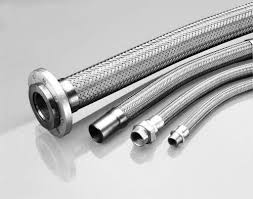
Unlike standard pipes, a Breded Pipe is designed to handle demanding conditions, such as high-pressure systems or environments where movement and vibration are common.
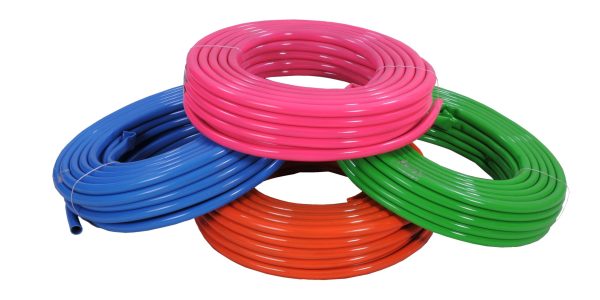
What is a Regular Pipe?
A regular pipe, on the other hand, refers to standard pipes made from materials like PVC, copper, or steel without any additional reinforcement. These pipes are widely used in homes and industries for everyday applications like water supply, drainage, and gas lines.
While regular pipes are cost-effective and easy to install, they may not offer the same level of durability and flexibility as a Breded Pipe.
Key Differences Between Breded Pipe and Regular Pipe
1. Strength and Durability
One of the biggest advantages of a Breded Pipe is its superior strength. The braided outer layer acts as a protective shield, making it highly resistant to wear and tear.
Regular pipes, while reliable, can crack or break under high pressure or physical stress. In contrast, a Breded Pipe is built to last longer, especially in tough conditions.
2. Flexibility
Flexibility is where a Breded Pipe truly shines. It can bend without breaking, making it ideal for installations in tight or complex spaces.
Regular pipes are usually rigid and require multiple fittings to navigate corners. This not only increases installation time but also raises the risk of leaks. A Breded Pipe reduces the need for extra joints, making the system more efficient.
3. Pressure Resistance
If your application involves high pressure, a Breded Pipe is often the better choice. The braided reinforcement helps it withstand higher pressure levels without bursting.
Regular pipes have pressure limits and may fail if those limits are exceeded. This makes a Breded Pipe a safer option for demanding systems like industrial machinery or high-pressure water lines.
4. Installation Process
Installing Breded Pipes are generally quicker and easier due to its flexibility. It can be maneuvered into place without requiring many connectors or fittings.
Regular pipes often need precise measurements, cutting, and multiple joints. This can increase both labor time and installation costs. Using a Breded Pipe can simplify the process significantly.
5. Cost Consideration
Cost is an important factor when choosing between the two. Breded Pipes are typically more expensive upfront because of its advanced construction and materials.
However, it can save money in the long run by reducing maintenance, repairs, and replacements. Regular pipes are cheaper initially but may incur higher costs over time, especially in demanding applications.
6. Resistance to Corrosion and Damage
A Breded Pipe often comes with added resistance to corrosion and external damage, especially when made with stainless steel braiding.
Regular pipes, depending on the material, may be more prone to corrosion, especially in harsh environments. This makes Breded Pipes more reliable choice for long-term use.
7. Applications
A Breded Pipes are commonly used in:
- Industrial systems
- High-pressure water lines
- Gas supply systems
- Automotive and machinery connections
Regular pipes are suitable for:
- Household plumbing
- Drainage systems
- Low-pressure water supply
Choosing a Breded Pipe is ideal when performance and durability are critical, while regular pipes work well for basic, everyday needs.
Which One Should You Choose?
The choice between Breded Pipes and a regular pipes depends on your specific requirements.
If you need something durable, flexible, and capable of handling high pressure, Breded Pipes are the better option. It’s especially useful in environments where reliability is crucial.
On the other hand, if your project is simple and budget is a concern, a regular pipe may be sufficient. It gets the job done for standard applications without unnecessary expense.
Final Thoughts
Both pipe types have their own advantages, but the Breded Pipes stands out for its strength, flexibility, and long-term reliability. While it may cost more initially, its performance often justifies the investment.
Understanding the differences helps you avoid costly mistakes and ensures your system runs smoothly for years to come. Whether you’re working on a home project or an industrial setup, choosing the right pipe is a decision that truly matters.
In the end, if durability and efficiency are your priorities, a Breded Pipse are hard to beat.