
How Electric Tractors and E-Farm Equipment Are Changing Hydraulic Hose Requirements in India
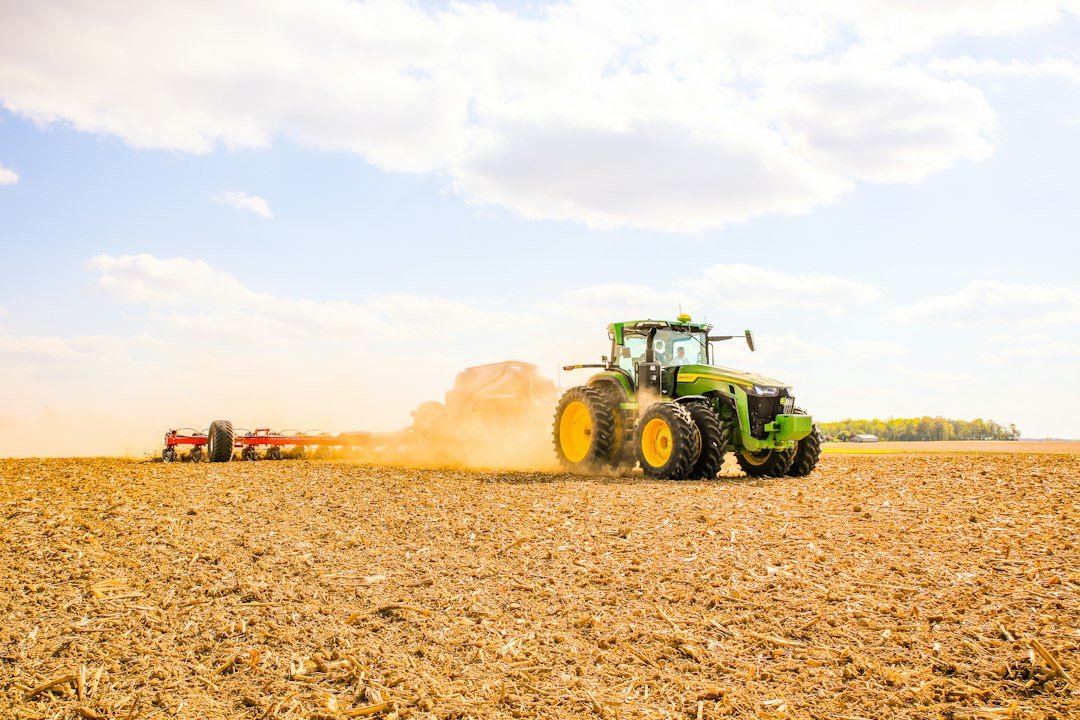
Photo by Hannah Shedrow on Unsplash
Electric tractors are moving from demonstration plots to real farms in Punjab, Haryana, Maharashtra and Tamil Nadu. Several Indian manufacturers now sell battery-powered tractors in the 11 to 35 HP class, and electric power packs are appearing on sprayers, loaders and small harvesters. The engine may be gone, but the hydraulic system is not. Lifting a trailer, raising a rotavator and steering the front axle still depend on pressurised oil, which means hydraulic hoses for electric tractors remain a critical wear part that dealers and workshops must understand.
What changes is how that oil is pumped, how hot the surrounding components run, how often the pump cycles and how much room is available for routing. This guide explains what is different about hydraulic hoses for electric tractors and e-farm equipment, which hose grades still apply, and what buyers in India should check before ordering replacement assemblies.
What Is a Hydraulic Hose for an Electric Tractor?
A hydraulic hose for an electric tractor is a flexible, wire-reinforced rubber hose that carries pressurised hydraulic oil between the pump, control valve and cylinders on a battery-powered tractor or implement. The construction is the same family as conventional tractor hose: an oil-resistant synthetic rubber tube, one or two layers of braided high-tensile steel wire, and an abrasion and weather resistant cover. Grades such as SAE 100 R1 and R2 continue to apply, and our comparison of SAE 100 R1 vs R2 hydraulic hose explains how those grades differ.
The distinction lies in the system around the hose rather than the hose itself. On a diesel tractor, the hydraulic pump is driven continuously from the engine through the PTO gear train. On an electric tractor, the pump is usually driven by a dedicated electric motor, or by the traction motor through a clutch, and it runs only when a lift or steering function is requested. Typical features of these electro-hydraulic systems include:
- On-demand pumping — the pump starts and stops many times an hour, producing frequent pressure ramps rather than a steady standing pressure
- Compact power packs — pump, motor, reservoir and valve block are often built as a single unit with short, tightly bent hose runs
- Different heat sources — no exhaust manifold or radiator fan, but concentrated heat from the traction motor, inverter and battery pack
- Lower system noise — with no engine, hose vibration and pump whine become noticeable to the operator
Why Electric Drive Changes the Duty on the Hose
An electric tractor is not automatically gentler on its hydraulics because there is no engine vibration. Several factors make the duty different, and in some respects harder.
More Pressure Cycles
Because the pump only runs when needed, every lift request produces a pressure rise from near zero to full working pressure. A rear lift used to raise and lower a rotavator at every headland turn may see several hundred such cycles in a day. Braided hose handles this well when correctly rated, but the crimp and the section immediately behind the fitting see more fatigue than on a system holding steady pressure. Specify assemblies with a margin above the relief valve setting, and crimp fittings to the manufacturer’s dimensions.
Heat Concentrated in New Places
A diesel engine spreads heat across a large bay. An electric drive concentrates it. Traction motors and inverters can run at surface temperatures well above ambient during heavy fieldwork, and Indian summer field temperatures already push ambient past 45°C. A hose routed against a motor housing or an inverter heatsink will age its cover far faster than one in open air. Standard tractor hose compounds are rated to around +100°C continuous. Where the route passes close to a heat source, use a heat-resistant sleeve, re-route the hose, or specify a higher temperature compound.
Tighter Routing
Battery packs take up the space where the engine and fuel tank used to sit, and designers push the hydraulic power pack into whatever room is left. Hose runs become shorter with tighter bends. A hose bent below its minimum bend radius loses a large share of its pressure rating and fatigues quickly at the fitting. When replacing a hose on an electric tractor, measure the installed bend and check it against the catalogue minimum. Where the bend is too tight, a compact bend-radius grade or an elbow fitting should be used rather than forcing a standard hose into the space.
Which Hydraulic Functions Still Need Hoses on E-Farm Equipment
The hydraulic functions on an electric tractor are largely the same as on a diesel machine, and each has its own hose requirement:
- Rear three-point linkage — lift cylinder lines carrying full system pressure, typically served by a double braided hose
- Trailer tipping — a remote-valve outlet feeding the trolley jack cylinder through a long external hose; see our guide on how a tractor trolley hydraulic hose works
- Power steering — lower pressure but continuous movement, needing a flexible hose with good fatigue life
- Front loader and implements — externally routed lines exposed to sunlight, crop residue and abrasion
- Battery and motor cooling — a separate low-pressure water-glycol circuit that uses EPDM coolant hose, not hydraulic hose, and must never be confused with the oil lines
The wider range of tractor hydraulic applications is covered in our article on where tractor trolley hydraulic hose is used in Indian agricultural machinery.
Fluid Compatibility on Electric Tractors
Many electric tractor and power pack manufacturers specify lower-viscosity hydraulic oils to reduce pumping losses and extend battery range. Some also offer biodegradable or bio-based fluids for use in orchards and near water bodies. Standard nitrile hose tubes are compatible with mineral oils and most synthetic esters, but compatibility should always be confirmed with the fluid supplier. Always state the fluid type when ordering assemblies so the tube compound can be matched.
Specifications to Check Before Ordering
Whether you are an OEM designing a new electric tractor or a dealer replacing a burst hose in the field, the following points determine whether the assembly will last:
- Working pressure — match to the relief valve setting with margin; most small electric tractors run between 150 and 210 bar on the lift circuit
- Hose grade — SAE 100 R1 single braid for lower pressure and steering lines, SAE 100 R2 double braid for lift and tipping lines
- Bore size — sized for the pump flow so oil velocity stays within recommended limits
- Bend radius — verify the installed route, especially around compact power packs
- Temperature — identify any run within a few centimetres of a motor, inverter or battery enclosure and protect or re-route it
- Cover — abrasion and ozone resistant cover for lines exposed to sunlight and crop residue
- Fittings — confirm thread type and sealing form; many electric tractor power packs use metric or ORFS ports rather than the BSP threads common on Indian diesel tractors
Pressure ratings, impulse test requirements and dimensional tolerances for braided hose are defined in SAE J517 and the corresponding ISO grades. The current standards are available through SAE International.
Maintenance Tips for Dealers and Workshops
Electric tractors are quieter, and operators tend to notice hydraulic sounds they would previously have ignored. A whine or knock from a hose line is often the first sign of cavitation or a restricted bend. Inspect hose assemblies at every service for cover cracking near heat sources, bulging behind fittings, twist in the lay line and chafing where hoses pass close to cable looms. Keep hydraulic hose and high-voltage cabling separated and clamped independently, so a hose failure cannot spray oil onto connectors, and a cable fault cannot heat a hose.
Choose Hydraulic Hoses for Electric Tractors from Mangla Rubber Industries
Mangla Rubber Industries manufactures tractor trolley hydraulic hoses and SAE 100 R1 and R2 assemblies for conventional and electric tractors, e-farm implements and compact hydraulic power packs. Assemblies are supplied cut to length with the fitting types specified by the OEM, in bulk for manufacturers or as ready-to-fit assemblies for dealers and workshops across India.
Share the tractor model, working pressure, fluid type, fitting details and any routing constraints, and our technical team will recommend the correct hose grade and construction. To discuss OEM supply or dealer stock, contact Mangla Rubber Industries.
Conclusion
Electric drive removes the engine but not the hydraulics. Hydraulic hoses for electric tractors face more frequent pressure cycles, heat concentrated around motors and inverters, tighter routing and a wider range of fluids than their diesel counterparts. The familiar SAE 100 R1 and R2 grades still do the job, provided the assembly is specified for the real operating conditions, routed with care and inspected regularly.
Frequently Asked Questions
Do electric tractors use the same hydraulic hoses as diesel tractors?
Largely yes. The same SAE 100 R1 and R2 braided grades are used for lift, steering and tipping circuits. The difference is in pressure cycling, heat sources, routing space and fitting types, all of which should be checked before an assembly is specified.
Why do hoses near the motor on an electric tractor crack early?
Traction motors and inverters concentrate heat in a small area. A hose cover in continuous contact with or very close to these components ages faster than one in open air. Re-route the hose, add a heat-resistant sleeve or specify a higher temperature compound.
What hydraulic pressure do small electric tractors run at?
Most electric tractors in the 11 to 35 HP class operate their lift circuits in the range of roughly 150 to 210 bar, similar to small diesel tractors. Always confirm the relief valve setting for the specific model before ordering hose.
Can I use the hydraulic hose for the battery cooling circuit?
No. Battery and motor cooling circuits carry water-glycol coolant at low pressure and require EPDM coolant hose. Hydraulic hose tubes are not designed for long-term contact with coolant, and using the wrong hose in either circuit will cause failure.
Which fittings are used on electric tractor hydraulic power packs?
Many compact power packs use metric or ORFS ports, unlike the BSP threads common on Indian diesel tractors. Check the port type before ordering, as a mismatched fitting will leak or damage the port.