
Exporting Indian Rubber Hoses to the Middle East and Africa: Standards, Packaging and Climate
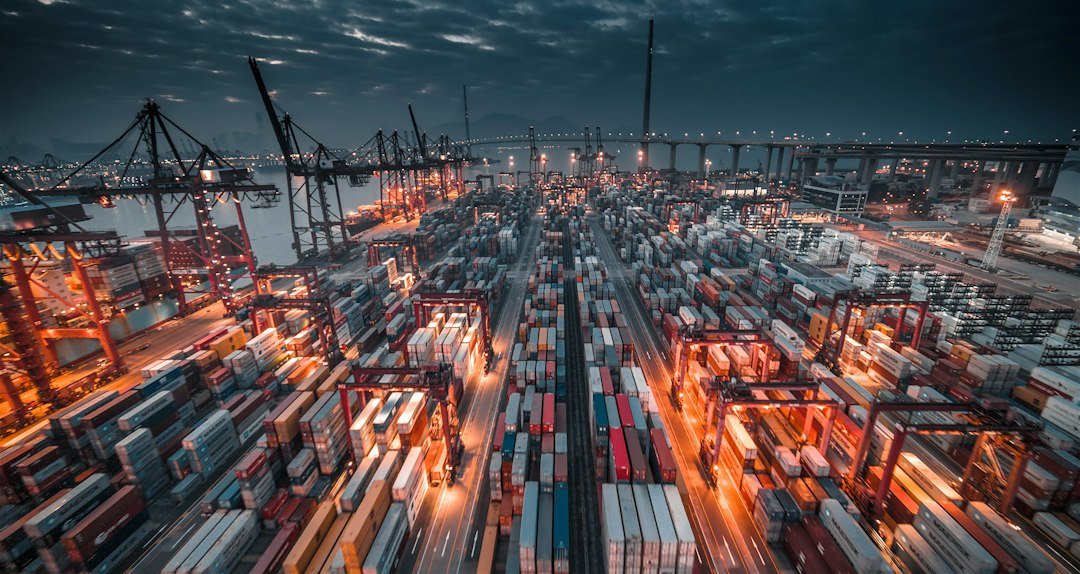
Indian hose manufacturers have spent two decades building capacity for the domestic market, and many are now looking outward. The Gulf states, East Africa and West Africa all import large volumes of hydraulic, industrial and agricultural hose, much of it from China and Europe, and Indian factories are well placed to compete on price, lead time and technical support. Yet rubber hose export from India to these regions is not the same as selling into Punjab or Maharashtra. Standards, packaging, climate and documentation all change at the border.
This article sets out what a manufacturer or exporter needs to get right before shipping hose to the Middle East and Africa: the standards buyers expect, how to compound and pack hose for desert and tropical conditions, how to handle shipping and documentation, and what the buyers in these markets actually look for. It draws on the practical experience of rubber hose export from India rather than on theory.
What Does Rubber Hose Export from India Involve?
Exporting rubber hose means manufacturing to the buyer’s specification, packing for sea or air freight, clearing Indian customs under the correct tariff heading, and delivering a product that performs in a climate and regulatory environment that may differ sharply from India. The hose itself is only part of the transaction. The buyer is also purchasing certainty: that the grade is what the label says, that it arrives undamaged, and that it lasts in local conditions.
The main export categories from India to these regions are:
- Hydraulic hose — SAE 100 R1, R2 and spiral grades for construction, mining, oil and gas and agricultural machinery
- Industrial hose — air, water, petroleum, chemical and steam hoses for plants, ports and utilities
- Agricultural hose — tractor trolley, irrigation and sprayer hoses for the large farming sectors of East Africa and Sudan
- Specialist hose — PTFE, carbon-free and fire-extinguisher hoses for refineries, power plants and safety systems
Standards Buyers in the Gulf and Africa Expect
Most institutional and OEM buyers in the Middle East and Africa specify hose to international standards rather than to Indian ones. A supplier who can quote and test to these standards, and mark the hose accordingly, removes the main technical barrier to the sale.
Hydraulic Hose
SAE J517 (the SAE 100 R series) and the European EN 853, EN 856 and EN 857 standards are the common references. Oil and gas operators in the Gulf often follow the specifications of the major international contractors, which in turn reference ISO 18752 for hydraulic hose performance. A manufacturer exporting hydraulic hose should be able to supply test certificates for proof pressure, burst and impulse performance against the named standard.
Industrial and Chemical Hose
Industrial hose is usually specified by application, with EN or ISO references for particular types, such as EN 12115 for chemical hose. Petroleum and fuel hoses for airports, ports and depots frequently need to meet the buyer’s conductivity and fire-performance requirements. Our guide to what sets industrial hose manufacturers for oil and gas apart covers those demands in more detail.
Regional Conformity Schemes
Several Gulf states operate national conformity marks, and a number of African countries run pre-shipment verification of conformity programmes for imported goods, under which a designated inspection agency checks the shipment against the applicable standard before it leaves India. Exporters should confirm with the buyer whether the destination country requires a certificate of conformity and which agency issues it, since goods arriving without one can be held at the port.
Compounding and Designing Hose for Heat, Sand and Sun
An Indian summer is severe, but a Gulf summer is longer and drier, and equatorial Africa combines heat with high humidity and intense ultraviolet exposure. A hose compound that performs adequately in Delhi may age faster in Riyadh or Lagos. Exporters should review the cover and tube compounds for the destination.
- Ozone and UV resistance — covers based on EPDM or chloroprene, or with enhanced antiozonant packages, resist cracking under continuous sun exposure
- Heat resistance — ambient temperatures above 45°C reduce the margin between ambient and the hose’s maximum rated temperature; specify compounds and constructions with headroom
- Abrasion resistance — wind-blown sand and grit wear covers rapidly on outdoor machinery; a higher-abrasion cover or a protective sleeve extends life
- Humidity and mould — in tropical West and Central Africa, storage in damp conditions requires sealed packaging and capped ends
- Fluid compatibility — mining and oil and gas operations may run fire-resistant or synthetic fluids that need a compatible tube
Our related article on why the industrial hose supply partner matters explains why buyers increasingly ask the manufacturer to advise on compound selection rather than simply fill an order.
Packaging for Sea Freight and Rough Handling
Hose that leaves the factory in perfect condition can arrive damaged after four weeks in a container that has sat on a quayside in the sun. Packaging for export has to protect against heat, moisture, crushing and the repeated handling that a transhipment through Jebel Ali or Mombasa involves.
Coils and Reels
Pack coils flat on pallets or on wooden reels with the hose secured so it cannot shift. Avoid tight coiling below the minimum bend radius, which sets a permanent kink. Wrap coils in polyethylene or shrink film to keep out moisture and dust, and cap or plug the ends.
Assemblies
Pack fitted assemblies with thread protectors on every fitting and with the assemblies separated so that fittings do not damage the cover of neighbouring hoses. Bundle by part number and label each bundle.
Container Practice
- Desiccants — place desiccant packs in the container to control condensation during the voyage
- Heat-treated timber — pallets and crates must carry the ISPM 15 mark, which most destination countries enforce
- Labelling — mark each package with the buyer’s part number, standard, size, length, quantity and batch, in English and, for some Gulf buyers, Arabic
- Load plan — heavy reels at the bottom, light coils above, with the container packed so the load cannot move at sea
Documentation, Customs and Incoterms
Indian exporters need an Importer-Exporter Code from the Directorate General of Foreign Trade, GST registration and, for most consignments, a commercial invoice, packing list, bill of lading or air waybill, certificate of origin and, where the destination requires it, a certificate of conformity. Rubber hose is generally classified under Chapter 40 of the harmonised tariff system, and the correct eight-digit code determines both Indian export incentives and the duty applied at the destination. The current export procedures and schemes are published by the Directorate General of Foreign Trade.
Agree the Incoterm with the buyer early. Gulf buyers often prefer CIF or CFR terms to a named port, while many African importers ask for FOB from Nhava Sheva or Mundra and arrange freight through their own forwarder. Letters of credit remain common for first orders; established relationships move to open account or advance payment.
What Buyers in These Markets Look For
Price matters, but it is rarely the only factor. Distributors in Dubai, Nairobi, Accra or Lagos are usually comparing an Indian offer against Chinese and European alternatives on several criteria.
- Consistency — the same grade and quality on every shipment, with no substitution
- Documentation — clean paperwork that clears customs without queries
- Lead time — Indian factories can often ship faster to the Gulf and East Africa than European suppliers
- Technical support — help with grade selection, fittings and troubleshooting after the sale
- Range — a manufacturer offering hydraulic, industrial and agricultural hose together simplifies the distributor’s sourcing
Our list of leading industrial hose manufacturers in India and worldwide shows how Indian firms compare with international names on these points.
Choose Export-Ready Hose from Mangla Rubber Industries
Mangla Rubber Industries manufactures hydraulic, industrial and agricultural hoses for domestic and export buyers, including SAE 100 R2 high-pressure hydraulic hose tested and marked to international standards and packed for sea freight to the Middle East and Africa. Compounds can be specified for high-temperature and high-UV service, and export documentation is prepared in-house.
Share your destination, application and required standards and our team will confirm the correct grade, packaging and paperwork for the shipment. To discuss an export enquiry or distributor arrangement, contact Mangla Rubber Industries.
Conclusion
Successful rubber hose export from India to the Middle East and Africa depends on manufacturing to the standards those markets specify, compounding for their climate, packing for a long and rough journey, and handling documentation without error. Indian manufacturers that manage these four areas well can compete against any source on quality and support, with the added advantages of proximity and price.
Frequently Asked Questions
Which standards should hydraulic hose meet for export to the Gulf?
SAE J517 (SAE 100 R series) and EN 853, EN 856 and EN 857 are the references most buyers use, with ISO 18752 for oil and gas projects. Supply test certificates against the named standard with each consignment.
Do African countries require pre-shipment inspection for hose?
Several do, under conformity assessment programmes run through designated inspection agencies. Confirm the requirement with the buyer before production, since shipments without the required certificate may be held at the destination port.
How should hose be packed for a container voyage?
Coils flat or on reels, wrapped and capped, on ISPM 15 heat-treated pallets, with desiccants in the container and the load secured against movement. Fittings on assemblies should have thread protectors.
Does Indian hose last in desert conditions?
Yes, provided the cover compound is specified for high ozone, UV and abrasion exposure and the hose is rated with temperature headroom. Standard domestic compounds may age faster; discuss the destination with the manufacturer.
What documents does an Indian hose exporter need?
An Importer-Exporter Code, GST registration, commercial invoice, packing list, bill of lading or air waybill, certificate of origin and any certificate of conformity the destination requires.