
Compressed Air Leak Audits: How Pneumatic Hose Condition Affects Energy Costs in Factories
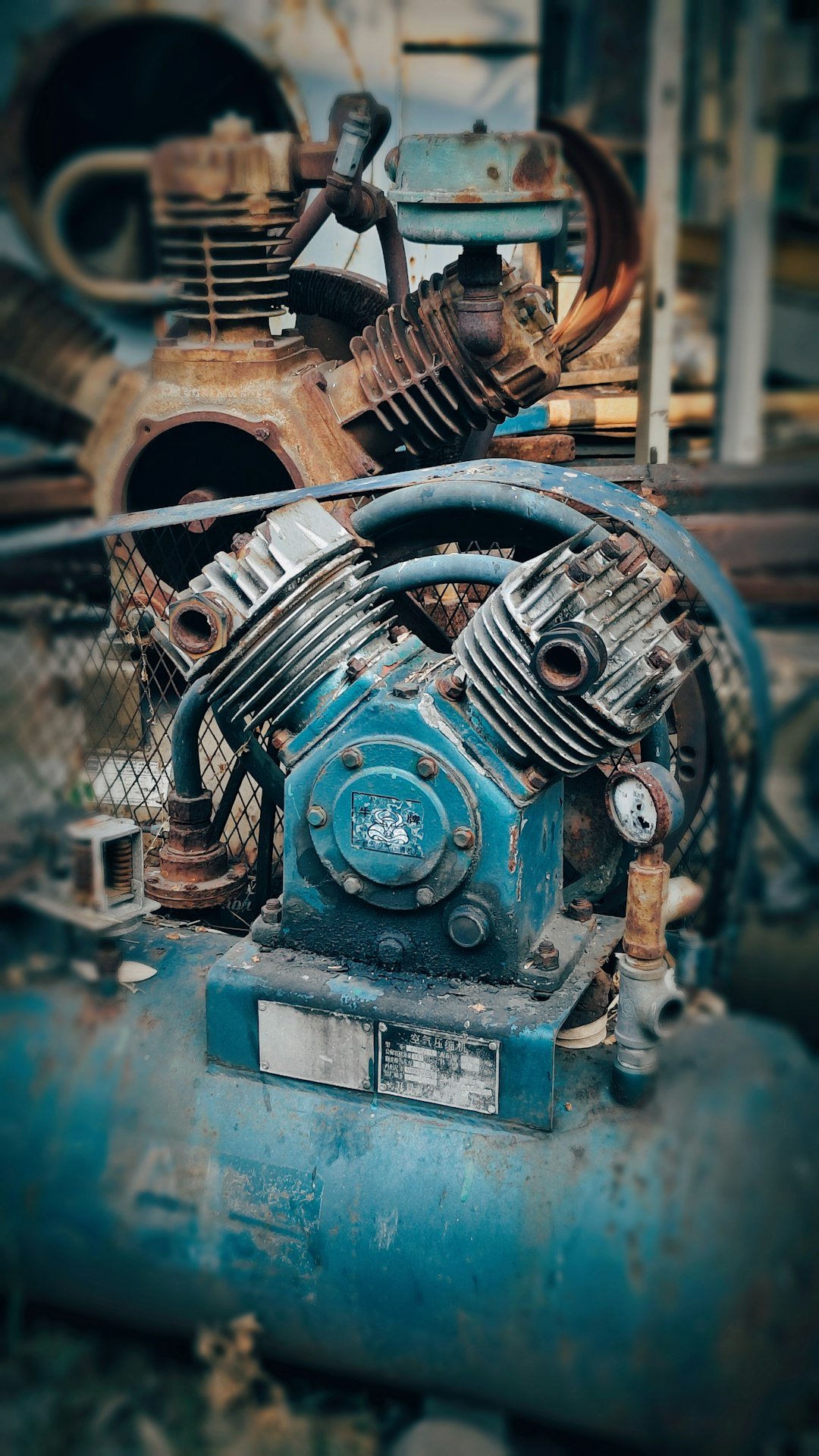
Photo by Bambang Prasetyo on Unsplash
Compressed air is often called the fourth utility in an Indian factory, and it is usually the most expensive one per unit of useful work. A large share of the electricity that goes into a compressor is lost before the air ever reaches a tool or cylinder, and a great deal of that loss escapes through pneumatic hose air leaks at cracked hoses, worn couplings and loose clamps.
A compressed air leak audit is the systematic process of finding, measuring and fixing those losses. This guide explains how pneumatic hose air leaks arise, how to estimate what they cost, how to run an audit with basic tools, and how choosing and maintaining the right pneumatic hose keeps the savings in place. It is written for plant maintenance engineers, energy managers and workshop owners in India.
What Is a Compressed Air Leak Audit?
A compressed air leak audit is a walk-through survey of the entire compressed air system, from the compressor room through the main distribution pipework to the drops, hoses, fittings and end-use equipment. Each leak is located, tagged, estimated for size and logged, and the list is then prioritised for repair.
Audits are usually carried out with a mix of the following methods, ranging from free to moderately priced:
- Listening and soap solution — walking the system during a quiet shift and applying soapy water to suspected joints to watch for bubbles
- Ultrasonic leak detector — a hand-held instrument that picks up the high-frequency sound of escaping air even in a noisy running plant
- Pressure decay test — isolating the system, switching off the compressor and timing how quickly receiver pressure falls with no consumers connected
- Compressor load monitoring — recording loaded and unloaded hours over a weekend when production is stopped, which shows the total leak load directly
Because pneumatic hoses and their couplings are the most frequently handled, dragged and flexed parts of the system, they are almost always the largest single category of leaks found. For a background on how these hoses are specified, read our article on pneumatic hose pipe specifications for industrial air tools.
Why Pneumatic Hose Leaks Cost More Than They Appear To
A hose leak seems trivial because the air is free and the hiss is small. The cost lies in the electricity used to compress that air. Most of the electrical energy becomes heat, and every cubic metre that leaks away must be replaced by the compressor running loaded for longer.
Energy agencies around the world consistently report that leaks account for a significant fraction of a typical plant’s compressed air output, commonly in the range of 20 to 30 percent in systems that have not been audited. At Indian industrial electricity tariffs, a single leak the size of a 3 mm hole running around the clock can cost more per year than the hose assembly that caused it many times over.
There are secondary costs too. Leaks lower the pressure available at the tool, so operators raise the compressor set point, which increases energy use across the whole system. Tools work more slowly, and a compressor that runs more hours needs more frequent servicing. Our guide to energy efficient industrial hose systems covers the wider picture of hose-related energy loss.
Where Pneumatic Hose Air Leaks Occur
Knowing where to look makes an audit far quicker. In most Indian plants and workshops, the following points account for the majority of hose-related leaks.
Cracked or Aged Hose Cover and Tube
Rubber hose exposed to heat, sunlight, oil and ozone hardens and cracks over time. Hose that has been dragged across concrete floors develops cover abrasion that eventually reaches the reinforcement. PVC hose becomes brittle in cold weather and soft in the summer heat, and cracks at the point where it enters the fitting.
Loose or Incorrect Hose Clamps
Worm-drive clamps that have been over-tightened cut into the hose cover, while under-tightened clamps allow the hose to creep off the barb under pressure pulses. Crimped ferrules are more reliable but must be applied with the correct die for the hose construction.
Quick Couplings and Claw Couplings
Quick-release couplings contain an O-ring or seal that wears with every connection. Claw couplings used on larger workshop and construction hoses leak at the seal ring and at the hose tail. These are often the largest individual leaks in a system.
Wrong Hose for the Duty
Garden hose, water hose or general purpose PVC tube pressed into service as an air line will fail early. Compressed air carries oil mist and heat from the compressor, and requires a hose with an oil-resistant tube, adequate reinforcement and a working pressure rated well above the system pressure with a safety factor. The construction and pressure classes of proper air hose are discussed in our article on how pneumatic hose pipe controls compressed air flow in automation and industrial machinery.
How to Run a Compressed Air Leak Audit
An audit does not need expensive equipment. A structured approach with tags and soap solution finds most leaks; an ultrasonic detector speeds up the work in a running plant.
- Map the system — sketch the compressor, receiver, main lines, drops and every hose and tool point. Number each hose assembly so it can be tracked over time
- Measure the baseline — run a pressure decay test or log compressor loaded hours during a non-production period to quantify the total leak load before repairs
- Walk and tag — survey the system section by section, ideally during a quiet shift. Tag every leak with a numbered label and note its location, type and estimated size
- Prioritise — rank leaks by size and ease of repair. Coupling and hose-end leaks are usually quick to fix and give the largest immediate saving
- Repair and replace — replace cracked hoses rather than shortening them repeatedly, renew coupling seals, fit correctly sized clamps or crimped ferrules, and remove hoses that are no longer needed
- Verify — repeat the baseline measurement after repairs to confirm the reduction, and record the result
- Schedule — set a quarterly walk-through, because new leaks appear continually as hoses age and are handled
Guidance on compressed air system efficiency, including audit methods and leak cost tables, is published by the Bureau of Energy Efficiency under the Ministry of Power, Government of India. The resources are available on the Bureau of Energy Efficiency website.
Choosing Pneumatic Hoses That Stay Leak-Free
The repair list from a first audit is often dominated by hoses that were never suitable for compressed air. Specifying the correct hose at replacement time prevents the same leaks reappearing.
- Working pressure — select a hose rated comfortably above the compressor set point, with a burst pressure of at least three to four times the working pressure
- Tube compound — an oil-resistant synthetic rubber tube tolerates compressor oil carry-over that would swell or soften a general purpose tube
- Cover — an abrasion, ozone and weather resistant cover for hoses dragged across floors or used outdoors on construction and mining sites
- Reinforcement — high-tensile textile braid for workshop air lines; wire braid for larger bore lines feeding rock drills, sand blasting or heavy pneumatic tools
- Bore size — sized for the tool’s air consumption so that pressure drop along the hose does not force the compressor set point upward
- End fittings — crimped or swaged fittings rather than barbs and worm clamps wherever the hose is not routinely changed, and quality quick couplings with replaceable seals
- Length — the shortest practical length, because every extra metre adds pressure drop and another place to be damaged
Choose Pneumatic Hose from Mangla Rubber Industries
Mangla Rubber Industries manufactures pneumatic hoses with oil-resistant tubes, textile or wire reinforcement and abrasion-resistant covers for compressed air distribution, air tools, pneumatic machinery and construction equipment. Hoses are supplied in bulk lengths or as fitted assemblies to plants, workshops, OEMs and dealers across India, with pressure ratings and test certificates to support energy and safety audits.
If your leak audit has identified hoses that need replacing, send us the working pressure, bore size, length and fitting details of each assembly. Our team will recommend a construction that holds pressure reliably for years rather than months. To discuss your requirement or request a quotation, contact Mangla Rubber Industries.
Conclusion
Compressed air leaks are one of the easiest energy losses in a factory to fix, and pneumatic hose air leaks are usually the largest share of them. A simple, repeated audit that tags and measures leaks, followed by replacement with correctly specified hose and fittings, cuts compressor running hours, stabilises tool pressure and reduces the electricity bill without any capital investment in new compressors. The hose is a small component, but its condition decides how much of the compressor’s energy actually reaches the point of use.
Frequently Asked Questions
How much compressed air is typically lost to leaks?
Plants that have never been audited commonly lose 20 to 30 percent of their compressed air output to leaks. A well maintained system with a regular audit programme can bring this below 10 percent.
What is the simplest way to find pneumatic hose leaks?
Walk the system during a quiet shift and listen, then apply a soap and water solution to hose ends, couplings and clamps. Bubbles show the leak. An ultrasonic leak detector makes the same job possible while the plant is running.
Should a leaking air hose be repaired or replaced?
Leaks at a coupling or clamp can be repaired by renewing the seal or fitting. A hose that is cracked, hardened or abraded through the cover should be replaced, because cutting out the damaged section leaves the same aged material to fail elsewhere.
Does hose bore size affect energy use?
Yes. An undersized hose causes a large pressure drop between the drop leg and the tool, which tempts operators to raise the compressor set point. Each bar of extra system pressure increases compressor energy consumption by several percent.
How often should a compressed air leak audit be repeated?
A full audit once a year with a quicker walk-through every quarter is a practical schedule for most Indian plants. Hoses and couplings wear continuously, so new leaks will appear between audits.