
The global industrial landscape is once again facing uncertainty as the ongoing Iran war sends shockwaves through energy markets. Oil prices have surged past $100 per barrel, with some benchmarks even crossing $110, driven by supply disruptions and geopolitical tensions. This sharp increase is not just a concern for fuel-dependent sectors—it has far-reaching consequences for manufacturing industries, especially industrial hose manufacturers.
While hoses may seem like a small component in the larger industrial ecosystem, they are deeply tied to oil-based raw materials, logistics, and heavy industries. As oil prices rise, industrial hose manufacturers find themselves navigating a complex web of cost pressures, supply chain disruptions, and shifting demand.
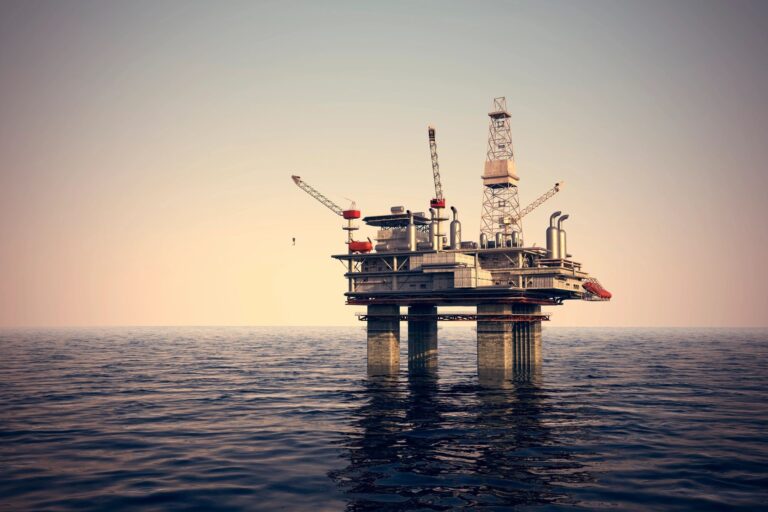
The Oil Price Surge: A Ripple Effect Across Industries
Oil is more than just fuel—it is a foundational input for thousands of products, including synthetic rubber, plastics, and polymers. These materials are essential for producing industrial hoses. As oil prices climb, the cost of these raw materials increases significantly.
The Iran war has disrupted critical oil supply routes, particularly the Strait of Hormuz, through which a significant portion of the world’s oil flows. This disruption has tightened supply and pushed prices upward, affecting industries globally.
For industrial hose manufacturers, this translates directly into higher production costs. Rubber compounds, PVC, and other petrochemical derivatives become more expensive, squeezing profit margins and forcing companies to reconsider pricing strategies.
Rising Raw Material Costs and Margin Pressure
Oil is more than just fuel—it is a foundational input for thousands of products, including synthetic rubber, plastics, and polymers. These materials are essential for producing industrial hoses. As oil prices climb, the cost of these raw materials increases significantly.
The Iran war has disrupted critical oil supply routes, particularly the Strait of Hormuz, through which a significant portion of the world’s oil flows. This disruption has tightened supply and pushed prices upward, affecting industries globally.
For industrial hose manufacturers, this translates directly into higher production costs. Rubber compounds, PVC, and other petrochemical derivatives become more expensive, squeezing profit margins and forcing companies to reconsider pricing strategies.
Logistics and Transportation Challenges
Beyond raw materials, rising oil prices significantly impact logistics. Diesel and fuel costs are a major component of transportation expenses, accounting for a substantial portion of shipping costs.
As fuel prices increase, transporting raw materials to factories and finished products to customers becomes more expensive. For industrial hose manufacturers, this means higher distribution costs and potential delays in delivery timelines.
In industries where timely supply is critical—such as construction, mining, and oil & gas—these delays can strain relationships with clients. Companies may need to rethink their logistics strategies, including sourcing locally or optimizing supply chains to reduce fuel dependency.
Impact on End-User Industries
The challenges faced by industrial hose manufacturers are compounded by the struggles of their end-user industries. Sectors like mining, construction, agriculture, and manufacturing are all heavily reliant on fuel. As their operating costs rise, demand for industrial equipment—including hoses—can fluctuate.
For instance, higher fuel costs can slow down mining operations or reduce construction activity, leading to lower demand for hoses. On the other hand, the oil & gas sector may see increased activity due to higher oil prices, potentially boosting demand in certain segments.
This uneven demand creates uncertainty for industrial hose manufacturers, who must balance production levels with fluctuating market needs.
Supply Chain Disruptions and Global Uncertainty
The Iran war has also disrupted global supply chains, creating bottlenecks and delays. Shipping routes have become riskier, and some areas are experiencing reduced traffic due to safety concerns.
For industrial hose manufacturers, this means longer lead times for imported raw materials and components. Companies that rely heavily on global suppliers are particularly vulnerable.
To mitigate these risks, many manufacturers are exploring alternative sourcing strategies, including regional suppliers or diversifying their supply base. While this can improve resilience, it often comes at a higher cost.
Strategic Responses from Manufacturers
In the face of these challenges, industrial hose manufacturers are adopting several strategies to stay competitive:
- Material Innovation: Exploring alternative materials that are less dependent on oil-based inputs.
- Operational Efficiency: Streamlining production processes to reduce waste and improve cost efficiency.
- Supply Chain Diversification: Reducing reliance on a single region or supplier.
- Dynamic Pricing Models: Adjusting prices in response to fluctuating raw material costs.
Some manufacturers are also investing in digital tools to improve demand forecasting and inventory management, helping them respond more effectively to market volatility.
Looking Ahead: A Test of Resilience
The current oil price surge serves as a reminder of how interconnected global industries are. For industrial hose manufacturers, the Iran war is not just a geopolitical event—it is a direct challenge to their business models.
While the situation remains uncertain, companies that can adapt quickly, innovate, and build resilient supply chains will be better positioned to navigate this turbulent period. The ability to balance cost pressures with customer expectations will be key to long-term success.
In the end, the rising oil prices may reshape the industry, pushing industrial hose manufacturers toward more sustainable practices and smarter operations. Those who embrace change will not only survive but potentially emerge stronger in a rapidly evolving global market.