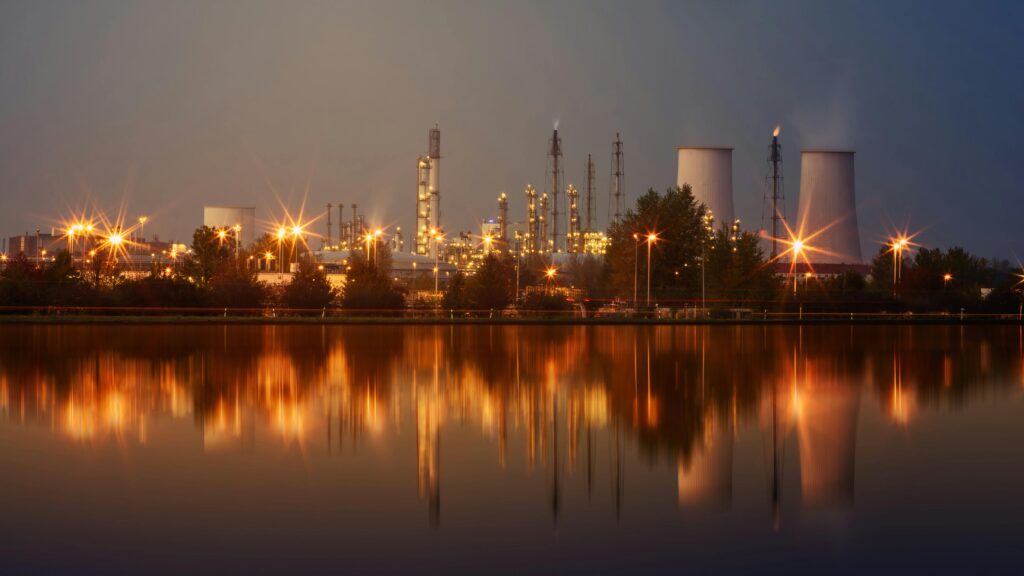
The oil and gas industry operates in some of the harshest working environments. Offshore platforms, refineries, and drilling fields all demand equipment that can withstand pressure, temperature changes, and abrasive materials. Among these critical components, the rubber pipe plays a major role in ensuring safe and efficient fluid transfer. From transporting crude oil to handling chemicals, these flexible solutions help maintain uninterrupted operations.
Why Rubber Hoses Are Essential in Oil and Gas
Oil and gas facilities rely on continuous movement of liquids and gases. A durable rubber pipe helps transfer fuels, chemicals, and slurry materials safely between different systems. Unlike rigid piping, hoses provide flexibility, allowing operators to connect equipment easily and adapt to complex layouts.
In upstream operations such as drilling and exploration, a rubber pipe is commonly used for handling drilling mud and abrasive mixtures. Midstream facilities depend on hose systems for loading and unloading petroleum products, while downstream refineries use them for processing and fuel distribution. This wide range of applications makes industrial hoses a dependable solution across the industry.
Key Features That Improve Performance
Industrial hoses designed for oil and gas operations must meet demanding standards. A well‑designed rubber pipe offers several performance advantages:
High Pressure Strength
Oil and gas processes often involve high-pressure transfer. A reinforced rubber pipe helps manage pressure variations safely.
Temperature Resistance
Extreme heat and cold are common in oil fields. A flexible rubber pipe performs reliably across varying climates.
Chemical Resistance
Exposure to fuels and chemicals requires specialized materials. A high‑quality rubber pipe resists corrosion and degradation.
Abrasion Durability
Drilling environments include abrasive materials. A heavy‑duty rubber pipe reduces wear and extends service life.
Operational Flexibility
Flexible hose systems improve handling and installation. A reliable rubber pipe supports efficient operations.
Key Features That Improve Performance
Industrial hoses designed for oil and gas operations must meet demanding standards. A well‑designed rubber pipe offers several performance advantages:
High Pressure Strength
Oil and gas processes often involve high-pressure transfer. A reinforced rubber pipe helps manage pressure variations safely.
Temperature Resistance
Extreme heat and cold are common in oil fields. A flexible rubber pipe performs reliably across varying climates.
Chemical Resistance
Exposure to fuels and chemicals requires specialized materials. A high‑quality rubber pipe resists corrosion and degradation.
Abrasion Durability
Drilling environments include abrasive materials. A heavy‑duty rubber pipe reduces wear and extends service life.
Operational Flexibility
Flexible hose systems improve handling and installation. A reliable rubber pipe supports efficient operations.
Applications in Oil and Gas Facilities
Industrial rubber hoses are used across multiple operations, including:
- Fuel transfer systems
- Offshore drilling platforms
- Tank truck loading and unloading
- Refinery processing operations
- Hydraulic equipment
- Chemical transfer systems
Each application requires careful selection of hose specifications. Choosing the right rubber pipe improves efficiency and reduces operational risks.
Safety Considerations
Safety is a top priority in oil and gas operations. A high‑performance rubber pipe helps prevent leaks and minimizes downtime. Manufacturers design these hoses with reinforced layers and protective outer covers to withstand harsh conditions.
Routine inspection also plays an important role. Monitoring each rubber pipe ensures early detection of wear, helping companies maintain safe working environments. Additionally, certified rubber pipe products undergo strict testing to meet international quality standards.
Benefits for Oil and Gas Operations
Industrial rubber hoses offer several advantages:
- Improved operational efficiency
- Reduced maintenance costs
- Enhanced safety and reliability
- Better flexibility than rigid pipelines
- Long service life
These benefits make industrial hose systems an essential component for oil and gas companies operating in demanding conditions.
Choosing the Right Manufacturer
Selecting a trusted supplier ensures consistent performance. Experienced manufacturers provide customized hose solutions designed for specific industrial requirements. Quality testing and technical support further help businesses achieve reliable performance.
A dependable supplier also ensures that every hose meets industry standards and operational expectations, reducing risks and improving productivity.
Future Trends in Industrial Rubber Hoses
Advancements in materials and manufacturing are improving hose technology. Modern designs now feature lightweight construction, improved reinforcement, and enhanced resistance to chemicals and extreme temperatures.
Sustainability is also gaining importance. Manufacturers are developing eco‑friendly hose solutions that reduce environmental impact while maintaining durability.
Conclusion
Industrial rubber hoses are vital for oil and gas operations. From drilling to fuel transfer, these systems ensure smooth and safe handling of fluids. Choosing the right hose improves efficiency, enhances safety, and reduces operational downtime.
As the industry continues to grow, demand for durable hose solutions will increase. Investing in high‑quality equipment helps companies achieve long‑term performance and operational success in challenging environments.