
Are Your Hydraulic Hoses Compatible with Biodegradable and Bio-Based Hydraulic Fluids?
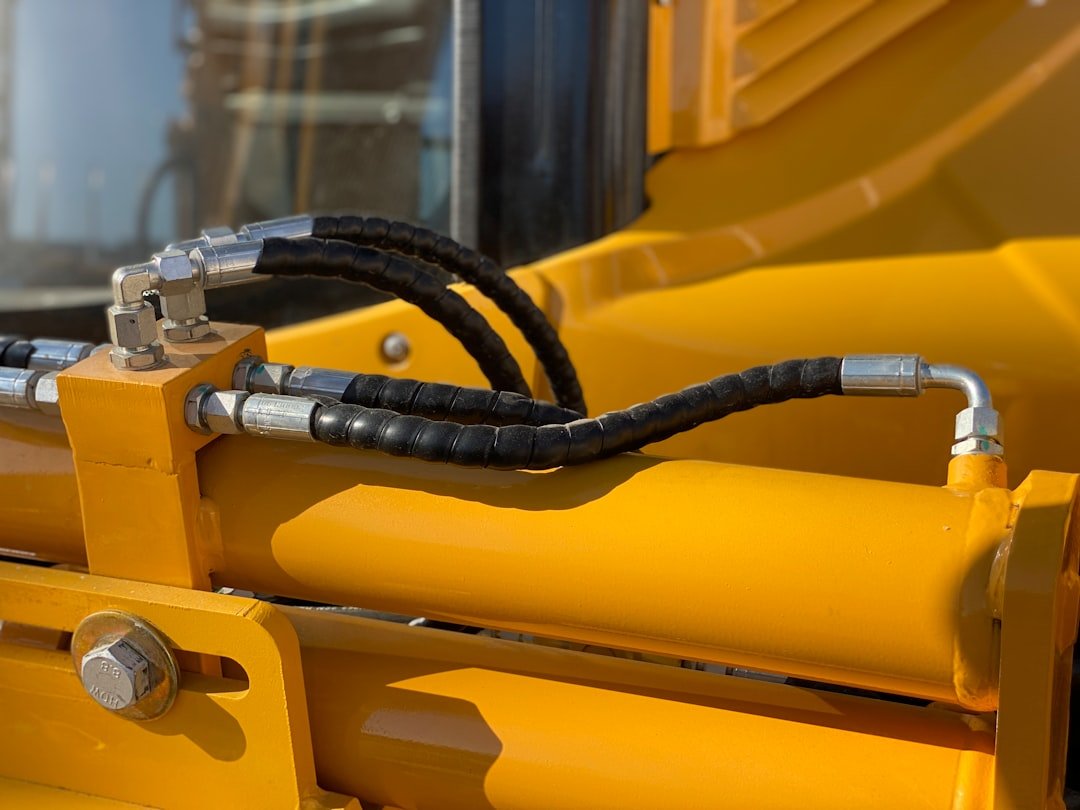
Photo by Tatiana Zhukova on Unsplash
Environmental rules and customer requirements are pushing Indian equipment operators towards biodegradable hydraulic oils. Forestry machines, dredgers, lock gates, agricultural equipment working near watercourses and construction machinery on environmentally sensitive sites are increasingly filled with ester-based fluids instead of conventional mineral oil. Before making the switch, every maintenance engineer should ask one question that is often skipped: is the existing hose stock compatible? Biodegradable hydraulic fluid hose compatibility is not automatic, and the wrong pairing quietly destroys hoses from the inside.
The good news is that most modern hydraulic hoses handle the common bio-fluids well, provided the fluid type, operating temperature and water content stay within limits. This guide explains the main classes of biodegradable and bio-based hydraulic fluids, how each interacts with typical hose tube compounds, and how to verify biodegradable hydraulic fluid hose compatibility before converting a machine or a fleet.
What Are Biodegradable Hydraulic Fluids?
Biodegradable hydraulic fluids are pressure fluids formulated to break down readily in soil and water, reducing the environmental damage of leaks and hose bursts. They are classified internationally under ISO 15380, which defines four families. Each behaves differently towards rubber, so the family name on the drum matters more than the word “biodegradable” on the label.
The four ISO 15380 families are:
- HETG — triglyceride (vegetable oil) based fluids, typically rapeseed or sunflower derived; good lubricity but limited temperature and oxidation stability
- HEES — synthetic ester based fluids, the most widely used family in mobile equipment; better high-temperature performance than HETG
- HEPG — polyglycol based fluids, water soluble; chemically quite different from mineral oil and the most demanding on seals and hoses
- HEPR — polyalphaolefin and related hydrocarbon based fluids; closest in behaviour to mineral oil
How Bio-Fluids Interact with Hose Tube Compounds
The inner tube of a standard hydraulic hose is usually nitrile rubber (NBR), chosen for its resistance to mineral oil. Ester fluids interact with NBR differently from mineral oil: at moderate temperatures the effect is small, but as temperature rises esters extract plasticisers from the compound and can cause gradual hardening, shrinkage and cracking of the tube. Polyglycol fluids go further and can swell or soften compounds that are perfectly happy in oil.
The differences between rubber families explained in our comparison of EPDM vs nitrile vs silicone rubber hose become important here. As a general guide:
- HEPR fluids — compatible with standard NBR tube hoses within normal ratings; the easiest conversion
- HEES fluids — compatible with good quality NBR tubes up to roughly 70 to 80 degrees Celsius continuous; above that, hose life shortens and upgraded compounds or PTFE lined hose should be considered
- HETG fluids — similar to HEES on the hose side, but the fluid itself ages quickly above about 70 degrees Celsius, so systems are usually temperature limited anyway
- HEPG fluids — require confirmation from the hose manufacturer for every compound in the circuit; assume nothing
Fittings, O-rings and the rest of the circuit
The hose tube is only one elastomer in the system. O-rings in fittings, port seals, accumulator bladders and cylinder seals all see the same fluid. A conversion checklist should cover every elastomer, because a hardened O-ring leaks just as surely as a cracked hose tube. Zinc and galvanised surfaces also react with some ester fluids, so fitting plating deserves a check on older assemblies.
Water content and fluid ageing
Ester fluids absorb water more readily than mineral oil, and wet esters hydrolyse into acids that attack both the fluid and the hose tube. A machine on bio-fluid needs dry, sealed reservoir breathing and periodic fluid sampling. Acidic, aged fluid has caused hose tube failures that were wrongly blamed on the hose itself.
Verifying Compatibility Before You Convert
Compatibility is established from documents first and inspection second. Ask the hose manufacturer to confirm in writing that the tube compound of each hose type in the machine is rated for the specific ISO 15380 family and the maximum system temperature. Reputable manufacturers publish fluid compatibility tables for their compounds; the general selection logic in our hydraulic hose pipe guide shows where fluid compatibility sits alongside pressure and temperature in the specification.
On conversion day, the practical steps are straightforward:
- Flush properly — residual mineral oil above a few percent can spoil the biodegradability rating of the new fill and confuse any later failure analysis
- Record hose ages — hoses already near end of life should be replaced during conversion rather than tested by the new fluid
- Label the machine — mark the reservoir with the fluid family so nobody tops up with mineral oil later
- Shorten the first inspection interval — check hose external condition and fitting tightness after the first weeks of operation, then return to normal intervals
Warning Signs of a Fluid–Hose Mismatch
An incompatible pairing rarely fails overnight. The symptoms build over weeks or months, and they mimic ordinary ageing, which is why the fluid connection is often missed. Watch for a tube that has hardened and cracked when a failed hose is cut open, weeping at fitting shanks as the tube shrinks away from the stem, unusual sludge or varnish in filters, and hoses failing in clusters at similar ages after a fluid change. Several of these overlap with the general failure modes described in our article on the common causes of hydraulic hose failure, so cut open failed hoses and look at the tube surface before assuming abuse or fatigue.
If cut-open inspection shows a glazed, cracked or sticky tube in a machine recently converted to a bio-fluid, stop and confirm compatibility for that compound before fitting an identical replacement. Replacing like with like simply restarts the clock on the same failure. The full classification and requirements for environmentally acceptable fluids are set out in ISO 15380, which is the reference document to cite when asking a fluid or hose supplier for a compatibility statement.
Choose Compatible Hydraulic Hoses from Mangla Rubber Industries
Mangla Rubber Industries manufactures hydraulic hoses with oil-resistant synthetic rubber tubes, including the high pressure SAE 100 R2 hose range used across agricultural, construction and industrial equipment in India. Our team can confirm tube compound suitability for HEES, HETG and HEPR class fluids at your stated operating temperature, and advise where an upgraded construction is the safer choice.
Fleets planning a conversion to biodegradable fluids can send us the machine list, hose sizes and fluid data sheets for a compatibility review before ordering. To discuss a specific fluid and application, contact Mangla Rubber Industries and we will respond with a clear recommendation.
Conclusion
Biodegradable fluids protect the environments Indian machines increasingly work in, but they change the chemistry inside every hose. Establishing biodegradable hydraulic fluid hose compatibility before conversion — fluid family identified, tube compounds confirmed, temperatures respected and water kept out — costs a few enquiries and a careful flush. Skipping those steps costs hoses, downtime and sometimes the very spill the bio-fluid was meant to make harmless.
Frequently Asked Questions
Can I use my existing hydraulic hoses with biodegradable oil?
Often yes, for HEES and HEPR fluids at moderate temperatures with good quality NBR tube hoses. Always confirm the specific tube compound and your maximum operating temperature with the hose manufacturer before converting.
Which biodegradable fluid is hardest on rubber hoses?
Polyglycol (HEPG) fluids are the most aggressive towards common hose and seal compounds because their chemistry differs most from mineral oil. Every elastomer in the circuit needs individual confirmation before using HEPG.
Does biodegradable fluid shorten hydraulic hose life?
At moderate temperatures with a compatible tube, hose life is broadly similar to mineral oil service. Life shortens when ester fluids run hot or absorb water, so temperature control and dry breathing matter more than with mineral oil.
Do I need special fittings for biodegradable hydraulic fluids?
Standard steel fittings are generally fine, but O-ring materials must be checked the same way as hose tubes. Some ester fluids also react with zinc-rich platings over time, which is worth confirming for older fitting stock.
How do I know if a hose failed because of fluid incompatibility?
Cut the failed hose open. A hardened, cracked or sticky inner tube, especially in a machine recently switched to a new fluid, points to a chemical problem rather than pressure or abrasion damage.